
Reviewed · MILAN WALKING TOURS
Best of Milan: Private Walking Tour
Milan hides in plain sight. This private walking tour in the historical centre is built for people who want more than a standard hits list, with a guide steering you toward lesser-seen corners and the human stories behind them.
I like the custom route you can shape with your guide, and I like the street-level stories—often funny, sometimes tragic—that explain Milan’s art and architecture where you’re standing. It’s the kind of tour that helps you see the city as a living place, not a photo set.
One thing to consider: it’s 3 hours on foot, and entrance fees aren’t included. So if you’re hoping for lots of ticketed sights, you’ll want to plan around that.
In This Review
- Key highlights at a glance
- Why a Private 3-Hour Walk Works So Well in Milan’s Center
- Choosing Your Starting Point (and Actually Making It Yours)
- Language matters more than you think
- Hidden Milan: Side Streets, Local-Only Stops, and the Stories Behind Them
- What you should watch for as you walk
- Art and Architecture Talk Without the Museum Stampede
- A smarter way to learn architecture
- Pacing, Comfort, and Timing for a 3-Hour Walk
- Best times to book (practical advice)
- Price and Value: Is $158.60 per Person Fair for a Private Guide?
- Language Skills and the Real-World Guide Experience
- Who This Tour Fits Best (and Who Might Prefer Something Else)
- Should You Book This Best of Milan Private Walking Tour?
- FAQ
- How long is the Best of Milan Private Walking Tour?
- Is this tour private?
- Can I choose where the tour starts?
- Can I customize the itinerary?
- What languages are available for the guide?
- Are entrance fees included?
- Do I need to pay right away?
- What is the cancellation policy?
- Is pickup included?
- What kind of sights does the tour focus on?
Key highlights at a glance
- Private guide, private pace: your group stays small and your timing stays yours.
- Hidden, local-known locations: the focus is on more secretive spots, not just the main squares.
- Customized starting point and itinerary: you choose where you begin and can adjust the walk.
- Multilingual guide options: Spanish, English, French, German, Italian, Portuguese, Russian.
- Street-level art and architecture stories: learn through narrow streets and real buildings, not only brochures.
A local to yourself, a few more picks
- Da Vinci’s Last Supper Express Semi-Private Guided Tour★ 4.8 · 427 reviews
- La Scala Theatre and Museum Tour in Milan With Private Guide★ 3.5 · 384 reviews
- Milan: Sunset Navigli Food and Drinks Tour with a Local★ 4.8 · 359 reviews
Why a Private 3-Hour Walk Works So Well in Milan’s Center
Milan can feel like it’s all “must-see” landmarks, but the center is also made of small streets, quick views, and old buildings tucked between bigger ones. A private 3-hour walk is a smart fit because it gives you time to slow down without turning the day into a marathon.
What I like is the tour’s focus on the historical centre as a whole, not just one stop. With a guide at your shoulder, you’re not stuck deciphering what you’re looking at. Instead, you get context—why a street looks the way it does, how architecture and art tie into the city’s people, and what life may have been like there.
Also, being private changes the experience fast. If you want more street photography, more architecture talk, or you’d rather cut one area short and spend longer somewhere else, you can. That flexibility is a big part of the value here.
Choosing Your Starting Point (and Actually Making It Yours)
This tour is private, which means you can choose the starting time and your departure location. That sounds like a small detail, but in Milan it’s practical. The center is dense, and being able to begin where you’re already standing can save you time and hassle—especially if you’re juggling a morning appointment, a late arrival, or just don’t want a long trek to a meeting point.
You also get a customized itinerary. The tour is designed for people who already did a city-center overview and now want the “extra layer”: quieter streets and locations that feel more like local experience than tourist routine. If that’s you, you’ll likely appreciate the way your guide steers away from the obvious route when it makes sense.
Language matters more than you think
The guide can work in Spanish, English, French, German, Italian, Portuguese, or Russian. That matters because street history and architectural explanation land better when you don’t have to “translate in your head” the whole time.
There’s strong feedback around guide language quality—especially in German. If you’re booking in German, that’s a reassuring sign. And people highlighted the guidance of Val, which suggests the experience is personable and easy to follow.
Keep walking the Milan backstreets
- Milan: Guided Walking Tour & Last Supper Visit with Ticket
★ 4.7 · 5,409 reviews - Milan: Guided Walking Tour with Last Supper Skip-the-Line
★ 4.7 · 1,143 reviews - Milan: Guided Street Food Walking Tour with Food Tasting
★ 4.8 · 654 reviews - Milan: Guided Walking Tour with Duomo and the Last Supper
★ 4.7 · 615 reviews - Milan: Guided Duomo, Last Supper and City Centre Tour
★ 4.5 · 452 reviews
Hidden Milan: Side Streets, Local-Only Stops, and the Stories Behind Them
The most distinctive promise is the emphasis on secrets of Milan’s historical centre and hidden sites known more to locals than to casual visitors. In practice, what that usually means on a walking tour like this is that you’ll spend time where the city feels more intimate: narrow lanes, passage-like streets, and corners that don’t scream for attention.
The payoff is narrative. Instead of reciting dates, the guide shares stories about the people who used to live there—sometimes funny, sometimes tragic. That tone shift is useful because it keeps the tour from becoming stiff or overly academic. You’re learning how Milan got shaped by real characters and real tensions, not just “important events.”
You’ll also get an alternative perspective of Milan. The city is famous for design and fashion, but this kind of walk pulls you toward everyday life in the older streets: how people moved, where they might have gathered, and how buildings reflect the priorities of different eras.
What you should watch for as you walk
Even without specific named landmarks, you can stay engaged by looking for patterns your guide will likely point out, such as:
- Changes in architectural style as you move street to street
- Contrasts between larger facades and quieter side streets
- Visual clues (doorways, building layouts, street shape) that suggest older uses
If you’re the type who likes to connect what you see to what you hear, this is the right format.
Art and Architecture Talk Without the Museum Stampede
Milan is packed with major sights, but you don’t always want to spend your vacation only buying tickets and waiting in lines. This tour leans toward art and architecture in a different way: you explore the streets where that architecture is already on display.
Entrance fees aren’t included, so the experience is geared toward what you can view and interpret directly as you walk. That can be a plus. You get the city’s visual language in real time, and you can ask questions while you’re still looking at the details the guide is describing.
A smarter way to learn architecture
When architecture is explained while you’re standing in front of it, it sticks. You start noticing proportions, materials, and the way buildings interact with the street. Your guide’s stories about historical people help bridge the gap between “what this building looks like” and “what it meant.”
If you’ve already done the big-center highlights, this approach helps you get past the checklist stage. You begin to read Milan—little by little—like a text written in stone and brick.
Pacing, Comfort, and Timing for a 3-Hour Walk
Let’s talk reality. Three hours in a dense city center is a decent chunk of walking. It’s not described as a “light stroll,” so you should plan for a steady pace and comfortable shoes.
Because the itinerary is customized, the walking time can shift based on what you choose to emphasize. That’s great, but it also means you’ll want to communicate early if you need breaks, want to slow down for photos, or would rather spend more time in one area.
Best times to book (practical advice)
Your starting time depends on availability. If you’re choosing between options, consider:
- Cooler parts of the day for comfortable walking
- Times that let you stay flexible afterward (dinner plans, transport, or museum visits)
- Weather forecasts, since most of your learning happens outdoors
No one wants to turn a great historical walk into a sprint because the weather turns.
Price and Value: Is $158.60 per Person Fair for a Private Guide?
At $158.60 per person for 3 hours, this is not a “cheap group tour” kind of deal. You’re paying for privacy and personalization, and that’s the whole value proposition.
Here’s how to judge whether it’s worth it for you:
- If you want a general city-center overview, a group tour might be cheaper—but it won’t be as responsive.
- If you want hidden streets and story-driven context, a private guide saves you time and makes the experience feel tailored, not generic.
- If you already hit the main sights, this tour can act like a second pass that adds depth without forcing you back into the busiest spots.
Also, since you can choose the departure location, you avoid extra time and stress. That can matter more than people think, especially if you’re staying slightly outside the most tour-heavy areas.
A final note: entrance fees aren’t included. So the cost is mainly for guidance and time. If you’re someone who prefers ticketed attractions, you may want to pair this walk with a separate museum visit later.
Language Skills and the Real-World Guide Experience
What shows up clearly is that guide communication is a selling point. One review praised the German quality as best Deutsch, and that’s exactly what you want for a story-heavy walking tour. When the guide’s language is strong, you can relax, ask questions, and actually follow the threads of the narrative.
People also mentioned that Val was good. While that doesn’t tell you the entire style, it does suggest the guiding felt smooth and competent.
The tour runs in multiple languages, so you have options if you’re not traveling in English. Just keep your expectations realistic: this is a walking tour with historical storytelling, so the best experience comes when you’re comfortable interacting, asking, and listening as you go.
Who This Tour Fits Best (and Who Might Prefer Something Else)
This works especially well if:
- You’ve already visited Milan’s main city-center highlights and want more secretive corners
- You like walking tours that focus on people’s stories, not just architecture facts
- You’d enjoy a customized route rather than following a fixed group plan
- You want a guide who can explain art and buildings in a clear, conversational way
You might want to think twice if:
- You’re hoping for lots of ticketed attractions with entrance fees included
- You have limited mobility or want mostly indoor experiences
- You prefer a highly structured checklist tour where every stop is predetermined
The tour’s strengths are personalization and street-level storytelling. If that matches your travel style, you’re in the right place.
Should You Book This Best of Milan Private Walking Tour?
If your idea of a great Milan day is walking, listening, and learning what you see on the street, this is an easy yes. The combination of a private guide, a custom route, and hidden locations in the historical centre is a strong fit for travelers who have already done the obvious highlights and want the city’s quieter side.
Book it if you care about how Milan got shaped by the people who lived there, and if you want that context delivered in a language you’re comfortable with. Skip it if you mainly want museum-style stops with tickets included, or if you’d rather not spend three hours moving on foot.
In short: for a focused, story-driven tour with flexibility, this looks like solid value.
FAQ
How long is the Best of Milan Private Walking Tour?
The tour lasts 3 hours. Starting times depend on availability.
Is this tour private?
Yes. It’s a private group experience with a private guide.
Can I choose where the tour starts?
Yes. Since it’s private, you can choose the departure location.
Can I customize the itinerary?
Yes. Because it’s private, you can customize the itinerary and starting time.
What languages are available for the guide?
The guide can work in Spanish, English, French, German, Italian, Portuguese, and Russian.
Are entrance fees included?
No. Entrance fees are not included.
Do I need to pay right away?
There is a reserve now & pay later option, so you can book and pay nothing today.
What is the cancellation policy?
Free cancellation is available up to 24 hours in advance for a full refund.
Is pickup included?
Pickup is included in the sense that, for a private tour, you can choose your departure location.
What kind of sights does the tour focus on?
It focuses on Milan’s historical center, including hidden sites known more to locals and stories about art and architecture seen in the streets.
More Milan Highlights Tours






More Milan Walking Tours





More Private Milan Tours




Fresh in our Milan notebook




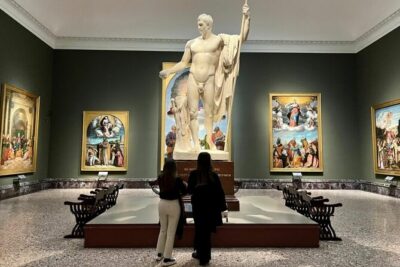
Milan Walking Tours, compared.
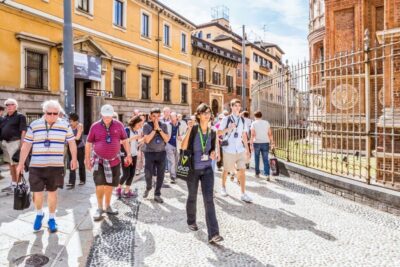 ★ 4.7Guided Walking Tour & Last Supper Visit with TicketFrom $1015,409 reviews
 ★ 4.7Guided Walking Tour with Last Supper Skip-the-LineFrom $1061,143 reviews
 ★ 4.8Guided Street Food Walking Tour with Food TastingFrom $58654 reviews
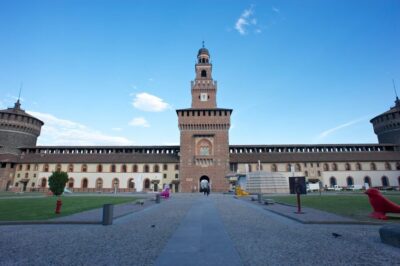 ★ 4.7Guided Walking Tour with Duomo and the Last SupperFrom $152615 reviews
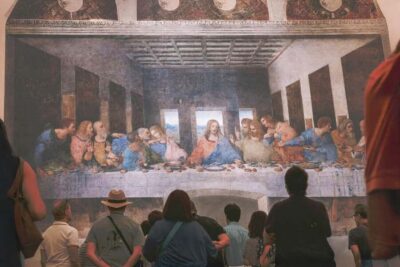 ★ 4.5Guided Duomo, Last Supper and City Centre TourFrom $105452 reviews
 ★ 4.7Best of City Walking Tour with Last Supper TicketsFrom $112359 reviews
 ★ 5.0Milan Highlights and Hidden Gems Private Guided Walking TourFrom $246302 reviews
 ★ 4.4Milan by Night 2-Hour Walking TourFrom $52286 reviews
Browse the lists this tour appears in