
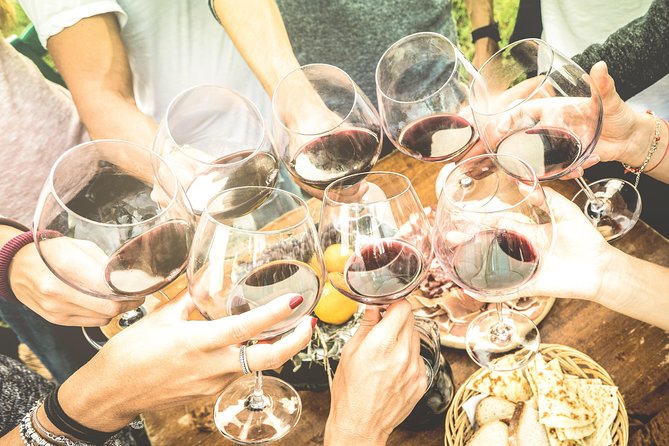
Reviewed · NAVIGLI & APERITIVO TOURS
The art of the Italian Aperitivo with a local: Learn & Enjoy in Milan
Aperitivo in Milan is a mini celebration. In this Cesarine experience, you learn how a local hosts a classic pre-dinner ritual in a real home, not a demo kitchen, and you build a spread of five appetizers with Lombardy ingredients. You also get context for why Milan’s food mood feels a bit different from other parts of Italy.
I love that the lesson is practical and social: you’re not just watching, you’re helping put together an aperitivo that looks good and tastes right. And if you get a host like Debora, expect clear explanations and a friendly atmosphere that makes the whole thing feel easy to join. One drawback to keep in mind: day-of meeting-location details can get confusing sometimes, so confirm where you should be going before you head out.
In This Review
- Key highlights worth showing up for
- What Milan Aperitivo Really Means (and Why This Class Is a Good Fit)
- Meet Your Cesarine Host: A Real-Home Welcome, Not a Performance
- The Heart of It All: Making a Five-Item Aperitivo Spread
- Presentation Tips You’ll Actually Use at Home
- Milanese Food Context: What’s Different About Lombardy
- Pairing Aperitivo Drinks With the Right Snacks
- Timing and Format: A 2-Hour Evening That Doesn’t Eat Your Whole Night
- Value Check: Is $122.17 per Person Worth It?
- When This Experience Is a Great Choice (and When It Might Not Be)
- What to Expect During Your Night With Food, Drink, and Milanese Stories
- Should You Book This Milan Aperitivo Class?
- FAQ
- How long is the Milan aperitivo experience?
- What time does the experience start in Milan?
- What happens during the class in the Cesarine host’s home?
- Is this a private experience?
- What kind of food and drinks are included?
- Can I cancel for a refund?
Key highlights worth showing up for
- A Cesarine home setting: Certified home cooks share a real evening routine with you.
- Five Lombardy nibbles you actually assemble: The food isn’t vague or generic.
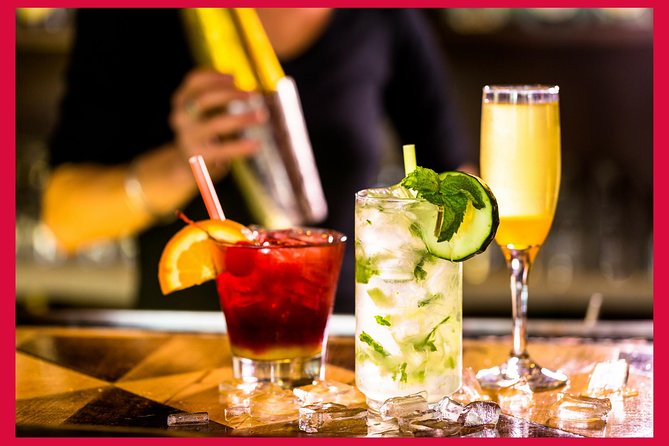
- Aperitivo drink pairing with local wines: The host focuses on wines from the territory.
- Milanese food context while you snack: You hear how Lombardy differs from other regions.
- Recipes you can recreate at home: One big win is getting ideas that translate to your kitchen.
A local to yourself, a few more picks
- Da Vinci’s Last Supper Express Semi-Private Guided Tour★ 4.8 · 427 reviews
- La Scala Theatre and Museum Tour in Milan With Private Guide★ 3.5 · 384 reviews
- Milan: Sunset Navigli Food and Drinks Tour with a Local★ 4.8 · 359 reviews
What Milan Aperitivo Really Means (and Why This Class Is a Good Fit)
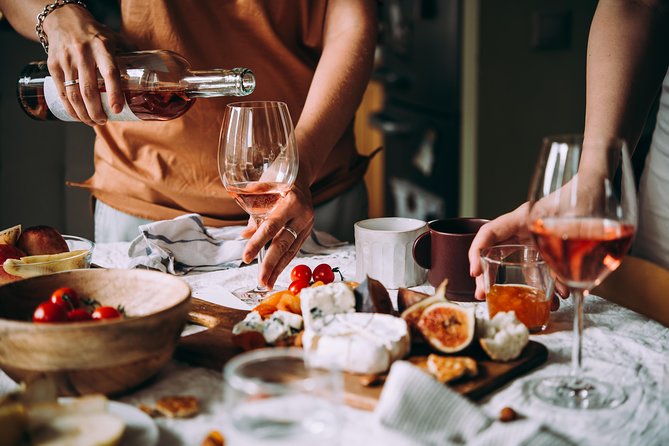
Aperitivo isn’t just a drink with a snack. It’s the early-evening social rhythm in Italy, where people slow down, talk, and build appetite before dinner. In Milan, that moment has its own feel: less rush, more hang-time, and a strong emphasis on local ingredients that taste like they belong to the area.
What makes this experience especially useful is that you learn the logic behind the spread. You’re taught how to create an aperitivo that fits the drink you’re having, then you turn that into a table of five nibbles. That’s a big step up from tastings where you only sample and leave. Here, you practice the setup so you can repeat it later without guessing.
This is also a smart choice if you’re a food lover who likes understanding regional differences. You’ll hear about Lombardy and how Milanese food traditions differ from other parts of Italy, while you’re actively making the sort of bites locals enjoy in the early evening.
Meet Your Cesarine Host: A Real-Home Welcome, Not a Performance
Cesarine is Italy’s national network of certified home cooks. The idea is simple: you don’t meet a professional chef behind a counter; you meet a cook who actually lives the food culture. That changes the tone right away. You’re walking into a home and joining an evening, which is why the experience works even if you’re not a serious “cooking class” person.
This is also a private format, meaning it’s just your group. That matters in practice. It tends to make Q&A easier, and you get more attention while you’re chopping, assembling, and tasting. In a typical group setting, there’s always someone waiting for the guide to notice them. Here, that pressure is usually lower.
The best part is that you’re not only learning dishes. You’re learning hospitality. A good aperitivo host pays attention to the pacing—when snacks appear, how you keep the mood relaxed, and how the food supports the drink without overpowering it.
The Heart of It All: Making a Five-Item Aperitivo Spread
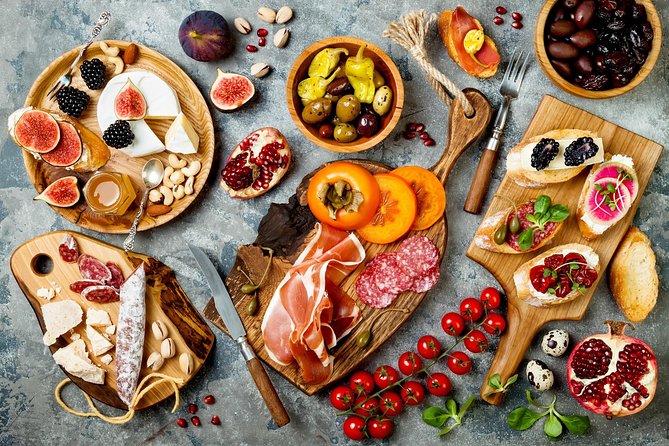
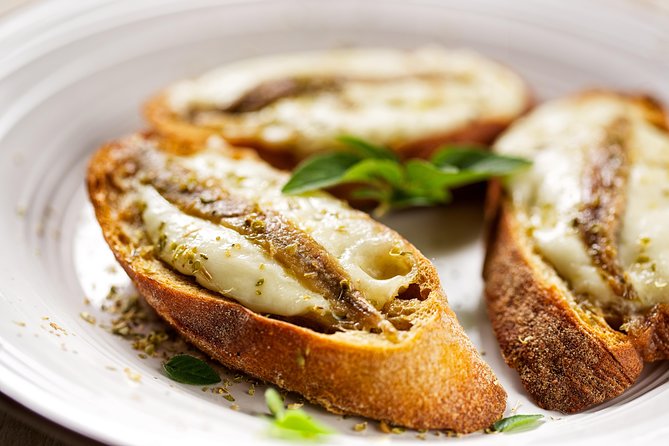
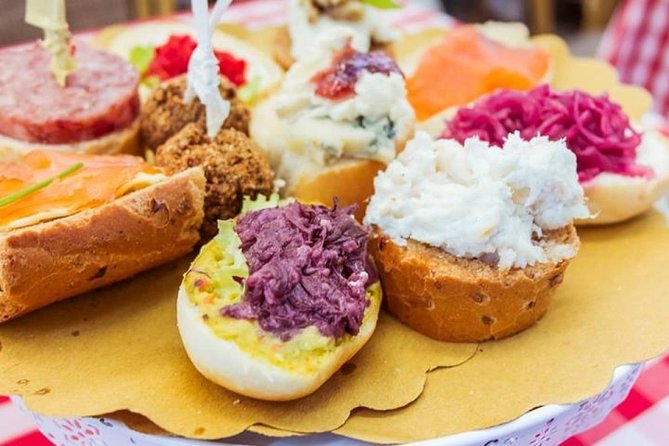
The center of the evening is the food work: preparing an authentic selection of five nibbles using traditional local ingredients. Think of it like building a small, themed menu that makes sense as a group—something you’d happily set out for friends before dinner.
You’ll see a mix of familiar Italian flavors and Milan/Lombardy specifics. For example, you might handle ideas like:
- bruschetta drizzled with fragrant olive oil
- freshly grilled market vegetables
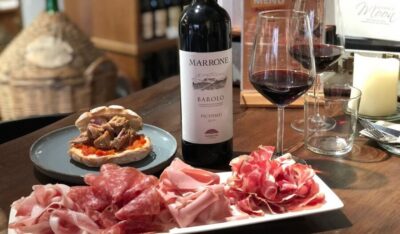
- a selection of charcuterie and cheeses
Even if you don’t cook at home often, this setup is teachable. Five items is enough variety to feel special, but not so many that it turns into chaos. And because the ingredients are local, you’re learning a “what to look for” mindset too. Later, when you’re shopping, you’ll know the type of cheese or cured meat that fits the style, and you’ll understand why olive oil and grilled vegetables show up so naturally.
Along the Navigli with a glass in hand
- Milan: Navigli Canal Boat Cruise
★ 3.3 · 4,502 reviews - Milan: Navigli District Canal Boat Tour with Aperitivo
★ 3.6 · 3,253 reviews - Milan: Sunset Navigli Food & Drinks Tour by Do Eat Better
★ 4.5 · 517 reviews - Milan: Navigli Food & Drinks Tour with Eating Europe
★ 5.0 · 394 reviews - Milan: Sunset Navigli Food and Drinks Tour with a Local
★ 4.8 · 359 reviews
Presentation Tips You’ll Actually Use at Home
Aperitivo boards can look like a messy snack pile—or they can look intentional. This experience trains you to make it appealing. That’s not just about aesthetics. When the snacks are easy to grab and the table looks organized, people stay longer and the conversation flows.
Here’s the kind of guidance you’ll likely feel during the session:
- choose a mix of textures (something crunchy, something soft, something grilled)
- balance salty bites with fresher notes
- place the most crowd-friendly items where people can reach them first
This is also where pairing starts to click. The goal isn’t to match every bite perfectly like a wine textbook. It’s to create an enjoyable rhythm: you take a sip, grab a bite, then repeat—without feeling stuffed too fast.
Milanese Food Context: What’s Different About Lombardy
You don’t just get recipes; you get understanding. A big part of the evening is hearing about Milanese food and what makes Lombardy’s approach different compared with other regions. That matters because Italian regional cuisines often look similar from far away, then suddenly feel totally different when you taste the local ingredients.
In this case, the clues come through in what you make:
- Lombardy food habits often lean on ingredient quality you can taste fast—olive oil, cured meats, cheese, and seasonal market produce
- the aperitivo style supports the pre-dinner moment, so items are built for snacking rather than full meals
If you’re the type of traveler who likes bringing home more than photos, this context is gold. It turns your next grocery run into a mini research trip. Suddenly you know why certain foods show up for aperitivo in Milan—because they fit the local rhythm and the local pantry.
Pairing Aperitivo Drinks With the Right Snacks
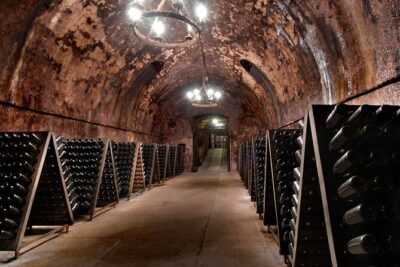
Food is only half the aperitivo equation. Drinks are the other half, and in this experience, the host offers a selection of wines from regional cellars and typical drinks. The key detail: the hosts focus on wines of the territory.
That’s practical. It keeps the flavor choices grounded in the same regional world as the snacks. You’re not doing random pairings; you’re learning the idea that local wine often works naturally with local ingredients.
In your own kitchen later, you don’t need to match the exact same bottle every time. But you can copy the pattern:
- choose a wine style that won’t bully salty charcuterie
- serve snacks that don’t need utensils or complicated plating
- keep the menu light enough for an early-evening pace
Also, since this runs in the early evening (starting at 6:00 pm), the vibe stays in aperitivo mode: relaxed and social, not “too formal” and not “too late for appetites.”
Timing and Format: A 2-Hour Evening That Doesn’t Eat Your Whole Night
This experience runs about 2 hours. That’s a sweet spot. Long enough to learn how to build the spread and taste properly, but not so long that your evening plans get crushed.
The start time at 6:00 pm is also smart for scheduling. It lines you up with the normal aperitivo hour, so you’re not forcing yourself into an odd time slot. And since it ends back at the meeting point, you’re not stuck planning how to get home after food and drinks.
Transport-wise, the meeting area is near public transportation. That matters because you don’t want to waste time wrestling with taxis before you even start snacking.
One more practical note: your group is private. That tends to make the pace feel calmer, and it gives you space to ask questions while you’re working.
Value Check: Is $122.17 per Person Worth It?
At $122.17 per person for roughly two hours, you’re paying for three things at once:
1) access to a certified home cook (Cesarine network)
2) active instruction to build five nibbles, using local ingredients
3) regional drink pairing with wines from the territory and typical aperitivo options
If you compare this to a restaurant meal plus a basic food tour, the value often improves because you’re not only eating—you’re learning the mechanics and the “why.” One of the strongest benefits from the way people talk about this experience is that the recipes and approach feel easy to recreate. That’s the real payoff: you take ideas home and can host your own aperitivo night later.
If you’re the kind of traveler who wants to see Milan from street level, this also avoids the trap of doing only “view” experiences. You’re getting culture through food habits—how locals actually start the evening.
When This Experience Is a Great Choice (and When It Might Not Be)
You’ll love this if you:
- care about Italian regional food, not just general Italy
- like hands-on cooking lessons more than museum-style info sessions
- want a social evening that feels local and relaxed
- want recipes and pairing ideas you can reuse at home
You might hesitate if:
- you hate any chance of day-of confusion around where to meet (private home experiences rely on correct directions)
- you’re short on time and only want a quick bite (this is a full aperitivo-style evening segment)
If you do go, show up with a flexible mindset. A home setting is warm and informal. That’s the point.
What to Expect During Your Night With Food, Drink, and Milanese Stories
Here’s how the evening usually feels, in plain terms:
- you arrive for the pre-dinner hour
- you meet your host and get oriented
- you work on the five-item spread, item by item
- you taste along the way and get tips tied to what you’re making
- you hear about Milanese/Lombardy food differences while you snack
- you enjoy the aperitivo rhythm with regional wines and typical drinks
In short: it’s learning by doing. The “lesson” isn’t separate from the fun—it’s built into it.
Also, because the mood is home-based, small hiccups can happen. There’s at least one example where meeting-location details got shuffled, and the host still handled it by preparing appetizers on the fly. That’s a good reminder: if your directions look odd, don’t panic. Follow your confirmation details and contact the host if needed.
Should You Book This Milan Aperitivo Class?
Yes, if you want an evening that feels like Milan’s pre-dinner culture, not a tourist snack stop. This is one of those experiences where you leave with both food memories and usable know-how—how to build a five-item spread, what Lombardy tastes like in aperitivo form, and how to pair snacks with local drinks.
Book it especially if you’re traveling with a partner or small group and you prefer authentic, home-based culture. The private format and practical instruction are a strong combo.
Skip it if you want a fast, impersonal walkthrough or if your schedule is so tight that you can’t handle the normal “home experience” variation that comes with meeting in a residential area.
FAQ
How long is the Milan aperitivo experience?
It lasts about 2 hours.
What time does the experience start in Milan?
The start time is 6:00 pm.
What happens during the class in the Cesarine host’s home?
You’ll prepare an authentic selection of five appetizers with local ingredients, learn about Milanese and Lombardy food, and enjoy aperitivo-style drinks with the group.
Is this a private experience?
Yes. It’s private, so only your group participates.
What kind of food and drinks are included?
You’ll make and enjoy five nibbles, and you’ll be offered wines from regional cellars along with typical aperitivo drinks, focused on wines of the territory.
Can I cancel for a refund?
Yes. You can cancel for a full refund up to 24 hours before the experience’s start time.
More Tour Reviews in Milan






More Navigli Nights and Aperitivo






More Private Milan Tours




Fresh in our Milan notebook




Navigli & Aperitivo Tours, compared.
 ★ 3.3Navigli Canal Boat CruiseFrom $254,502 reviews
 ★ 3.6Navigli District Canal Boat Tour with AperitivoFrom $413,253 reviews
 ★ 4.5Sunset Navigli Food & Drinks Tour by Do Eat BetterFrom $96517 reviews
 ★ 5.0Navigli Food & Drinks Tour with Eating EuropeFrom $125394 reviews
 ★ 4.8Sunset Navigli Food and Drinks Tour with a LocalFrom $104359 reviews
 ★ 3.0Sunset Navigli Boat Tour in Milan with Optional AperitivoFrom $22219 reviews
 ★ 4.4Milan Wine Tasting AperitivoFrom $7431 reviews
 ★ 5.0Rockin kitchen : Fresh Pasta lesson with Music Aperitif DinnerFrom $13128 reviews
Browse the lists this tour appears in