Reviewed · MILAN
Chocolate Experience at La Fabbrica del Cioccolato in Milan
Chocolate and science right next to Duomo.
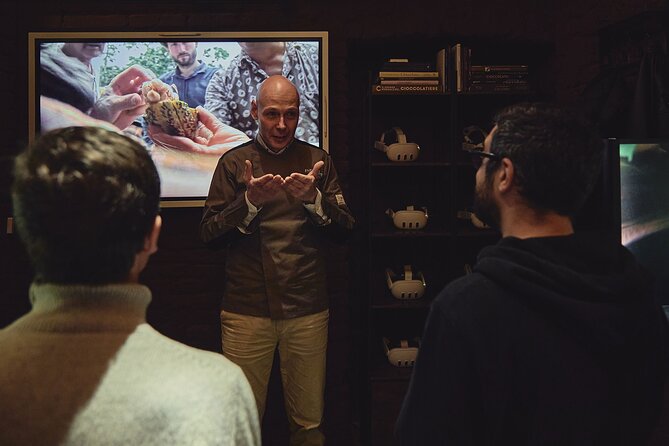
I love the bean-to-bar focus and the way La Fabbrica del Cioccolato walks you through real processing steps, not just candy sales. The experience kicks off with a VR 360 room that sets you up for what cocoa does before you ever get a bite, all in the heart of Milan a few minutes from Piazza del Duomo.
Two things I really like: you see the journey from cacao into finished chocolate, and you finish with a guided tasting of grand cru bars (typically 3 to 5, depending on your ticket). The group stays small—up to 8 people—so the explanations feel personal instead of rushed.
One possible drawback: at about 60 minutes, it moves at a brisk pace. If you want long, slow wandering and lots of time to linger with details, this may feel a little quick.
In This Review
- Key things to know before you go
- La Fabbrica del Cioccolato: bean-to-bar in Milan, minutes from Duomo
- The 60-minute route: VR cacao to the final bars
- VR 360 sensory room: Peruvian cacao, harvesting to drying
- Roasting room: where the bean starts smelling like chocolate
- Chocoteca (resting room): climate-controlled maturity with spices and infusions
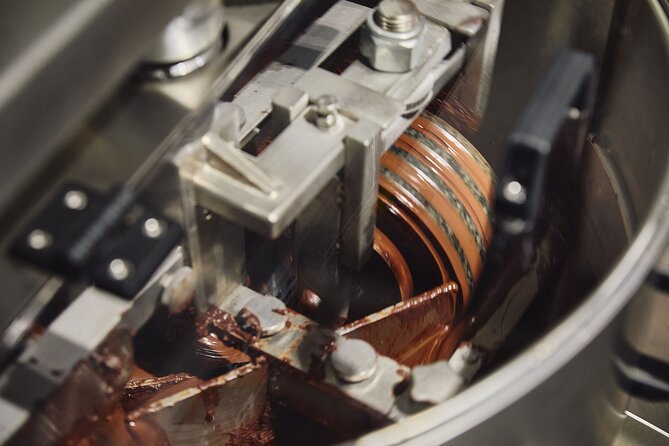
- Laboratory area: shell separation and slow stone grinding
- Guided tasting of 3–5 grand cru bars (plus mono-origin snacks)
- What I’d watch for during your tasting
- Group size, timing, and English tour slots
- Is $36.01 worth it? The value angle in plain terms
- Who should book this chocolate experience—and who might skip it
- Booking tips for your best session
- Should you book La Fabbrica del Cioccolato in Milan?
- FAQ
- How long is the chocolate experience at La Fabbrica del Cioccolato?
- What language are the tours offered in?
- Where do I meet for the tour?
- What’s included in the ticket price?
- How many people are in each tour group?
- What time does the English tour run?
- Do I need to print a ticket?
- Can I cancel for a refund?
Key things to know before you go
- VR 360 cacao story first, so the rest of the factory makes sense fast
- Roasting, chocoteca resting, and lab grinding are shown as a step-by-step chain
- Climate-controlled “chocoteca” explains why time matters for flavor and aroma
- Slow grinding process is part of the transformation you can watch in the lab area
- Small group size (max 8) keeps the pace focused and the guide’s attention on you
- Guided tasting of 3–5 grand cru chocolates, plus mono-origin chocolate snacks
A few more we would happily send a friend to in Milan
- Milan: Enrico Rizzi Chocolate Factory Tour with Tasting★ 4.4 · 38 reviews
- From Milan: Lugano, Bellinzona and Chocolate Factory Trip★ 3.3 · 9 reviews
- Milan: Hands-On Pasta & Dessert Cooking Class & Wine Pairing★ 5.0 · 3 reviews
La Fabbrica del Cioccolato: bean-to-bar in Milan, minutes from Duomo
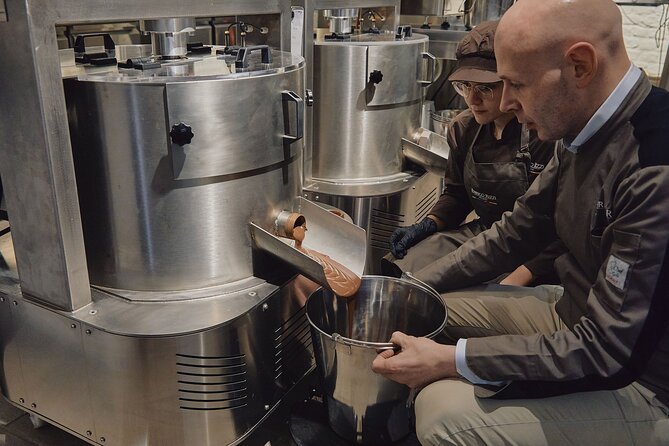
This is not your average chocolate stop. La Fabbrica del Cioccolato di Enrico Rizzi is set up like a workshop you can understand—roasting, resting, and grinding—then it rewards you with tasting that matches what you just learned.
If you’re planning time around the Duomo area, this location is handy. You meet right at Via Gian Giacomo Mora, 18, and the tour ends back at the same spot. That makes it easy to slip into a day of museums and churches without building a whole new transit plan.
The feel is friendly and professional. Guides talk you through the process in plain language, and the small size (up to 8) matters. In a group that small, you can actually follow what’s happening rather than playing chocolate detective from the back row.
The 60-minute route: VR cacao to the final bars
The tour runs about one hour. The flow is logical: you start with cocoa origins, move into how beans change, then finish with tasting.
A big part of the value here is that each stop supports the next one. The VR room sets the stage. Roasting shows heat and transformation. The chocoteca adds time and controlled conditions. The lab ties it together with shell separation and slow stone grinding. Then you taste—so you’re not just looking at chocolate. You’re tasting with context.
Also, the pace is built for short attention spans. This isn’t a marathon lecture. You get a clear path, and you leave with a better sense of why certain bars taste the way they do.
VR 360 sensory room: Peruvian cacao, harvesting to drying
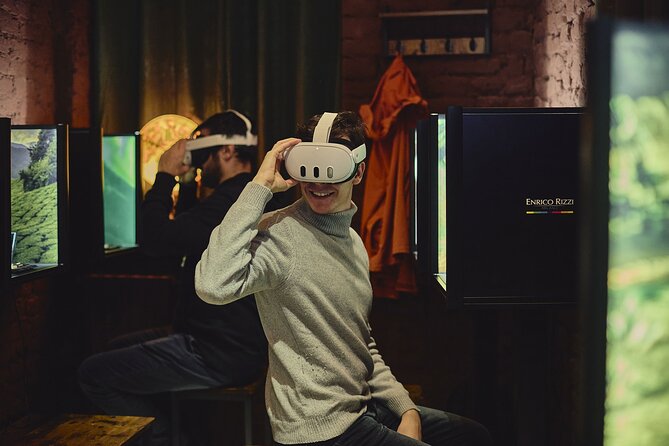
The experience begins in a sensory room with Virtual Reality 360 tech. It’s designed to help you picture the raw material story before you ever see roasting and grinding.
You follow a cacao plantation scenario from Peruvian cacao and see stages like harvesting, fermentation, and drying. That matters because those steps influence flavor long before anyone starts making a bar. Fermentation affects acidity and aroma. Drying helps with consistency and prevents off-notes.
This opening also does something practical: it gives you vocabulary. Once you’ve seen what happens to cacao, you can connect the later factory steps to real changes in the bean. Without that, a roasting room can sound like smoke and machines. With it, you start noticing why the process is structured.
- Milan: Cathedral and Duomo’s Terraces Entrance Ticket
★ 4.6 · 61,054 reviews - From Milan: Como Private Boat, Bellagio and Lugano Day Trip
★ 4.8 · 6,271 reviews - Milan: City Sightseeing Hop-On Hop-Off Bus with Audio Guide
★ 4.0 · 6,256 reviews - Milan: Milan Cathedral Direct Entrance – Terrace Excluded
★ 4.5 · 5,782 reviews - Milan: Guided Walking Tour & Last Supper Visit with Ticket
★ 4.7 · 5,409 reviews
Roasting room: where the bean starts smelling like chocolate
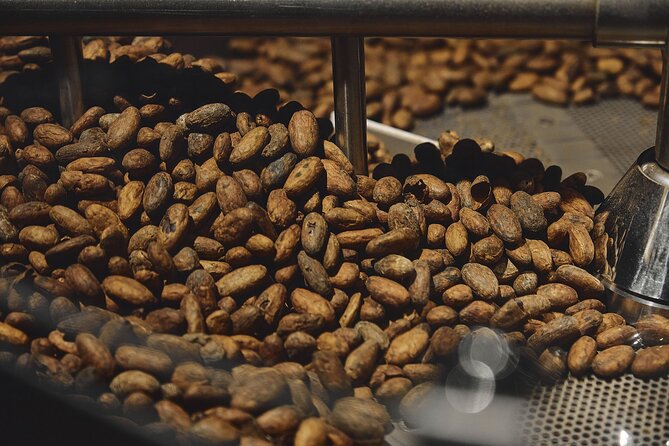
Next comes the roasting room. This is the step many people think of as the start of chocolate. But the tour frames roasting as one link in a chain, not magic.
Roasting is where heat wakes up aroma compounds and pushes the bean toward the flavor profile you’ll taste later. It’s also a “sensory” moment. Even if you’re not a technical person, you’ll likely recognize that classic cocoa smell when roasting kicks in.
The guide’s job here is to help you understand what roasting does relative to everything else you’ll see next. You’re learning to read the process, not just watch it.
Chocoteca (resting room): climate-controlled maturity with spices and infusions
After roasting, you move into the chocoteca, a climate-controlled room where chocolate rests and matures. This part is quietly important.
Time and temperature shape how flavors settle, blend, and mellow. It’s also where you start hearing about flavor additions and pairings—spices, teas, and infusions. That explains why some bars taste like classic chocolate while others lean more aromatic and layered.
The key takeaway I’d carry with you: chocolate isn’t only about ingredients. It’s also about handling and conditions. A resting step can change texture and aroma integration, even if the ingredient list looks similar at first glance.
If you love food details (and most people who book a chocolate factory tour do), this is one of the most satisfying stops because it makes the process feel more intentional.
Laboratory area: shell separation and slow stone grinding
In the laboratory area, you watch more of the transformation: separating shells and moving into the grinding stage.
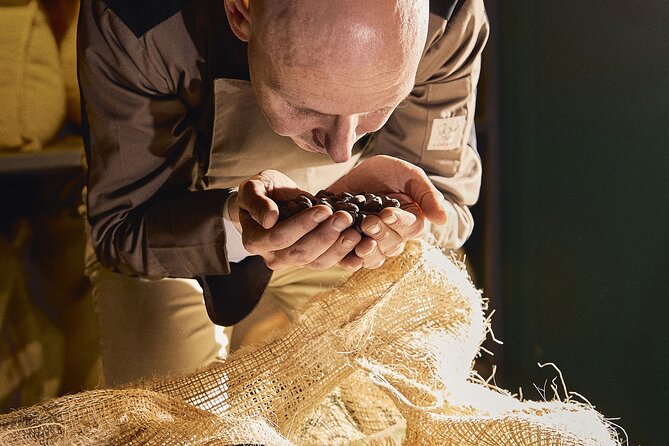
This is where the tour turns from “story” to “mechanics.” Shell separation is part of getting the right chocolate mass. Then the process continues with slow stone grinding, which is often tied to achieving the texture and smoothness people expect from quality chocolate.
Stone grinding is also a useful concept for taste. The longer, slower approach can help create a more stable, finely developed texture. That affects mouthfeel and how flavors come through on your tongue.
Don’t expect a technical textbook. Instead, expect an explanation that connects the process to what you’ll taste at the end. If you pay attention here, the tasting becomes more meaningful.
Guided tasting of 3–5 grand cru bars (plus mono-origin snacks)
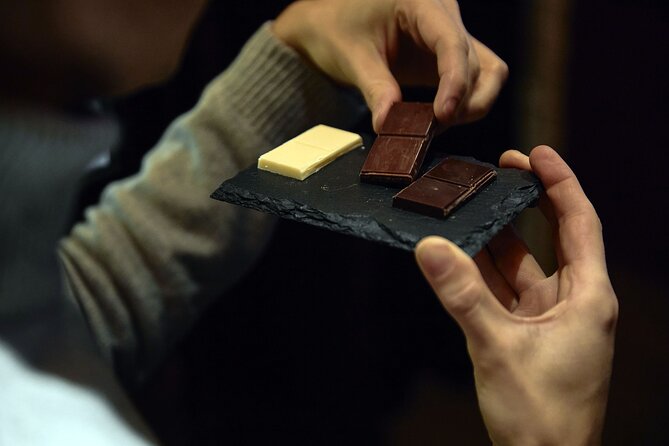
The tour ends with a guided tasting of three to five grand cru chocolates. The exact selection depends on the ticket you choose.
This is where the factory tour pays off. You get to compare chocolate that comes from different cacao origins or different processing approaches. The guided part matters because you’re tasting with a framework: aroma first, then flavor, then finish.
You also get snacks from a mono-origin chocolate tasting included in the experience. Mono-origin chocolate is valuable because it helps you focus on cacao character rather than blending everything into one “generic” flavor. It’s a great way to understand what origin and processing can do.
A note from what people experience in the tasting: some sessions include pairings like a glass of sherry alongside bars (depending on what’s on the menu for that session). If that’s offered during your time slot, it’s a smart pairing. It can make certain notes pop and change how you perceive sweetness and aroma.
What I’d watch for during your tasting
Keep it simple:
- Smell the bar before the first bite.
- Note how the flavor develops—does it start fruity, nutty, roasty, spicy?
- Think about what you saw: roasting, resting in the chocoteca, and slow grinding.
If you do that, the tasting becomes a mini lesson you can actually remember.
Group size, timing, and English tour slots
The tour operates with a maximum of 8 people per visit, which keeps things clear. You won’t feel like you’re being marched through a factory maze.
English tours run:
- Monday, Wednesday, Thursday, Friday at 4:00 PM
- Saturday at 12:00 PM
Duration is about 60 minutes (so plan your schedule like a focused appointment, not a slow afternoon activity).
There’s a mobile ticket, and confirmation happens at booking time. You’ll meet at the factory address and return there at the end.
Is $36.01 worth it? The value angle in plain terms
At $36.01 per person for about an hour, the pricing makes sense if you’re looking for more than a tasting counter.
Here’s why:
- You’re paying for a structured, step-by-step visit (VR cacao story, roasting, chocoteca resting, lab grinding).
- You get a guided tasting of 3–5 grand cru bars, which is often the part people want most.
- The included mono-origin chocolate tasting snacks add extra value beyond a single tasting moment.
If all you want is a quick chocolate sample, you can find cheaper places around Milan. But if you want a reason behind what you’re tasting—this one-hour format gives you that without taking over your entire day.
Who should book this chocolate experience—and who might skip it
This is a strong match if:
- You like learning how food is made (and you don’t need a long lecture).
- You want a high-quality, guided tasting tied to real processing steps.
- You’re shopping for a memorable Milan gift. Chocolate factory + guided tasting feels special without being complicated.
It might be less ideal if:
- You’re expecting a long, hands-on workshop where you make your own bars (the tour you’ve got here is a guided factory visit plus tasting).
- You hate short schedules. This runs about an hour and keeps moving.
Still, for most people, the compact format is a plus. It’s easy to fit into a busy day near Duomo.
Booking tips for your best session
Pick your slot with your day flow in mind. English tours are limited to specific days and times, so check the calendar early—especially if you’re traveling on a tight itinerary.
Planning-wise, the experience is commonly booked around 22 days in advance on average, so locking in your time sooner rather than later can save stress.
Since the activity ends where it starts, aim to schedule it near your next stop. You won’t need a long commute afterward—just walk back out and keep your Milan day moving.
Also, if you’re traveling with a service animal, note that service animals are allowed. If you have any other needs, check ahead when you book.
Should you book La Fabbrica del Cioccolato in Milan?
Yes—if you want a guided, education-forward chocolate experience that finishes with real tasting. This tour does a good job connecting the steps you see (roasting, resting, grinding) to the bars you taste at the end.
The biggest reason to book is the combination of small group size, a bean-to-bar process walkthrough, and a grand cru tasting that stays focused rather than scattered. You’ll leave with a stronger sense of how cocoa becomes chocolate—and which flavors come from which steps.
If you’re just chasing a quick sugar fix, you might not need this. But if you love chocolate and want it explained in a way that actually sticks, this one-hour visit is excellent value.
FAQ
How long is the chocolate experience at La Fabbrica del Cioccolato?
It’s approximately 1 hour.
What language are the tours offered in?
The tour is offered in English.
Where do I meet for the tour?
You’ll meet at La Fabbrica del Cioccolato – Enrico Rizzi Milano, Via Gian Giacomo Mora, 18, 20123 Milano MI, Italy. The tour ends back at the same meeting point.
What’s included in the ticket price?
The experience includes snacks for a mono-origin chocolate tasting and a guided tasting of grand cru chocolates (3 to 5, depending on your ticket).
How many people are in each tour group?
Tours have a maximum of 8 travelers.
What time does the English tour run?
English tours are on Monday, Wednesday, Thursday, and Friday at 4 PM, and on Saturday at 12 PM.
Do I need to print a ticket?
No. You’ll use a mobile ticket.
Can I cancel for a refund?
Yes, you can cancel for free up to 24 hours in advance for a full refund.