
Reviewed · MILAN COOKING CLASSES
Choose three recipes to cook from all the traditional cuisine
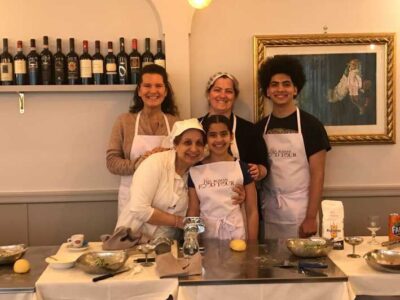
Your hands do the real work here. In Milan, I like that you meet Chef Aurora or Chef Lucrezia in a home kitchen, then choose three dishes you actually want to cook. The small-group setup keeps it personal, with step-by-step help as you chop, fry, boil, and roll pasta.
I also love the range: you can go from zucchini flowers and eggplant parmigiana to Roman-style lamb, Venetian cod, Milanese saffron risotto, and classic desserts like tiramisu or cannoli. The English recipe cards are included, so you’re not stuck with memories only. One thing to consider: the hands-on level can vary a bit depending on the dish (some people expected more dough instruction), and kitchens can get noisy or intense if timing goes sideways.
In This Review
- Key things that make this class worth your time
- Cooking in a Milan home kitchen (not a demo room)
- Picking your three recipes: how to choose well
- Pasta choices you may see
- Vegetable-forward dishes that feel very Italian
- Meat, fish, and regional specialties
- Desserts you can plan around
- The class timeline: about 2 hours of real cooking, then you eat
- What the 3-course meal feels like after you cook it
- A dish-by-dish guide to what you can actually cook
- Starter: bruschetta and the art of fast flavor
- Fresh pasta mains: tagliatelle, ravioli, and gnocchi
- Vegetable mains: parmigiana eggplants and zucchini flowers
- Meat or fish mains: lamb Roman-style or Venetian cod
- Pizza and panzerotti: knead, top, or fold
- Lasagna: meat lasagna or vegetarian lasagna
- Risotto with saffron: the Milanese signature
- Desserts: tiramisu, panna cotta, cannoli, and caprese cake
- Wine, welcome Prosecco, and the limoncello finish
- Price and value: is $145.18 fair for Milan?
- What to watch for: hands-on expectations and kitchen realities
- Logistics that matter more than you think
- Who should book this cooking class?
- Should you book it?
- FAQ
- How long is the cooking class?
- Can I choose the recipes, and how many?
- Is vegetarian or gluten-free cooking available?
- What meal do I get during the experience?
- Is wine included?
- Is hotel pickup included?
Key things that make this class worth your time
- Choose your own 3-recipe menu from across Italian culinary traditions, with vegetarian and gluten-free options
- Hands-on cooking for your own portion during the class (nothing is pre-cooked for you)
- Home-kitchen feel with a small group (maximum 10 travelers) and lots of individual attention
- A real 3-course meal afterward that you built yourself, paired with wine
- English instructions and recipe cards so you can cook again at home
- Chefs you may meet include Aurora, Lucrezia, and Elena, with strong teaching and patience in many sessions
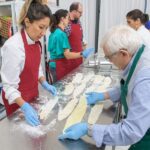
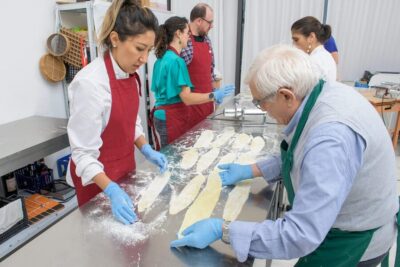
Hands in the flour, in a Milanese kitchen
- The Secrets to Learn Fresh Pasta and Tiramisù in a Glam Home★ 5.0 · 1,182 reviews
- Milan: Pasta and Tiramisu Cooking Class with Wine★ 4.8 · 1,106 reviews
- Gnocchi, Pasta, Tiramisù and Wine Class★ 5.0 · 691 reviews
Cooking in a Milan home kitchen (not a demo room)
This experience takes place in a real home-kitchen setting in Milan, not a polished cooking studio. You start at Via Mantova 19, and because there’s no hotel pickup, you’ll want to plan your own arrival. The good news: it’s near public transport, so you can keep your day moving without fuss.
Once you’re inside, the vibe is simple and practical. You’re there to cook. That matters, because cooking classes in touristy rooms can feel like watching. Here, you’re expected to make and portion the food yourself, guided by the chef.
If you’re the kind of traveler who wants more than just pizza and pasta photos, this is a strong match. The menu choices include vegetable-centric Italian classics (hello zucchini flowers) and regional meat and fish dishes that you don’t always see on standard Milan restaurant menus.
Picking your three recipes: how to choose well
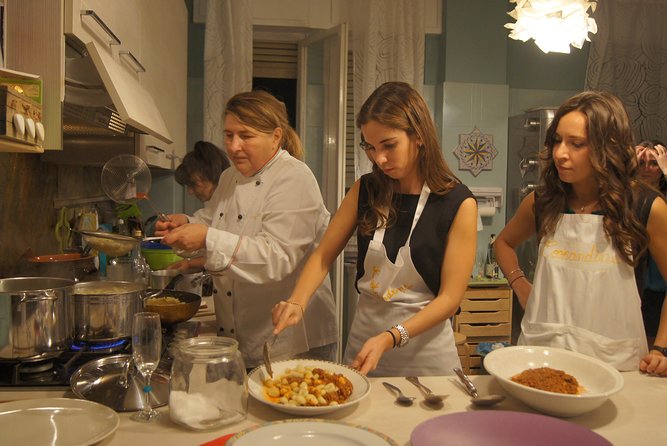
Here’s the clever setup: before your class, Chef Aurora or Chef Lucrezia contacts you with a list of recipe options from all over Italian cuisine. You then choose three dishes to prepare. If you book early for a specific date, you’re more likely to be among the first people picking, which can help you lock in the exact menu you want.
So how should you choose? I’d use this short filter:
- Pick one pasta option (fresh egg pasta is a big part of the experience)
- Pick one vegetable-forward dish (it’s where the class gets most surprising)
- Pick one meat or fish dish or another comfort classic like pizza/panzerotti or lasagna
If you’re vegetarian or gluten-free, you’re not stuck with substitutions. The chef will offer vegetarian and gluten-free choices to select from, and the cooking is built around those dishes.
Pasta choices you may see
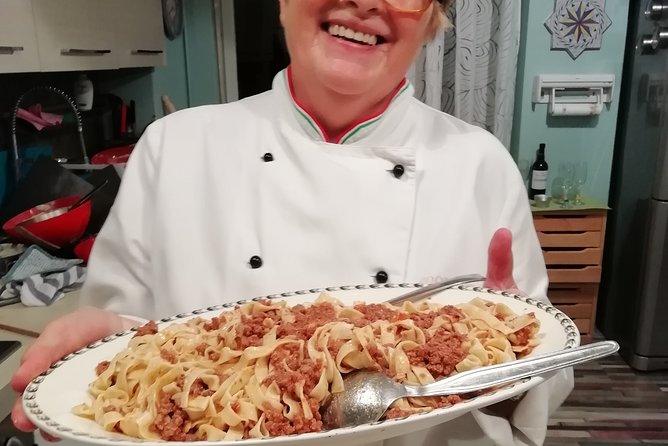
You might choose tagliatelle with bolognese sauce, ravioli (with fillings such as pumpkin or ricotta and spinach), or gnocchi made by hand. The pasta isn’t just an add-on. It’s the core skill focus: cutting, rolling, shaping, and timing so it turns out right.
- Milan: Cathedral and Duomo’s Terraces Entrance Ticket
★ 4.6 · 61,054 reviews - From Milan: Como Private Boat, Bellagio and Lugano Day Trip
★ 4.8 · 6,271 reviews - Milan: City Sightseeing Hop-On Hop-Off Bus with Audio Guide
★ 4.0 · 6,256 reviews - Milan: Milan Cathedral Direct Entrance – Terrace Excluded
★ 4.5 · 5,782 reviews - Milan: Guided Walking Tour & Last Supper Visit with Ticket
★ 4.7 · 5,409 reviews
Vegetable-forward dishes that feel very Italian
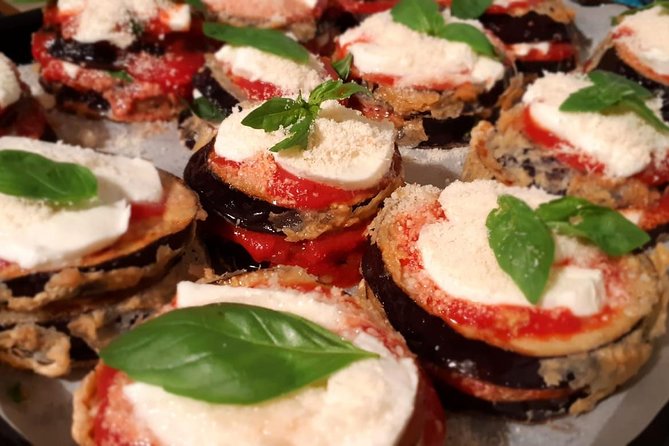
This is a highlight area. Options can include parmigiana eggplants or zucchini flowers. Zucchini flowers can be filled (often with mozzarella), breaded, and fried. Eggplant parmigiana typically involves breading and frying the eggplant slices, then finishing in the oven with mozzarella, basil, and tomato sauce.
This matters because it’s classic Italian technique, but also more fun than a basic salad or side. You’ll learn how to handle delicate ingredients like zucchini flowers without turning them into mush.
Meat, fish, and regional specialties
Depending on your selections, you might cook lamb in Roman style, or codfish from Venice. Roman-style lamb can feature wine, garlic, and anchovy, reflecting a typical Easter approach from Rome. Venetian cod can be cooked with milk and onion, then creamed and spread over polenta.
If you’re into Milan specifically, you may also choose Milanese risotto with saffron, cooked in broth with chicken and beef.
Desserts you can plan around
Desserts included in the menu options are major crowd-pleasers: tiramisu, panna cotta, Sicilian cannoli, and Caprese cake. Caprese cake is described as a baked cake using almonds, egg, and cocoa powder, and it’s framed as gluten-free.
If you’re choosing desserts last, you can still pick based on your mood:
- Tiramisu for coffee and mascarpone comfort
- Panna cotta for creamy simplicity
- Cannoli for the fun factor and texture contrast
- Caprese for nutty, chocolatey crunch
The class timeline: about 2 hours of real cooking, then you eat
Plan on around 3 hours total. The class rhythm is straightforward: you cook for about two hours, then sit down for lunch or dinner built around your creations.
One of the best parts for practical travelers: you’re not just learning “how Italian food is made.” You’re learning how it’s made in real cooking time. The chef teaches basic technique points like how to cut, how to use herbs and spices, how long to cook, and whether to fry or boil for the desired texture.
Also, the experience is framed as zero prep on your side of the cooking. You’ll see ingredients and get to work. That’s why leftovers can happen, and why people leave feeling fed and proud instead of stuffed from someone else’s effort.
What the 3-course meal feels like after you cook it
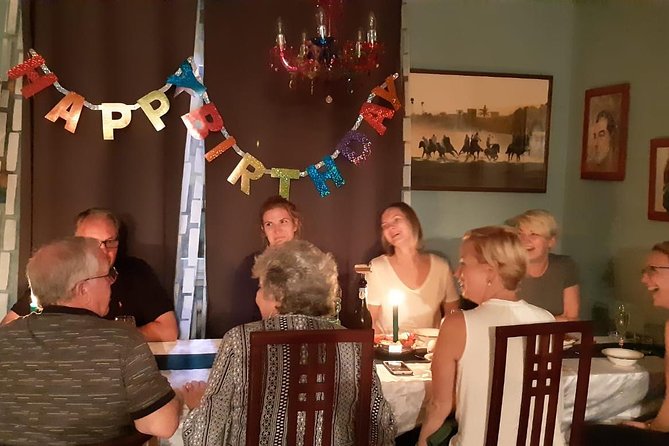
You’ll enjoy a 3-course lunch or 3-course dinner after cooking. The included meal is paired with Italian drinks: you get two glasses of Italian wine per person, plus a welcome Prosecco glass, and limoncello at the end of the meal.
This pairing is more than a perk. It changes how you experience the food. Wine helps you notice seasoning balance and sauces, especially with dishes like bolognese, parmigiana, lamb in Roman style, and creamy cod over polenta. And limoncello at the end is a clean, citrus finish after desserts like panna cotta or cannoli.
You also get a stronger sense of satisfaction when you eat what you just made. It’s not the usual “we’ll teach you and then you’ll taste something anonymous.” It’s your table, your dishes, your result.
A dish-by-dish guide to what you can actually cook
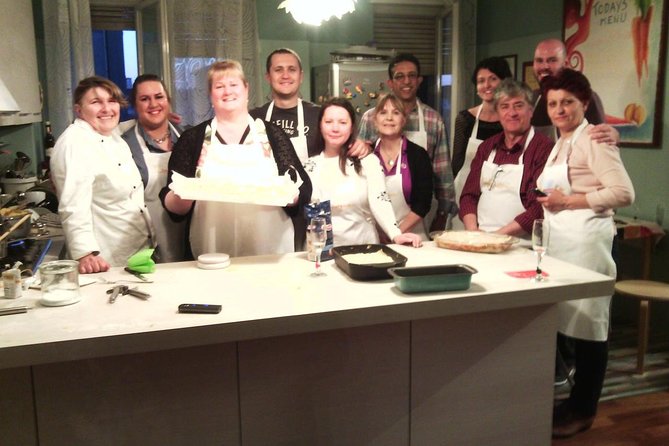
Below are the specific menu ingredients and techniques that shape the class. Even if you don’t pick all of these, they help you understand what skill areas the chef will likely focus on.
Starter: bruschetta and the art of fast flavor
Starter options can include bruschetta: toasted Italian bread topped with tomatoes, garlic, basil, and anchovies. This is a good warm-up because it shows seasoning decisions quickly. You learn how to balance freshness from tomatoes with the salty punch from anchovies and the aromatic lift from basil.
Fresh pasta mains: tagliatelle, ravioli, and gnocchi
If you choose tagliatelle with bolognese, you’ll work with fresh egg pasta and a hearty meat sauce. This is classic comfort, but the class focus is technique: rolling, cutting/portioning, and timing the sauce so it clings properly.
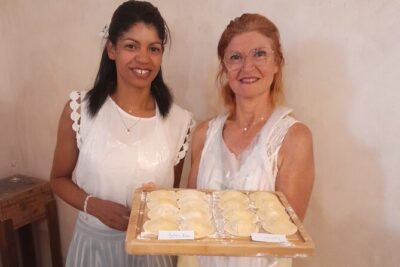
Ravioli options can include pumpkin or ricotta with spinach. This means you’ll handle both dough work and filling logic. The best ravioli are about sealing and texture, and this is where having the chef’s guidance matters.
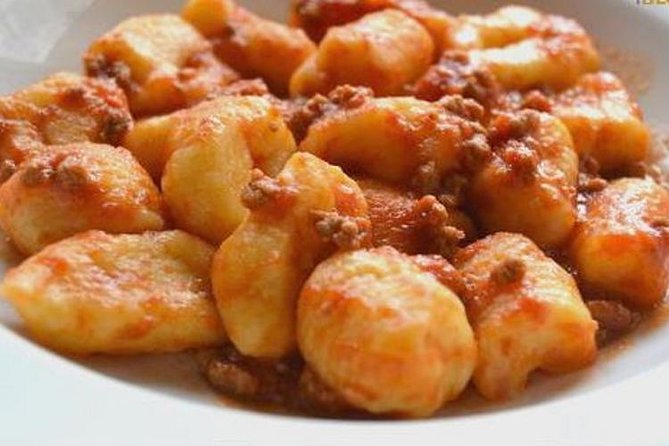
Gnocchi is another big one. Potatoes gnocchi are hand-made in the class options, which is great if you want skills you can replicate at home. The texture lesson here is everything: too firm and it’s heavy, too soft and it collapses.
Vegetable mains: parmigiana eggplants and zucchini flowers
Parmigiana eggplants can be breaded and fried, then cooked again in the oven with mozzarella, basil, and tomato sauce. That double-cooking approach helps you learn when frying is about structure, and when the oven is about melting and cohesion.
Zucchini flowers can be filled with mozzarella and then fried. This is delicate cooking. You’ll likely learn how to handle delicate items, plus how to avoid greasy outcomes by managing heat and timing.
Meat or fish mains: lamb Roman-style or Venetian cod
Roman-style lamb can be cooked with wine, garlic, and anchovy, a flavor combo that shows how Italian cooking uses seafood elements without turning the dish into something fishy. It’s deep, savory, and very sauce-friendly.
Cod fish from Venice can be cooked in milk and onion, then creamed to spread on polenta. That’s a useful lesson if you like sauces that thicken naturally rather than relying on heavy shortcuts.
Pizza and panzerotti: knead, top, or fold
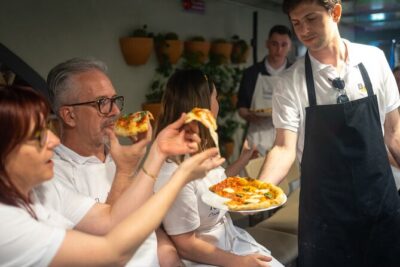
Some sessions can include pizza or panzerotti. Pizza involves kneading and topping with different ingredients. Panzerotti is folded like a pocket, filled with mozzarella and tomatoes, and then fried instead of baked.
This is a fun choice if you want something fast to “feel like Italian street food,” but still learn real technique.
Lasagna: meat lasagna or vegetarian lasagna
You may see meat lasagna or vegetarian lasagna. One vegetarian version described uses white sauce and green beans with pesto. Lasagna is an efficient way to learn layering and sauce consistency, since each layer has a job: moisture, structure, and flavor.
Risotto with saffron: the Milanese signature
Milanese risotto with saffron is described as the Milano recipe: rice cooked in broth (with chicken and beef). This is a great choice if you want a skill that feels “special-occasion” at home.
Desserts: tiramisu, panna cotta, cannoli, and caprese cake
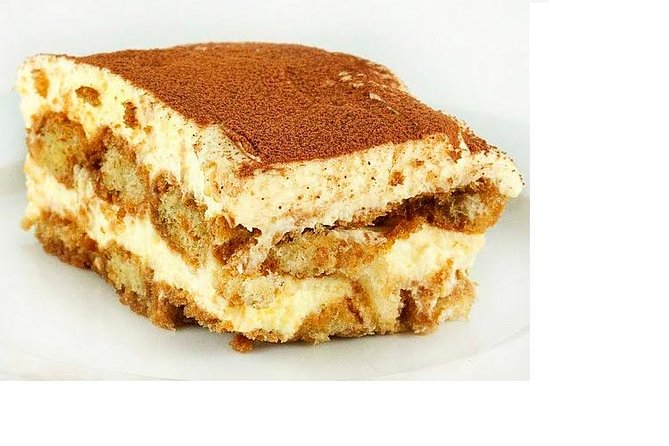
Tiramisu can include mascarpone and coffee. Panna cotta is made with fresh cream and strawberry. Cannoli includes making the tube and filling it with sheep ricotta.
Caprese cake is described as using almonds, egg, and cocoa powder, baked in a Capri style, and noted as gluten-free. If you’re watching gluten intake, this is one of the most straightforward sweet options.
Wine, welcome Prosecco, and the limoncello finish
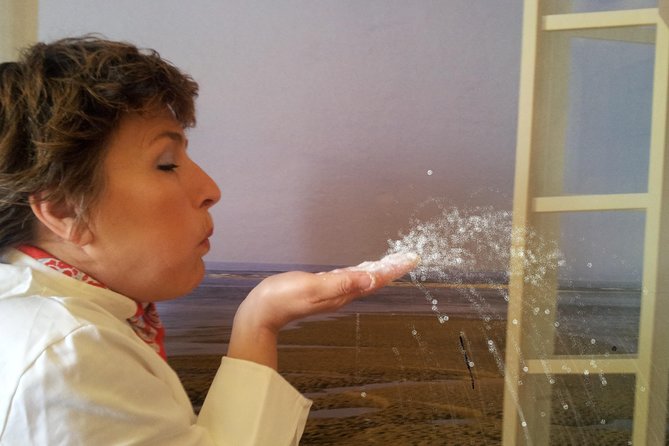
The included drinking plan is easy to understand. You get a welcome Prosecco glass at the start, then two glasses of Italian wine with your meal, and limoncello at the end.
This is also where pacing matters. If you’re sensitive to alcohol, you can still enjoy the food while keeping it to sips. The wine is part of the restaurant-style dining, not part of a party atmosphere.
Price and value: is $145.18 fair for Milan?
At $145.18 per person for roughly 3 hours, this class can be good value because you’re getting more than instruction. You’re paying for:
- A small-group cooking class (up to 10)
- About two hours of hands-on work where you cook from scratch
- A sit-down 3-course lunch or dinner
- Two glasses of Italian wine plus welcome Prosecco and limoncello
- Recipe cards provided in English
If you’ve done cooking classes in other cities, you know the cost often covers instruction only, and then you pay extra for food. Here, your meal is part of the package. That makes it easier to justify, especially if you’d otherwise spend a similar amount on a nice restaurant meal plus a cooking tour.
What to watch for: hands-on expectations and kitchen realities
This is the honest part. Cooking classes depend on timing. If you want every single step of dough-making taught in full depth, you might find some menus put more focus on fillings and toppings rather than the most detailed dough process. One person highlighted that they wished they’d learned more about the dough for a pizza they made.
Also, kitchens can get loud. One experience noted construction noise in the building, so if you’re sensitive to sound, it’s worth keeping that in mind.
Finally, even in friendly kitchens, mistakes happen. If you’re the type who prefers zero stress in group settings, know that a cooking environment can get intense when something goes wrong or timing slips. Most sessions are described as warm and patient, especially with families and mixed-skill groups, but it’s still a working kitchen.
Logistics that matter more than you think
No hotel pickup means you’ll want to arrive on time and find the apartment entrance. The meeting point is Via Mantova 19, 20135 Milan. Comfortable walking shoes are a good idea since you’ll likely move around the space a bit.
The class uses a mobile ticket, and confirmation is typically sent within 48 hours of booking (subject to availability). If you’re prone to missing emails, keep an eye on your inbox—recipe cards are shared in English after the experience.
If you care about vegetarian or gluten-free options, say it when you book so the chef can prepare the list you’ll choose from.
Who should book this cooking class?
Book it if you want a Milan experience that feels like living in someone’s kitchen for an evening, not doing a quick checklist. It’s especially good for:
- Food lovers who want regional Italian dishes beyond standard tourist orders
- People who enjoy hands-on learning (cutting, frying, boiling, shaping)
- Families with kids, since the chef style is often step-by-step and patient
- Anyone with vegetarian or gluten-free needs who wants actual choices, not bland compromises
It’s also a solid pick for beginners. The teaching is described as detailed and supportive, and the chef adapts to the group’s pace.
Should you book it?
I’d book this cooking class if your goal for Milan is to leave with skills and a full meal you built yourself. The combination of choosing your 3 recipes, cooking for about two hours, and then eating a 3-course lunch or dinner with wine is a strong deal, especially for a city where restaurant meals add up fast.
I’d think twice only if you want guaranteed maximum emphasis on every dough-making detail for every dish, or if you’re very noise-sensitive. If that’s you, email the provider ahead of time and ask which menu options are most hands-on for dough work.
FAQ
How long is the cooking class?
It lasts about 3 hours total.
Can I choose the recipes, and how many?
Yes. You choose three recipes you want to cook.
Is vegetarian or gluten-free cooking available?
Yes. Vegetarian and gluten-free options are available in the recipe list.
What meal do I get during the experience?
You’ll have a 3-course lunch or dinner, and you’ll eat the dishes you cook.
Is wine included?
Yes. You get two glasses of Italian wine per person, plus a welcome Prosecco glass and limoncello at the end.
Is hotel pickup included?
No. You’ll meet at Via Mantova 19, and the activity ends back at the meeting point.
More Tour Reviews in Milan





More Milan Cooking Classes


Fresh in our Milan notebook




Milan Cooking Classes, compared.
 ★ 5.0The Secrets to Learn Fresh Pasta and Tiramisù in a Glam HomeFrom $901,182 reviews
 ★ 4.8Pasta and Tiramisu Cooking Class with WineFrom $611,106 reviews
 ★ 5.0Gnocchi, Pasta, Tiramisù and Wine ClassFrom $83691 reviews
 ★ 5.0Pasta and Tiramisu Small Group Cooking Class with WineFrom $83660 reviews
 ★ 5.0Milan Cooking Class: Authentic Pizza & Gelato MakingFrom $78582 reviews
 ★ 4.7Italian Cooking Class with Food and WineFrom $80509 reviews
 ★ 4.9Fresh Pasta & Tiramisù Class in a Glamorous HomeFrom $88478 reviews
 ★ 5.0Milan Culinary Experience: Pasta & Gelato or Tiramisù ClassFrom $85337 reviews
Browse the lists this tour appears in