
Reviewed · MILAN COOKING CLASSES
Milan: Italian Cooking Class with Food and Wine
Fresh pasta, real wine, and an Italian chef. In this 3-hour workshop in Lombardy, you cook three traditional dishes at your own station, then sit down to enjoy the meal with wine. It’s hands-on, social, and focused on technique you can actually repeat at home.
I especially love the fresh pasta skill-building and the way the chef explains what’s happening as you mix, shape, and cook. I also like that you leave with recipes designed for real kitchens, not just a bragging-rights worksheet.
One thing to consider: the kitchen rules are strict—no tasting while you’re cooking and no food or drinks at your station. If you’re the type who wants to munch as you go, this may feel a bit disciplined.
In This Review
- Key highlights to know before you go
- Inside Chef and the City: how this Milan class really works
- The $80 value: what you get in exchange for your money
- Your 3-hour kitchen rhythm: snacks, cooking, then a shared meal
- Fresh pasta from scratch: the skill that pays off at home
- Pasta sauces and Italian technique: the lessons behind the flavor
- The dessert and finishing touches: beyond pasta
- Wine at the table: how the meal portion feels
- Allergies, gluten-free, and restrictions: can you still join?
- Kitchen rules you’ll need to follow
- Meeting point logistics: finding it fast in Milan
- Who this Milan cooking class is best for
- Should you book this Milan cooking class?
- FAQ
- How long is the Milan Italian cooking class?
- What will I cook during the class?
- What’s included in the price?
- Do I get recipes to take home?
- Where is the meeting point?
- Are pets or smoking allowed?
- Is the class wheelchair accessible and suitable for kids?
Key highlights to know before you go
- Three dishes in 3 hours: enough time to learn, cook, and then eat together.
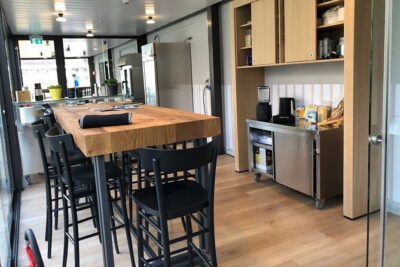
- Hands-on pasta stations: you work at your own desk in a proper professional lab setup.
- Chef-led technique tips: history plus practical guidance, like how to shape pasta correctly.
- Snacks and coffee breaks: cheese, cured meats, olives, and sweets along the way.
- Wine with your meal: red and white are included, served during group dining.
- Take-home recipes: you get the full set of recipes so you can recreate the dishes later.
Hands in the flour, in a Milanese kitchen
- The Secrets to Learn Fresh Pasta and Tiramisù in a Glam Home★ 5.0 · 1,182 reviews
- Milan: Pasta and Tiramisu Cooking Class with Wine★ 4.8 · 1,106 reviews
- Gnocchi, Pasta, Tiramisù and Wine Class★ 5.0 · 691 reviews
Inside Chef and the City: how this Milan class really works
This is a street-level cooking shop experience based in Lombardy, run as a working professional kitchen. You’ll meet at Chef and the City, a shopfront with three large windows and three red signs on top. When you arrive, ring the bell at the main window door.
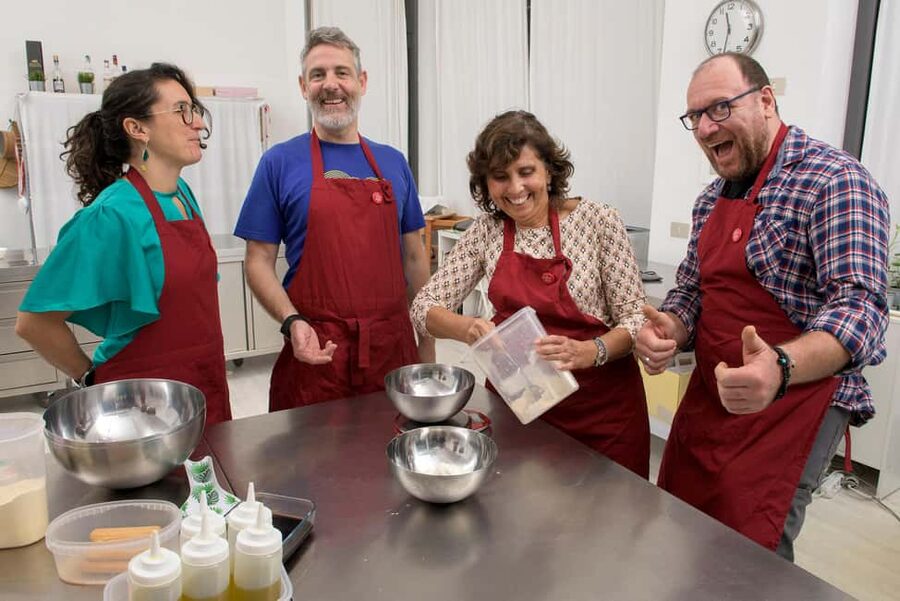
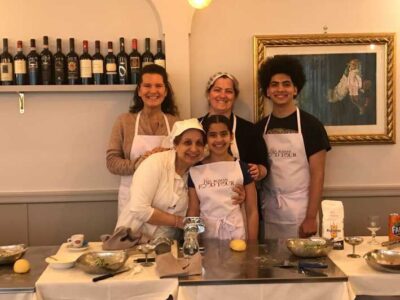
The vibe is part class, part dinner party. You cook in the lab, then transition to a dining room where you all share what you made—plus wine. It’s a great format if you want something more than a tasting tour but less intimidating than signing up for a full-time course.
And yes, it’s seriously hands-on. You’re not just watching. You’ll be working the dough and building the dishes step by step under an Italian chef’s supervision.
The $80 value: what you get in exchange for your money
At $80 per person for a 3-hour session, the value comes from what’s included—not just the teaching. Your ticket covers:
- food
- beverages (including wine)
- cooking tools
- gloves and aprons
That matters because cooking classes often surprise you with extra costs (ingredients, special tools, or a separate lunch bill). Here, the price bundles the practical stuff you’d otherwise spend on at home.
Also, you’re not leaving empty-handed. You get a copy of all the recipes. That turns your experience into a future dinner plan, not a one-night memory.
If you love eating well but want a reason to cook beyond ordering Italian food again, this is a smart buy. For the time you spend, it’s built to give you both technique and a finished meal.
Your 3-hour kitchen rhythm: snacks, cooking, then a shared meal
The flow is designed to keep you moving without feeling rushed.
Before the main cooking starts, you’ll get light snacks like cheese, dry tomatoes, mortadella, and olives. There’s also coffee, tea, infusions, and water available during the session, plus sweets such as cookies, biscuits, and candies.
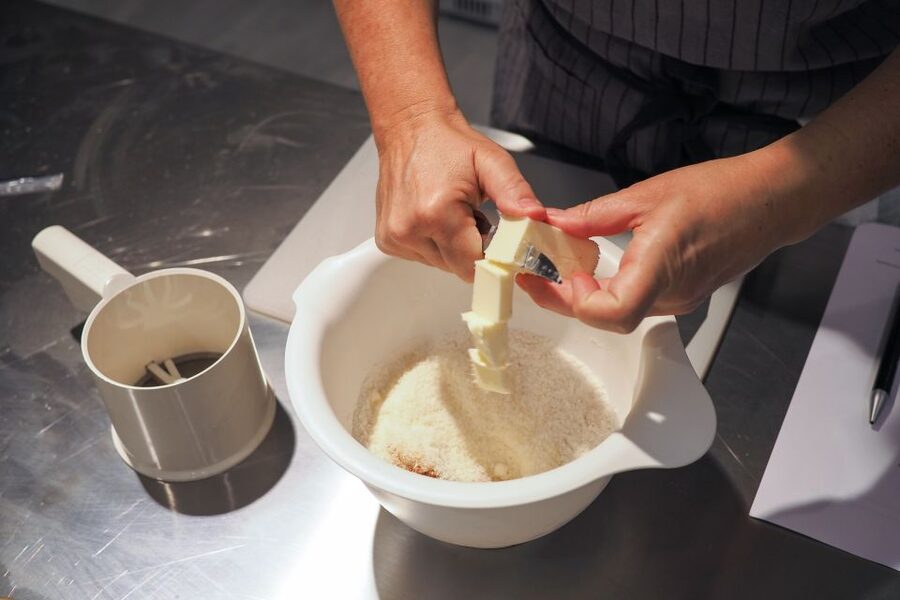
Then you get to work at your personal desk. You’ll make three dishes together as a group, with the chef guiding you through the technique and timing.
Finally, you sit down together and enjoy the meal you cooked. Wine is served during the dining portion, and it’s one of the easiest ways to turn a class into a social evening—especially in a city like Milan, where you can go from solo exploring to good conversation fast.
A few more we would happily send a friend to in Milan
- Milan’s Authentic Street Food tour: A Gourmet Experience
★ 4.5 · 717 reviews - Small-Group Barolo Wine Tasting, Alba & UNESCO Piedmont Hills
★ 5.0 · 689 reviews - Milan: Guided Street Food Walking Tour with Food Tasting
★ 4.8 · 654 reviews - Milan: Sunset Navigli Food & Drinks Tour by Do Eat Better
★ 4.5 · 517 reviews - Milan: Italian Cooking Class with Food and Wine
★ 4.7 · 509 reviews
Fresh pasta from scratch: the skill that pays off at home
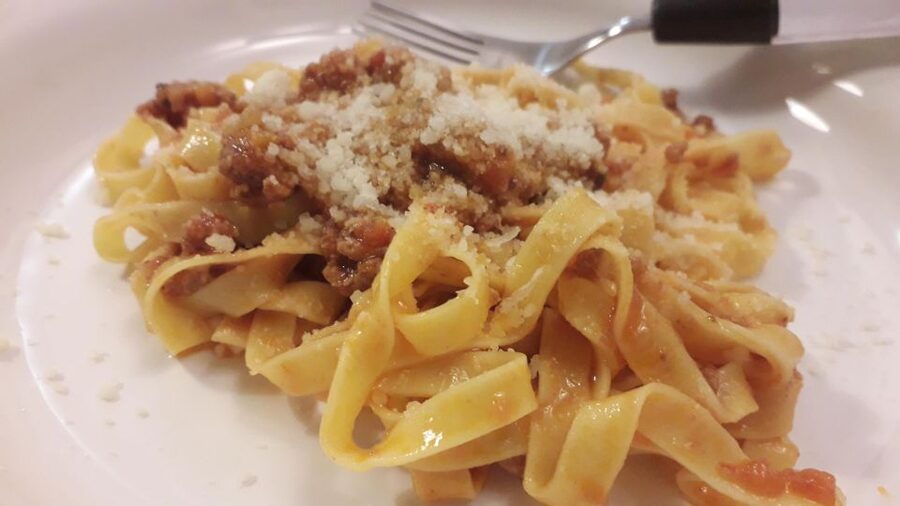
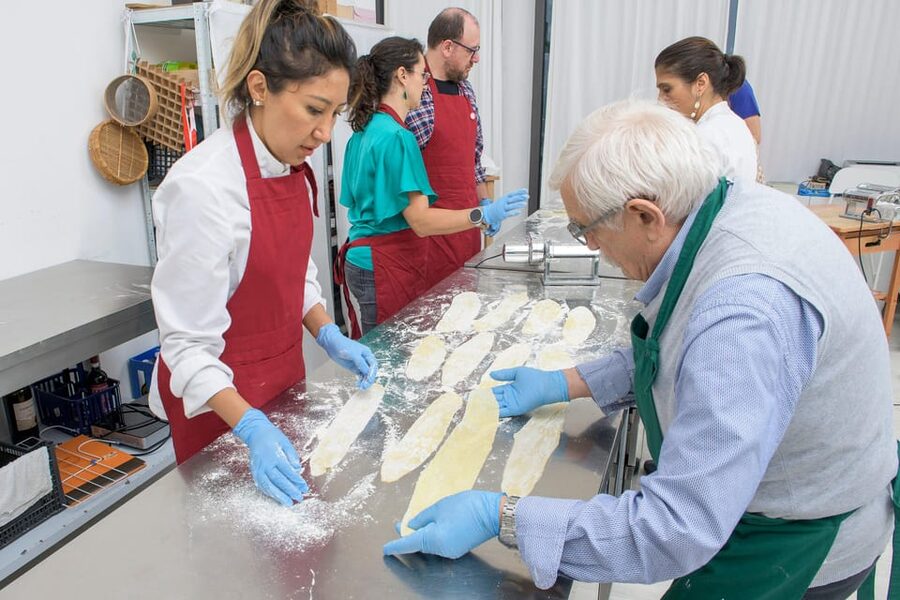
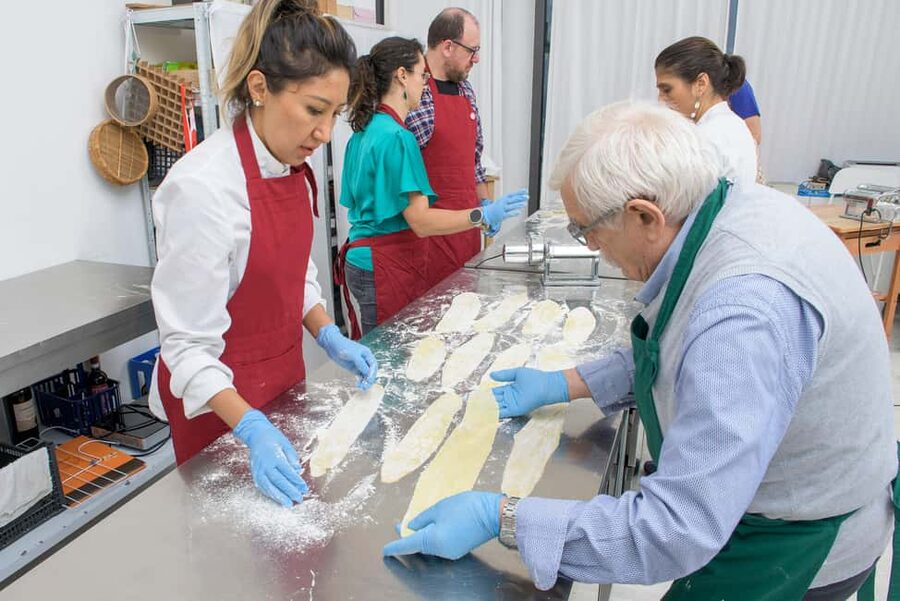
The biggest reason people sign up is simple: you’ll learn to make fresh pasta. The experience is built around pasta-making you can repeat at home, not just assembling something close enough to pass as homemade.
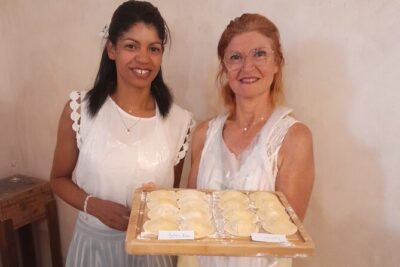
You may work with different pasta types depending on the session, including tagliatelle and shapes like gnocchi or ravioli. You’ll also learn how to work with the pasta machine when it’s part of the plan.
What I like about this approach is that pasta-making teaches more than one step. It teaches:
- dough feel (what “right” looks and feels like)
- rolling and thickness control
- shaping, cutting, or filling without panic
- timing so it cooks when it should
And you’re not alone. The chef and assistants help as you go. In particular, the instruction style is practical—clear explanations, corrections when you miss a technique, and room for questions.
One more plus: the lab setup is described as clean and organized, which matters when you’re rolling dough and working with tools right at your station.
Pasta sauces and Italian technique: the lessons behind the flavor
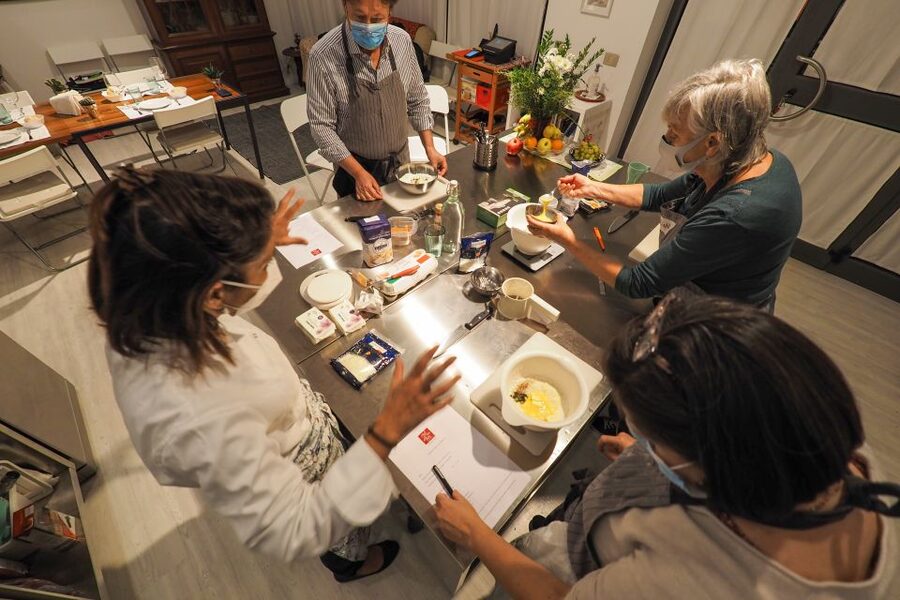
Making pasta is the star, but the sauces are where you learn how Italian cooking thinks.
You’ll pair your pasta with sauces that show real technique, like:
- cacio e pepe sauce
- ragù sauce
- plus other Italian preparations that may appear with the three-dish menu
The chef also shares “why” as much as “how.” That’s what turns your home cooking from guesswork into a system you can trust.
A couple of memorable technique notes show up across the class stories. For example, carbonara is treated as a serious dish: the chef’s guidance emphasizes the traditional approach rather than shortcuts like cream or bacon. And tiramisù gets corrected too—specifically around which spirit to use in the classic version.
Those small corrections might sound like Italian food drama, but they’re useful. They help you understand the logic of the dish so you can cook confidently even when you’re not following the class step-by-step.
The dessert and finishing touches: beyond pasta
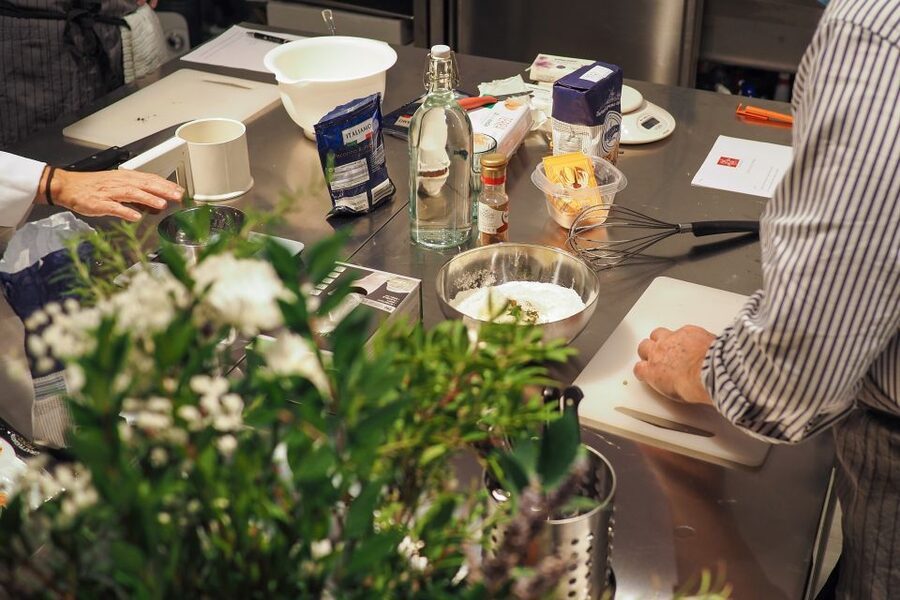
You’ll also cook a dessert as one of the three dishes. Options that show up in the experience include tiramisù, and in other sessions you might see classics like biscotti/cantucci or strudel-style sweets.
This matters because dessert changes the way you plan your cooking pace. Pasta wants precision. Dessert often wants timing and temperature control—especially if components chill or set. So by the end, you’re not only making dinner. You’re building a full small meal.
Plus, the session includes more sweets during breaks, so you’re not stuck waiting until the very end for something sweet. There’s also plenty of coffee and tea during the ride toward dessert.
Wine at the table: how the meal portion feels
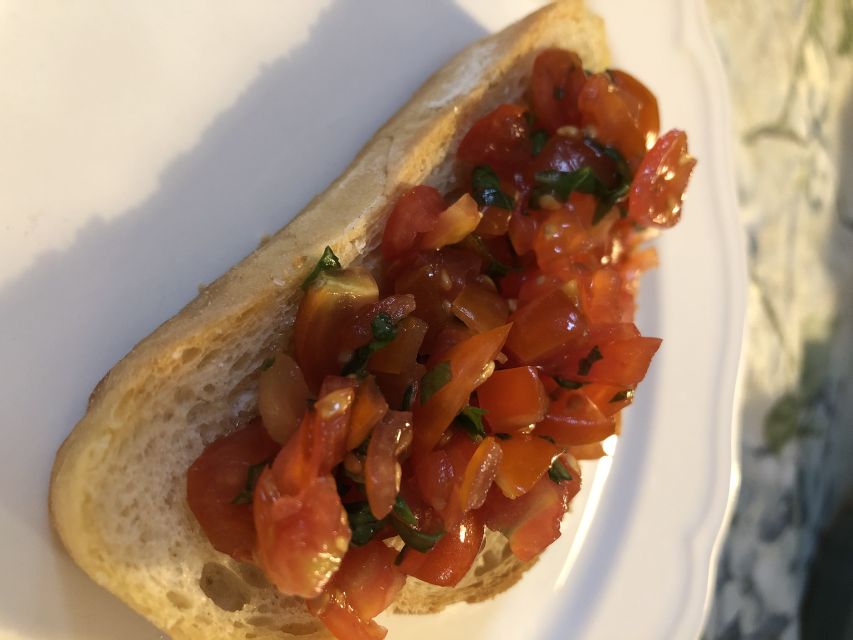
The dining portion is relaxed and part of the fun. You’ll eat the dishes you cooked in a shared meal setup and sip wine while you talk.
Both red and white wine are included. The wine is served alongside your group dining, so it’s not just a flavor add-on—it’s part of the “we did it” moment when everyone finally gets to taste the finished work.
This is also where the class turns into a cultural exchange. You’ll chat with other people in the room, often from different places, and compare how they handled the pasta at their stations.
If you’re the kind of person who likes learning but also enjoys a good conversation over dinner, this structure is a win.
Allergies, gluten-free, and restrictions: can you still join?
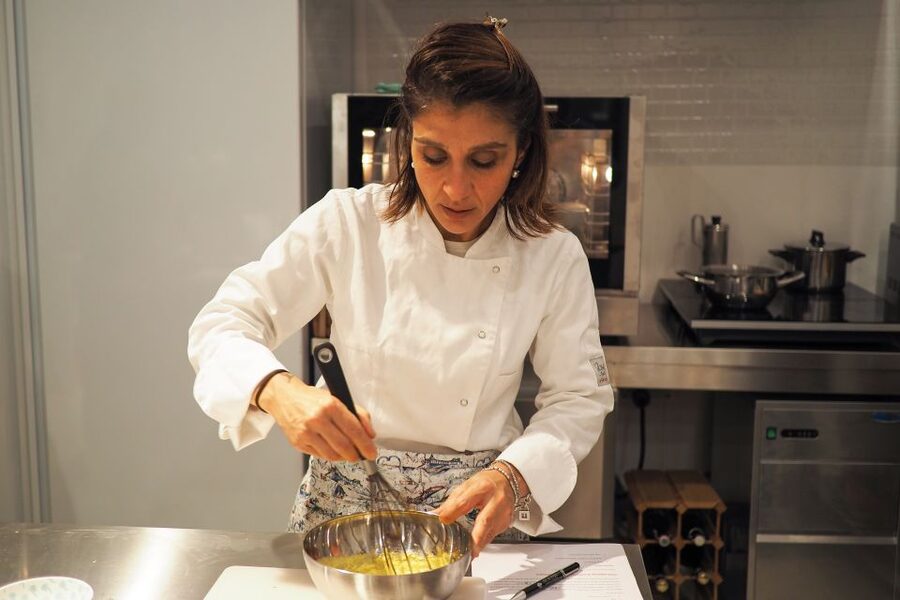
Dietary flexibility is part of the picture. The experience includes consideration for dietary and food restrictions, and gluten-free needs have been accommodated without cutting the person out of the experience.
That’s exactly what you want from a cooking class: participation. The kitchen is set up as a learning environment, not a situation where you watch and hope the chef adjusts later.
If you have a serious allergy or restriction, message ahead if that’s an option during booking. With cooking classes, the earlier you flag needs, the easier it is to match ingredients.
Kitchen rules you’ll need to follow
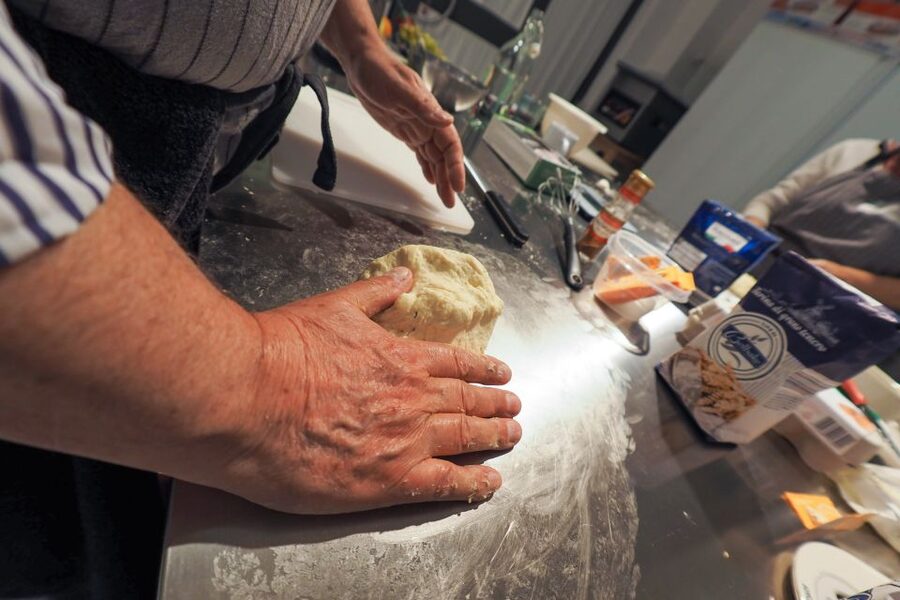
Because it’s a professional cooking lab, there are rules. They help keep things safe and keep the learning smooth.
Expect the following:
- no drinks or food while cooking
- no tasting food while cooking
- tie up long hair
- no luggage or large bags in the kitchen space
- pets are not allowed
- smoking isn’t allowed
Also, it’s not suitable for everyone. It’s not wheelchair accessible, and it isn’t intended for people with mobility impairments. Children under 10 also can’t join.
If you arrive with a big bag and hope to stash it somewhere, plan differently—luggage or large bags aren’t allowed in the kitchen area.
Meeting point logistics: finding it fast in Milan
Milan can be good at confusing you with small storefronts and tight streets. The meeting point is straightforward once you know the visual cue.
Look for Chef and the City, a street-level shop with three big windows and three red signs on top. When you’re there, ring the bell at the main window door.
Because this is a kitchen lab, being on time matters. You’ll want a clean arrival so you can get to apron-on, station-ready mode quickly.
Who this Milan cooking class is best for
This class is a great fit if:
- you want real technique, especially fresh pasta skills
- you like learning from an Italian chef rather than following a recipe at home
- you want a fun group dinner with wine at the end
- you’d enjoy the discipline of cooking rules while someone corrects your form
It’s also a solid choice if you’re traveling solo. Small groups and social table time make it easier to meet people quickly.
If you want a fully hands-on, start-to-finish instruction for every component with zero downtime, you might still enjoy it, but it can feel more structured than “every moment is mixing and shaping.” Some sessions can include more prep-focused tasks than you might expect, depending on the day’s setup and menu.
Should you book this Milan cooking class?
I’d book it if you want a practical culinary skill you can take home. For $80, you get three dishes, wine, tools, and gloves/aprons, plus recipes that let you cook again without reinventing the method.
Skip it if you:
- need wheelchair access or have mobility limitations
- are bringing large luggage you need to store
- dislike kitchen rules like no tasting while cooking
- are booking specifically for one exact dish and need it guaranteed every time
If you’re flexible and you want pasta skills plus an evening meal that feels like you earned it, this is one of the better value cooking experiences in Milan.
FAQ
How long is the Milan Italian cooking class?
It lasts 3 hours.
What will I cook during the class?
You’ll prepare 3 traditional Italian dishes. The experience includes making fresh pasta from scratch, and dishes can include items like tagliatelle, gnocchi, ravioli, sauces such as cacio e pepe and ragù, plus dishes like focaccia, bruschetta, and tiramisù depending on the session.
What’s included in the price?
The price includes food, beverage, cooking tools, gloves, aprons, and wine.
Do I get recipes to take home?
Yes. You receive a copy of all the recipes from the chef so you can recreate the dishes at home.
Where is the meeting point?
Meet at Chef and the City, a street-level shop with three big windows and three red signs on top. Ring the bell at the main window door when you arrive.
Are pets or smoking allowed?
No pets are allowed, and smoking isn’t allowed.
Is the class wheelchair accessible and suitable for kids?
It’s not wheelchair accessible, and it isn’t suitable for children under 10. People with mobility impairments should also avoid booking.
More Food & Drink in Milan




More Tour Reviews in Milan





More Milan Cooking Classes

Fresh in our Milan notebook





Milan Cooking Classes, compared.
 ★ 5.0The Secrets to Learn Fresh Pasta and Tiramisù in a Glam HomeFrom $901,182 reviews
 ★ 4.8Pasta and Tiramisu Cooking Class with WineFrom $611,106 reviews
 ★ 5.0Gnocchi, Pasta, Tiramisù and Wine ClassFrom $83691 reviews
 ★ 5.0Pasta and Tiramisu Small Group Cooking Class with WineFrom $83660 reviews
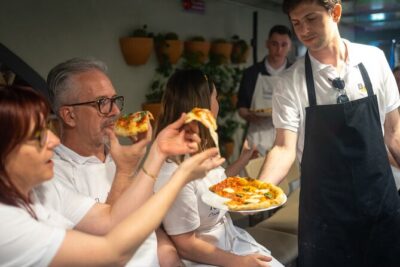 ★ 5.0Milan Cooking Class: Authentic Pizza & Gelato MakingFrom $78582 reviews
 ★ 4.9Fresh Pasta & Tiramisù Class in a Glamorous HomeFrom $88478 reviews
 ★ 5.0Milan Culinary Experience: Pasta & Gelato or Tiramisù ClassFrom $85337 reviews
 ★ 5.0Traditional Pasta and Tiramisù MasterclassFrom $93307 reviews
Browse the lists this tour appears in