
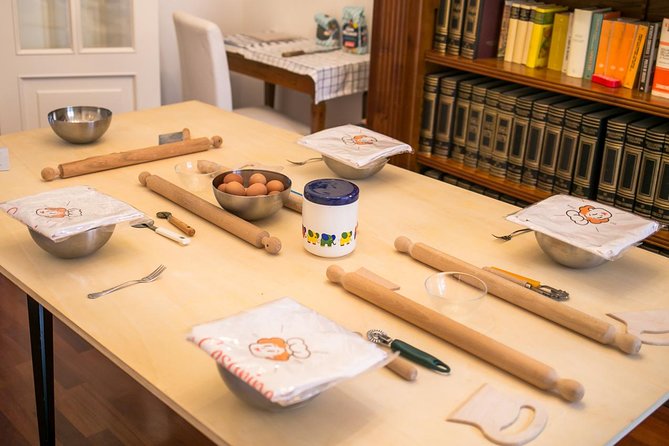
Reviewed · MILAN COOKING CLASSES
Share Your Pasta Love in a Local’s Home in Milan
Fresh pasta in a real apartment.
This Milan class is a friendly, hands-on way to learn Northern Italian pasta basics, with an aperitivo welcome before you touch the dough. I also like that you actually get to eat what you make, pairing your meal with a complimentary glass of wine. One thing to consider: at 1.5 hours, you’ll learn the core moves, but you won’t become a master of every possible pasta shape.
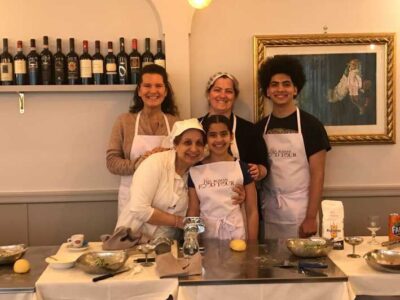
The setup feels personal because the class is limited to a small group (up to 10 people) and hosted in someone’s home near Corso Vercelli. You’ll mix, knead, and shape pasta with guidance, then sit down to enjoy it together. If you have dietary needs like vegan, it’s worth asking ahead, since plant-based cooking isn’t always the default in traditional pasta classes.
In This Review
- Key Highlights Worth Booking
- Milan’s Home-Style Start: Aperitivo at Corso Vercelli
- Hands-On Pasta Making in About 90 Minutes
- Tagliatelle, Fettuccine, or Ravioli: Learning the Northern Shapes
- Aperitivo, Wine, Then the Meal You Made
- What the Small Group Really Changes
- Price and Value: What $63.88 Buys You in Milan
- Where This Fits Best: Who Will Enjoy It Most
- Logistics That Matter (Without Killing the Fun)
- Should You Book This Milan Pasta Class?
- FAQ
- How long is the Milan pasta-making experience?
- Where does the experience start?
- What is included in the price?
- How much does it cost?
- Is there a group size limit?
- Is the ticket mobile?
- What if I cancel?
- Which company provides the class?
Key Highlights Worth Booking
- Small group (max 10 people) means more time for questions and gentle correction.
- Aperitivo welcome sets the tone before the flour and rolling pin.
- Fresh pasta from scratch in about 90 minutes, not a long demo.
- Northern Italian shapes like tagliatelle, fettuccine, or ravioli (based on what you’re taught).
- Wine included, with one glass per three people.
- Family-style feel that often includes recipes passed down through generations.
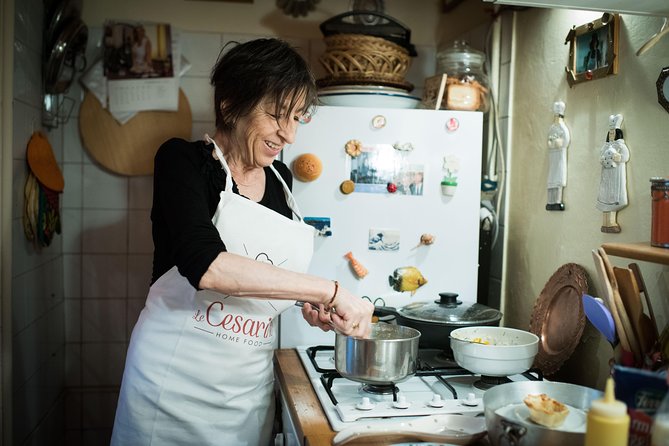
Hands in the flour, in a Milanese kitchen
- The Secrets to Learn Fresh Pasta and Tiramisù in a Glam Home★ 5.0 · 1,182 reviews
- Milan: Pasta and Tiramisu Cooking Class with Wine★ 4.8 · 1,106 reviews
- Gnocchi, Pasta, Tiramisù and Wine Class★ 5.0 · 691 reviews
Milan’s Home-Style Start: Aperitivo at Corso Vercelli
This experience begins with you meeting at Corso Vercelli, Milano. The meeting point is a useful clue: you’re not winding across town to a big venue. The class also ends back at the meeting point, which keeps your day simple once the meal is done.
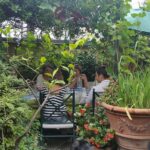
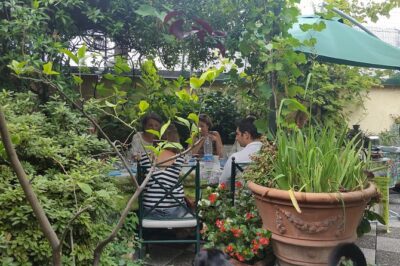
What really changes the mood is the opening aperitivo. Instead of jumping straight into cooking, you get a small welcome with something Italian to sip and nibble. It’s the kind of start that makes the whole afternoon feel like someone’s inviting you into their routine, not just attending a workshop. One review-style detail that stands out is the relaxed atmosphere in a living-room setting, with the kitchen described as partly al fresco—so you may feel that “Milan apartment, but airy” vibe.
If you’re the type who likes to understand a city through how people live (not just what people sell), this format is a good match. You get to learn while the host is still in normal host mode, not switching into teacher-only mode.
Practical tip: plan to arrive a little early so you can settle in and start when everyone else does. With a short 1.5-hour session, being late can cost you hands-on time.
Hands-On Pasta Making in About 90 Minutes
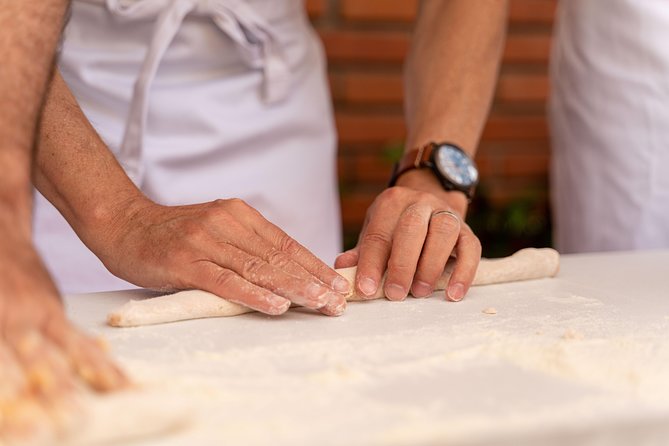
The real heart of this class is learning how fresh pasta starts: mixing, kneading, and shaping dough from scratch under close guidance. Expect a focused pace. You’ll be doing more than watching, even if the finer details depend on your pace and the group’s timing.
The teaching style matters here. In one account, the host used a grandmother’s recipe approach and explained the process clearly enough that the workshop felt user-friendly. That’s what you want: a lesson that gives you steps you can repeat later, not just a one-time technique.
Here’s how I’d think about the value of the time:
- 90 minutes isn’t long enough to produce “perfect” pasta on every attempt.
- It is long enough for you to learn the key mechanics: dough texture, how it feels when it’s ready, and the basic method for rolling and shaping.
This is perfect if your goal is confidence. You leave understanding what homemade pasta dough should feel like, not just knowing you once ate tagliatelle in a nice place.
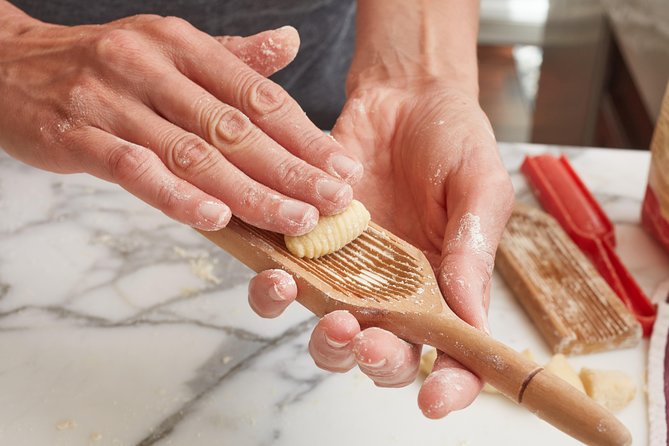
What you might find during the process: you may make one or more classic shapes (the class mentions tagliatelle, fettuccine, and ravioli). The exact choice can depend on what the host teaches that day and what fits best with timing.
Tagliatelle, Fettuccine, or Ravioli: Learning the Northern Shapes
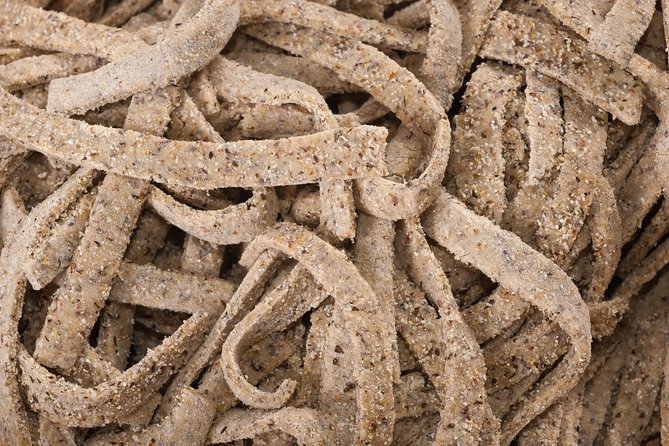
Milan and the wider Lombardy region sit in a Northern Italian pasta world where shapes are often tied to texture and sauce. In this class, you’ll learn techniques for tagliatelle, fettuccine, or ravioli.
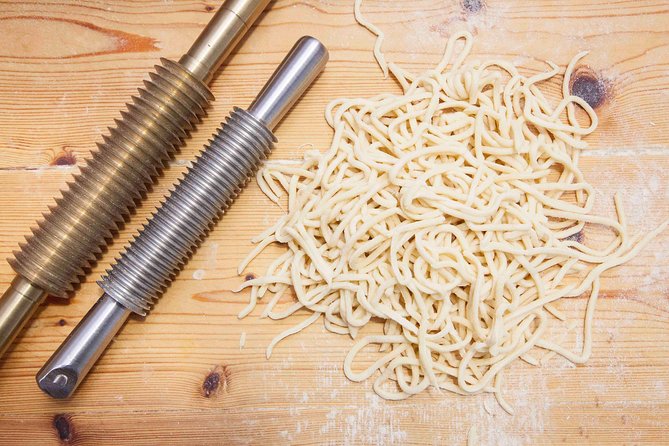
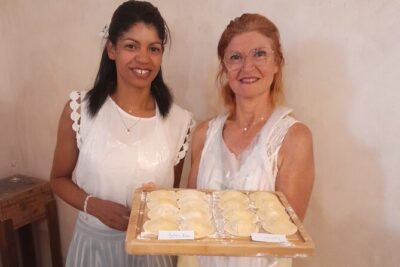
Why this matters for you: learning one or two shapes gives you a practical skill set. Tagliatelle and fettuccine-style ribbons are often about rolling and cutting, while ravioli adds shaping and sealing. Even if you only master one fully, you’ll understand what differentiates these styles.
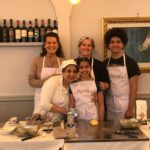
In one review, the kitchen felt relaxed and welcoming, with the host guiding people through the steps in a casual home setting. That kind of atmosphere helps if you’re nervous. Pasta dough is forgiving in the early stages, and a supportive teacher can show you how to adjust when dough doesn’t behave the way you expected.
If you’re thinking about repeating at home, ravioli-style steps can be the most immediately “transferable” because you can practice filling and sealing later. Tagliatelle/fettuccine-style work can be more forgiving and faster to repeat too—useful if you want a homemade dinner without turning it into a weekend project.
- Milan: Cathedral and Duomo’s Terraces Entrance Ticket
★ 4.6 · 61,054 reviews - From Milan: Como Private Boat, Bellagio and Lugano Day Trip
★ 4.8 · 6,271 reviews - Milan: City Sightseeing Hop-On Hop-Off Bus with Audio Guide
★ 4.0 · 6,256 reviews - Milan: Milan Cathedral Direct Entrance – Terrace Excluded
★ 4.5 · 5,782 reviews - Milan: Guided Walking Tour & Last Supper Visit with Ticket
★ 4.7 · 5,409 reviews
Aperitivo, Wine, Then the Meal You Made
Once the pasta is ready, you sit down in the home and eat what you made. This is where the experience goes from class to meal, and it’s a big reason people rate it so well.
Your package includes a complimentary glass of wine—the details specify one glass per three people. That means it’s not a free-for-all pour, but it does add a real Italian dinner rhythm. Pairing your pasta with wine also makes the class feel like a genuine meal experience rather than a quick cooking demo.
Timing-wise, you’re not just tasting a tiny bite. You’ll enjoy your dish, then you have optional end-of-meal choices. The experience mentions you can add homemade dessert or an authentic Italian espresso if you’d like. Those final touches matter in Italy because they help end the meal the way locals do: slowly, with something sweet or a short coffee.
One practical note: because you’ll be rolling and shaping dough, you might work up hunger earlier than you expect. This class is structured so you’re eating soon after cooking, not waiting for a restaurant reservation later.
What the Small Group Really Changes
The class caps at 10 people, and that affects your whole experience.
In a small group setting:
- You get faster help when your dough feels too dry or too sticky.
- You’re more likely to get personal feedback on how you’re shaping.
- The host can adjust the flow if people are going slower or learning at different speeds.
That small-group detail is part of why this kind of home class often feels warmer than a big cooking studio. One account described a super relaxed vibe and the sense of being welcomed, not processed. You also get better context for the “why” behind steps, not only the “what.”
This is a good match if you want interaction. If you’re looking for a lecture-heavy experience with lots of theory, you might find the format more hands-on than academic. But for most food lovers, that’s the point.
Price and Value: What $63.88 Buys You in Milan
At $63.88 per person, this sits in the mid-range for an organized activity in central Milan. The real question is what you’re getting for that price.
Here’s the value breakdown based on what’s included:
- A guided fresh pasta class (hands-on, not just watching)
- An opening aperitivo
- Your meal (you eat the pasta you make)
- A complimentary glass of wine (one per three people)
- Optional dessert or espresso if you want to add it
What makes it feel like good value is the home setting plus the meal. Many cooking classes give you instruction but don’t deliver the full “I ate like someone local” experience. Here, you’re not only learning; you’re participating in the meal afterward.
Also, the small group size matters. If you’ve ever tried a cooking class where the teacher can’t reach your station, you know the difference. In a group capped at 10, your money has more chance to convert into actual skill.
One more budgeting angle: the class is commonly booked about a week in advance. If you wait too long, you might lose convenient time slots. So if your dates are firm, it’s smart to lock it in rather than gamble.
Where This Fits Best: Who Will Enjoy It Most
This is a solid pick if you want:
- A hands-on Milan activity that doesn’t feel like a tourist performance
- The comfort of a home environment, not a crowded workshop room
- A short, focused experience (about 1.5 hours) with a meal attached
I’d especially recommend it to:
- Food lovers who want fresh pasta skills you can actually repeat
- Couples or friends who enjoy cooking and chatting
- Travelers who like practical culture—learning through making and eating, not just reading plaques
If you’re traveling solo, this still works because the group stays small and the host interaction is usually the main event. If you’re traveling with kids, the data doesn’t specify age limits, so you’d want to check before booking. If you have dietary needs, treat the vegan situation as a flag to plan ahead. One account noted vegan was not common in that context, which is your cue to ask questions early.
Logistics That Matter (Without Killing the Fun)
A few small details help your day go smoothly.
- Mobile ticket: You’ll use a mobile ticket, so have your confirmation ready on your phone.
- Near public transportation: Getting there is meant to be straightforward.
- Ends where you started: No awkward after-class wandering.
- 1.5-hour timing: Plan this for when you’re not rushed into another major activity right after.
For what to wear: go with comfortable clothes you can move in and that you don’t mind getting a little flour on. This is a pasta class, not a museum. If you’re bringing a bag, keep it simple. You’ll want your hands free for rolling and handling dough.
Should You Book This Milan Pasta Class?
Yes, I’d book it if you want a small-group, home-style pasta lesson with real food at the end. The combination of aperitivo, hands-on dough work, and then sitting down to eat what you made is hard to beat for a short time in Milan. The experience also seems to do a good job of keeping the mood relaxed and beginner-friendly.
Don’t book it if you’re looking for a long, wine-and-history evening or a full-on culinary boot camp. This is focused. You’ll learn enough to feel capable, not enough to replace a lifetime of Italian grandmothers.
If your priority is fresh pasta skills in a true Milan home setting, this class is a strong choice. Just remember to plan ahead, especially if your schedule is tight.
FAQ
How long is the Milan pasta-making experience?
It’s about 1 hour 30 minutes.
Where does the experience start?
The meeting point is listed as Corso Vercelli, Milano, Italy.
What is included in the price?
The experience includes pasta making in a local home, an aperitivo welcome, and you’ll eat the pasta you prepare. A complimentary glass of wine is included (one per three people). Optional dessert or an espresso may be available if you’d like.
How much does it cost?
It costs $63.88 per person.
Is there a group size limit?
Yes. The maximum group size is 10 people.
Is the ticket mobile?
Yes, it’s listed as a mobile ticket.
What if I cancel?
Cancellation is free. You can cancel up to 24 hours in advance for a full refund.
Which company provides the class?
The provider is Cesarine: Cooking Class.
More Tour Reviews in Milan




More Milan Cooking Classes
Fresh in our Milan notebook




Milan Cooking Classes, compared.
 ★ 5.0The Secrets to Learn Fresh Pasta and Tiramisù in a Glam HomeFrom $901,182 reviews
 ★ 4.8Pasta and Tiramisu Cooking Class with WineFrom $611,106 reviews
 ★ 5.0Gnocchi, Pasta, Tiramisù and Wine ClassFrom $83691 reviews
 ★ 5.0Pasta and Tiramisu Small Group Cooking Class with WineFrom $83660 reviews
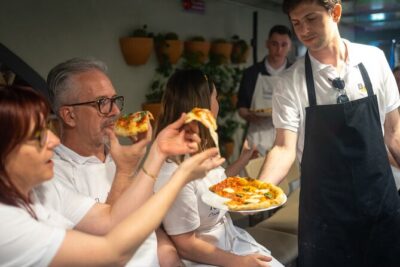 ★ 5.0Milan Cooking Class: Authentic Pizza & Gelato MakingFrom $78582 reviews
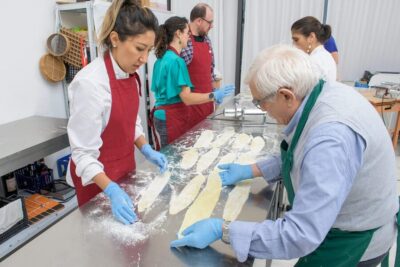 ★ 4.7Italian Cooking Class with Food and WineFrom $80509 reviews
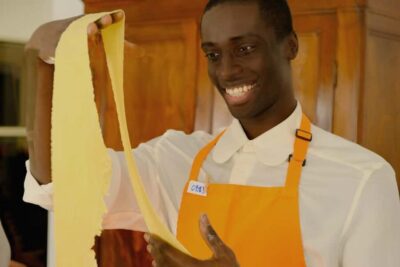 ★ 4.9Fresh Pasta & Tiramisù Class in a Glamorous HomeFrom $88478 reviews
 ★ 5.0Milan Culinary Experience: Pasta & Gelato or Tiramisù ClassFrom $85337 reviews
Browse the lists this tour appears in