
Reviewed · PIEDMONT WINE DAY TRIPS
Small-Group Barolo Wine Tasting, Alba & UNESCO Piedmont Hills
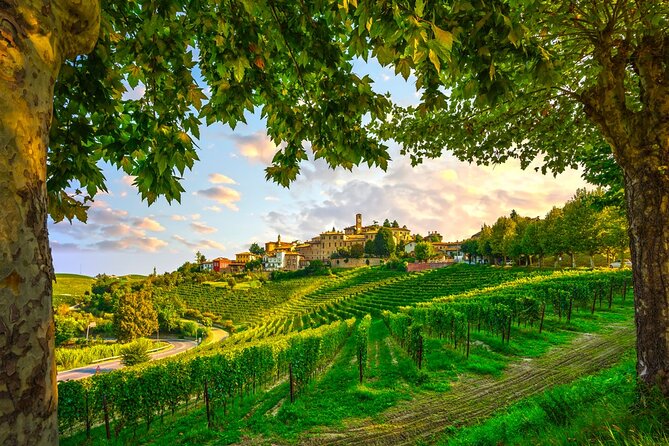
A day in Piedmont starts with cobblestones and ends in wine glasses. This small-group Barolo tasting trip links Alba (with its medieval heart) to a UNESCO stop in the Langhe hills, plus a family winery cellar visit. Expect rolling vineyard views, real local food time, and a guided tasting built around how Barolo is made.
What I like most is the way the day balances town life and wine craft. Six DOC and DOCG reds (often seven) means you get more than a one-wine lesson, and you taste enough variety to understand how Nebbiolo style shifts by hill and vineyard. A possible drawback: the schedule is full. If you want lots of winery stops or a long, slow castle wander, this is not that kind of day.
In This Review
- Key highlights at a glance
- Milan to Langhe: a very efficient full-day rhythm
- Alba’s old town walk: truffles, towers, and time to eat
- Grinzane Cavour Castle and UNESCO views: the best photo stop
- The Barolo winery visit: how “terroir” gets explained in plain language
- Your DOC and DOCG tasting: Barolo plus the comparison set
- Lunch in Alba: plan to eat like a local, not like a tourist
- Van comfort, group size, and pacing that avoids the herd effect
- Is this the right Barolo day for you?
- What it’s really worth for the price
- Should you book this Barolo day trip from Milan?
- FAQ
- What time does the tour start from Milan?
- How many wines are tasted, and does it include Barolo?
- Is there a castle stop every day?
- Is lunch included in the price?
- Is the tour offered in English, and how big is the group?
- Do I need hotel pickup?
Key highlights at a glance
- Alba’s medieval core plus free time to snack and browse
- UNESCO Grinzane Cavour Castle and its panoramic Langhe views
- Family-run winery cellar access with winemaker-led explanations
- At least six DOC/DOCG reds in a guided tasting, including Barolo
- Tuesday plan B: when the castle is closed, you go to a viewpoint in La Morra
- Small group (max 19) with English-speaking guidance and a van ride with AC
A few more Milan cellars worth a pour
- Gnocchi, Pasta, Tiramisù and Wine Class★ 5.0 · 691 reviews
- Small-Group Barolo Wine Tasting, Alba & UNESCO Piedmont Hills★ 5.0 · 689 reviews
- Milan Urban Winery: Taste & Tour at Cantina Urbana★ 4.7 · 683 reviews
Milan to Langhe: a very efficient full-day rhythm
This is a true day trip. You leave at 9:00 am and you’re back by the end of a 10.5-hour outing, with travel time built in. So yes, it’s a long day—but it’s paced. You won’t be stuck in a single location for hours at a time, and you get enough breaks to stay human.
The group stays small, with a maximum of 19 people. That matters in the wine part. It’s easier to hear the details, ask questions, and actually talk with your guide instead of shouting over a busload.
One small comfort note: this uses an air-conditioned van. In warm months, that simple detail can make a difference once you’re out in the hills.
Alba’s old town walk: truffles, towers, and time to eat
Alba is the warm-up act that makes the day feel like Italy, not just a wine errand. You get a guided stroll that includes the town’s historic towers and the Cathedral of San Lorenzo, Alba’s main church.
Alba’s big food claim is the white truffle vibe. The White Truffle Fair runs on weekends in October and November, which can make the center livelier than usual. Even if you’re not there during the fair, you’ll still enjoy the same feel: narrow streets, shop windows packed with local treats, and that Piedmont habit of eating well on purpose.
You also get real free time in Alba, not just a quick stop. Use it to do the small things you’ll remember later:
- Browse for hazelnut-based goodies (Alba is famous for them)
- Snag a snack before lunch if you’re hungry early
- Walk slowly. Alba is built for wandering.
The practical downside of “lunch time” in Alba during busy periods is simple: popular places fill fast. The tour team tends to plan for that by sharing restaurant guidance, and in peak truffle-season situations they’ve even arranged seating so you don’t lose the afternoon to finding a table.
Grinzane Cavour Castle and UNESCO views: the best photo stop
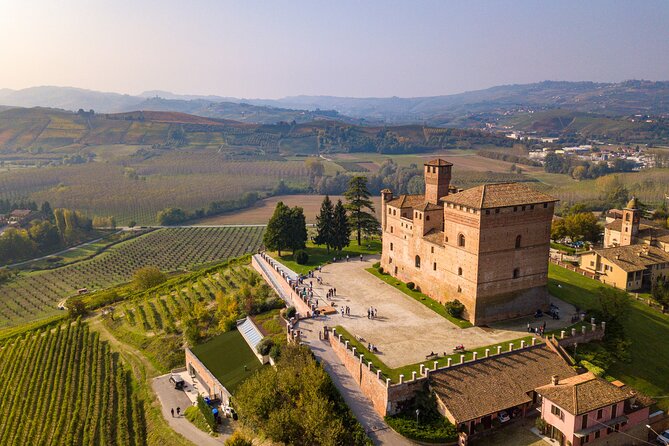
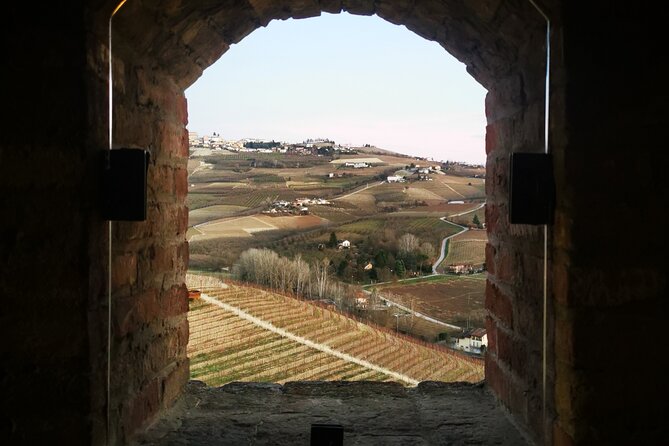
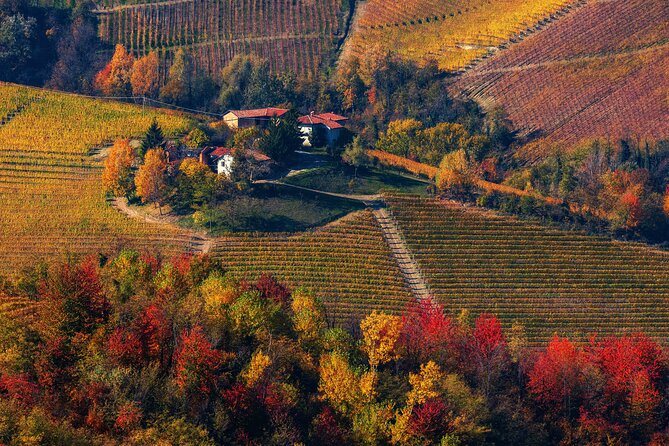
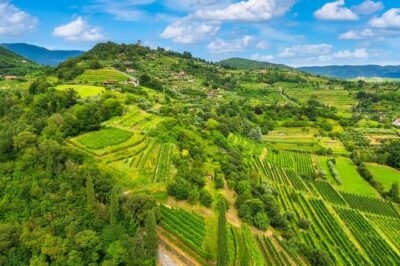
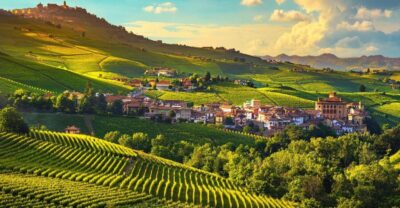
If your day includes it, Castello di Grinzane Cavour is a highlight for the sheer sense of place. This medieval castle is UNESCO-listed, and it gives you wide views over the Langhe hills and vineyards—exactly the scenery that makes Barolo feel like a landscape built from rules.
Inside, you’ll spend time in the castle’s historic wine shop and connect it to Camillo Benso, Count of Cavour. Cavour matters here because he helped connect Barolo to modern winemaking methods and pushed it toward international recognition.
Here’s the key scheduling twist to know: Tuesdays. On Tuesdays, the castle is closed, so the stop switches to a panoramic viewpoint in La Morra. You still get the big-picture views, just with a different feel than walking inside the castle.
Into the Barolo hills, glass first
- From Milan: Barolo Wine Tasting, Alba Tour and Castle Visit
★ 4.9 · 44 reviews - Small-Group Barbaresco Wine Tasting, Alba & Langhe Hills Tour
★ 5.0 · 35 reviews - Piedmontese dinner in Milan all included
★ 4.6 · 13 reviews - One Day Private Tour of Alba City of Wine and Truffles
★ 4.0 · 11 reviews - From Milan: Langhe Wine Region Day Trip with Barolo Tasting
★ 4.8 · 8 reviews
The Barolo winery visit: how “terroir” gets explained in plain language
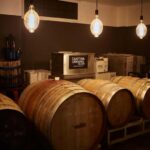
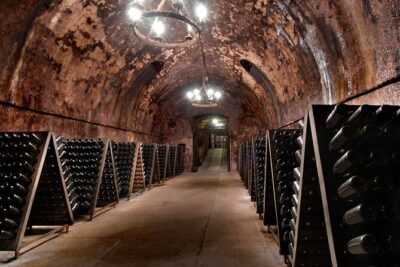
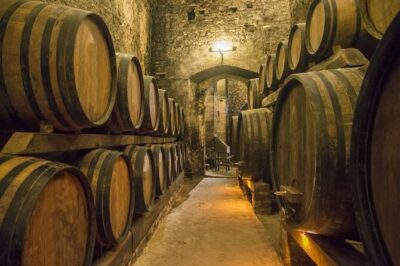
The winery stop is the heart of the trip. You’ll visit a family-run producer in a panoramic setting surrounded by vineyards. You go beyond the tasting room: you enter the cellars and learn directly from the people who make the wine.
Barolo isn’t just a label. The tasting focuses on why it is structured the way it is:
- Barolo must be made only from Nebbiolo
- The production has strict rules, including vineyard location and aging/classification
And you’ll hear how the hills and vineyards carry distinct character. The guide’s job here is to help you connect what you smell and taste back to what the winemakers say about where grapes come from—names, exposure, and the “why” behind aging potential.
This is one reason I like this tour even if you’re not a hardcore wine person. The day doesn’t dump jargon on you and call it education. It uses the wine itself as the reference point.
Your DOC and DOCG tasting: Barolo plus the comparison set
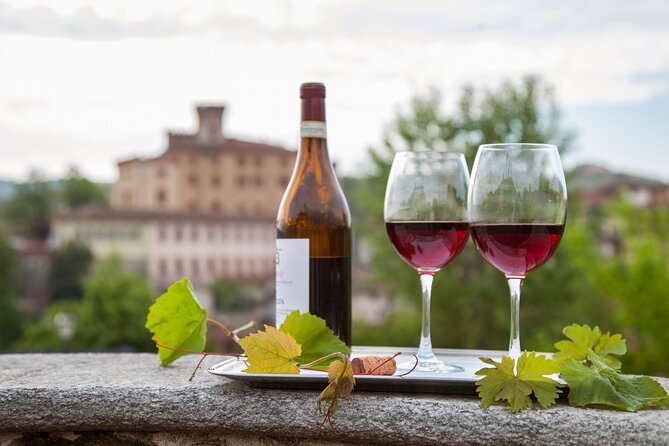
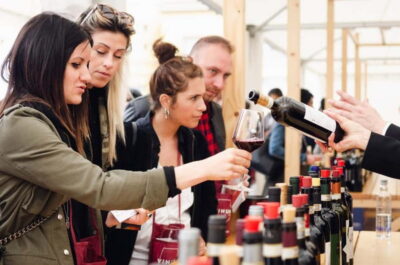
The tasting is built around structured comparisons. You’ll taste at least six Langhe DOC and DOCG red wines, including Barolo—sometimes seven, depending on the exact set offered that day.
That comparison set is what turns this from a sip-and-smile event into something you can actually use later:
- You taste Barolo, then you taste nearby style variations
- You learn what changes in aromatics and structure when producers and vineyards shift
- You practice “reading” the wine the way locals do—quality, terroir expression, and tradition
What to do during the tasting (quick, practical, and useful):
- Take a breath before each pour. Nebbiolo aromas can be subtle at first.
- Notice texture: does it feel tight and structured, or more open?
- Pay attention to aftertaste. Barolo often leaves a long signature.
- If you have questions, ask early. The guides are better before you’re halfway through your glass.
If you’re the kind of traveler who wants multiple winery visits, here’s the catch: this trip centers on one main winery tasting experience. That’s part of why the day feels thoughtful rather than rushed—but it may not satisfy you if you want a “three wineries in one day” tour. There is an option to go more private, which can help if you want a different rhythm.
Lunch in Alba: plan to eat like a local, not like a tourist
Lunch isn’t included, but you’re not left hanging. The tour provides local recommendations, and the timing is built so you can actually sit down and eat rather than grab a sandwich on the run.
In Piedmont, the lunch conversation usually sounds like fresh egg pasta and classic sauces. You might see options like veal with a tuna-based sauce, or pasta dishes that make good use of local staples. If you’re in truffle season, your menu choices may tilt toward truffle-friendly items, depending on what’s available.
My advice: treat lunch as a “reset.” A tasting day can turn into a blur if you just keep walking and sipping. Sit, order something Piedmont-forward, and give your palate a break.
Van comfort, group size, and pacing that avoids the herd effect
A lot of Milan-area day trips feel like a cattle move. This one tries not to. With a maximum of 19 travelers, you still get small-group energy while keeping the van ride practical for a long day.
You should expect:
- Stops that balance walking time with seated time
- A guided pace that still leaves room to breathe during Alba free time
- A focus on learning without turning the day into a lecture marathon
Also, because this is English-speaking, you won’t be stuck decoding translations. On past departures, guides like Monica, Chiara, Oleg, and Stefano have been praised for being friendly and organized. Drivers such as Fabio have also been called out for making the logistics feel smooth. Of course, you can’t count on the exact same team every time, but the quality signals are strong.
Is this the right Barolo day for you?
This tour fits best if you want:
- A clean introduction to Barolo and Nebbiolo rules
- A guided tasting that compares multiple DOC/DOCG reds
- A day that mixes wine with a real town (Alba) and a UNESCO site (Grinzane Cavour Castle)
It may not fit if you:
- Want a multi-winery crawl with lots of cellar doors
- Prefer a slower pace with more free time in fewer places
- Are very sensitive to guides wandering into cultural or political context while giving historical background (some guests have flagged this as a factor, so it’s worth knowing the history talks can be broader than wine)
If you fall into the “I want more wine” category, the private tour upgrade with pickup from your Milan address is the way to go. Private can help you control timing and focus. That also means you can tailor the day more closely to what you actually care about most.
What it’s really worth for the price
At $216.46 per person, you’re paying for more than a tasting. This price includes an air-conditioned van, a licensed English-speaking guide, winery cellar access, and the guided tasting of six (sometimes seven) DOC/DOCG reds including Barolo, plus the walking tour and free time in Alba. Lunch is extra, but you’re given guidance instead of guessing.
In plain terms: you’re buying structure. You’re also buying the ability to compare wines with context, which is the part people usually miss when they do it on their own.
Also, this is a popular itinerary. It’s commonly booked about 58 days in advance, so if your dates are fixed, lock it in early.
Should you book this Barolo day trip from Milan?
Book it if you want a well-paced, small-group day that teaches you why Barolo tastes the way it does—while still letting you enjoy Alba’s atmosphere. I especially think it’s a strong choice for first-timers to Piedmont wine country, because the tasting set gives you comparisons, and the history + UNESCO stop make the day feel anchored.
Skip or consider private if your top priority is maximizing wineries or spending extra time in one place. This is one winery, done well, paired with town and castle time.
If weather turns poor, the plan can be adjusted or you’ll get an alternative date or a refund, since the day depends on good weather for the experience.
FAQ
What time does the tour start from Milan?
It starts at 9:00 am and runs about 10 hours 30 minutes, finishing back at the meeting point.
How many wines are tasted, and does it include Barolo?
You’ll taste 6 Langhe DOC & DOCG red wines, including Barolo. It can sometimes be 7 wines.
Is there a castle stop every day?
The castle is included, but on Tuesdays the castle visit is replaced by a stop at a panoramic viewpoint in La Morra.
Is lunch included in the price?
No. Lunch isn’t included, but you’ll get local recommendations.
Is the tour offered in English, and how big is the group?
Yes, it’s offered in English. The group size is kept small, with a maximum of 19 travelers.
Do I need hotel pickup?
No, hotel pickup and drop-off aren’t included. There is an upgrade option for private tour pickup from your Milan address.
If you want, tell me your travel month and whether you care more about wine depth or town time, and I’ll suggest the best way to plan your day (including what to prioritize in Alba).
More Tour Reviews in Milan
More Piedmont Wine Day Trips
More Milan Wine Tastings

Fresh in our Milan notebook
Piedmont Wine Day Trips, compared.
 ★ 4.9From Milan: Barolo Wine Tasting, Alba Tour and Castle VisitFrom $22544 reviews
Small-Group Barbaresco Wine Tasting, Alba & Langhe Hills TourFrom $22635 reviews
★ 4.9From Milan: Barolo Wine Tasting, Alba Tour and Castle VisitFrom $22544 reviews
Small-Group Barbaresco Wine Tasting, Alba & Langhe Hills TourFrom $22635 reviews
 ★ 4.6Piedmontese dinner in Milan all includedFrom $7113 reviews
One Day Private Tour of Alba City of Wine and TrufflesFrom $1,74211 reviews
★ 4.6Piedmontese dinner in Milan all includedFrom $7113 reviews
One Day Private Tour of Alba City of Wine and TrufflesFrom $1,74211 reviews
 ★ 4.8From Milan: Langhe Wine Region Day Trip with Barolo Tasting8 reviews
 ★ 5.0Private Langhe and Barolo Wine Tour from MilanFrom $1,1795 reviews
Browse the lists this tour appears in