
Reviewed · MILAN COOKING CLASSES
Small group Pasta and Tiramisu class in Milan by Cesarine
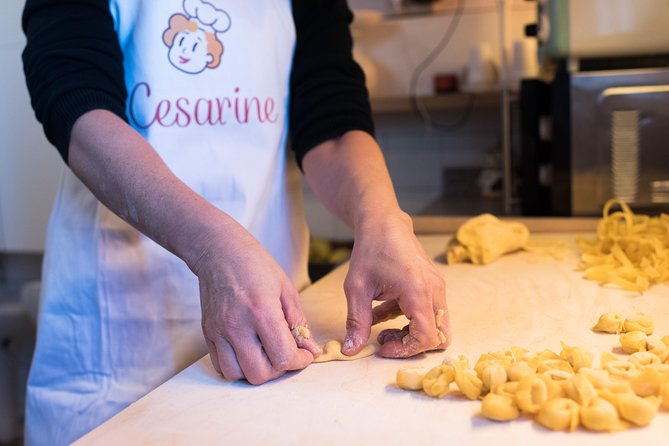
Your hands will make Milan pasta. This small-group class with the Cesarine turns a quiet home evening into sfoglia practice, starting with an aperitivo of prosecco and snacks. With a maximum of 12 people, you get real attention instead of watching from the sidelines.
I love the hands-on roll-it-by-hand lesson for sfoglia, because you learn the feel of the dough, not just the recipe. I also like that the class builds to dessert, so you make tiramisù along with two simple pasta dishes, then sit down and eat your work.
One thing to plan for: the exact home address is typically shared later, so you’ll want to wait for that info and budget a short tram ride if needed.
In This Review
- Key things to know before you book
- Cesarine pasta and tiramisù in Milan: why this format works
- The three-hour rhythm: aperitivo, cooking, then dinner
- Rolling sfoglia by hand in the heart of the process
- Your two pasta dishes: what you can expect to make
- Tiramisù training that’s actually useful
- Meet the Cesarina: what the hosts bring to the experience
- Price and value: what $155.42 really buys you
- Getting there in Milan: transport and timing that won’t stress you out
- Who this pasta and tiramisù class is best for
- Should you book the Cesarine pasta and tiramisù class?
- FAQ
- How long is the Pasta and Tiramisu class in Milan?
- What language is the class offered in?
- Is it a small group?
- Do we start with an aperitivo?
- What will I learn to cook?
- Where does the class take place?
- What hygiene and safety rules should I expect?
- Is there free cancellation?
Key things to know before you book
- Aperitivo first: Prosecco and snacks kick things off before you start rolling dough.
- Small group, up to 12: Better coaching, less waiting, and more chances to ask questions.
- Morning or evening: Choose the time that fits your Milan day, then settle in for about 3 hours.
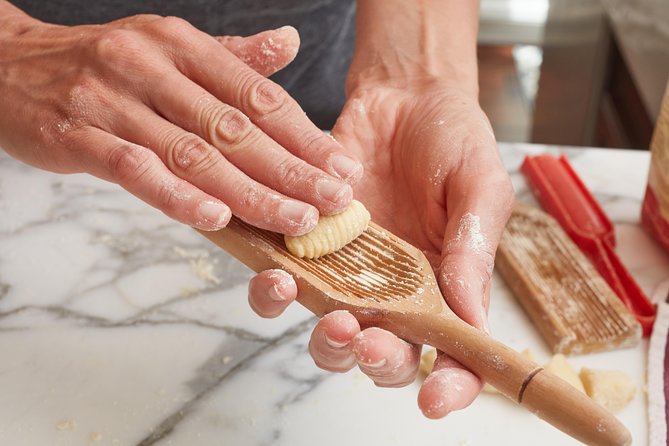
- You make sfoglia by hand: Fresh pasta taught at the workbench level, not as a demo.
- Two pastas plus tiramisù: You leave with both dinner and dessert in your cooking repertoire.
- Cesarine host in their home with hygiene rules: You’ll follow a careful setup, with hand-care supplies and a 1 meter distance expectation.
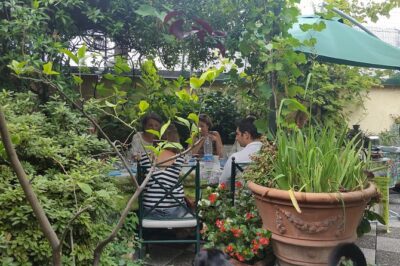
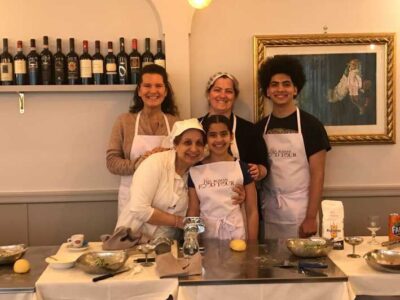
Hands in the flour, in a Milanese kitchen
- The Secrets to Learn Fresh Pasta and Tiramisù in a Glam Home★ 5.0 · 1,182 reviews
- Milan: Pasta and Tiramisu Cooking Class with Wine★ 4.8 · 1,106 reviews
- Gnocchi, Pasta, Tiramisù and Wine Class★ 5.0 · 691 reviews
Cesarine pasta and tiramisù in Milan: why this format works
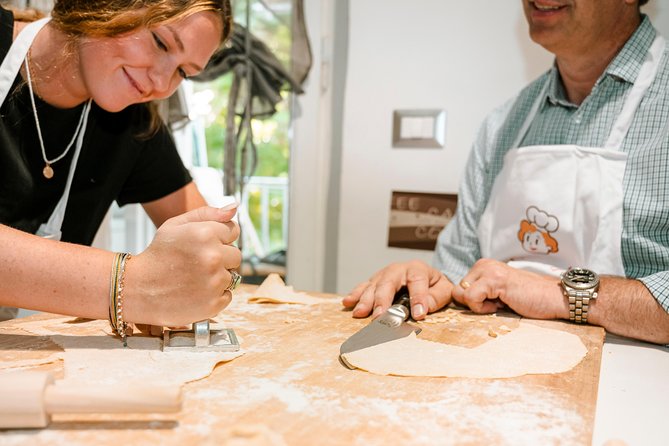
In Milan, you can find cooking classes that feel like a showroom: everyone lines up, someone talks, and nobody really gets flour on their sleeves. This one is different because it’s hosted by a Cesarina in her own home, where the focus is on doing the work with guidance.
What I like most is the pacing. You start social, with an aperitivo, then shift into real cooking tasks. That keeps the class from feeling like an assignment, even though you’re learning actual technique. And because the group is capped at 12, you’re not lost in the crowd.
A second strong point is the food mix. You’re not just making pasta and leaving. You also build a dessert, tiramisù, so you get a full Italian meal feeling even if you’re not in a restaurant.
The three-hour rhythm: aperitivo, cooking, then dinner
The timing is about 3 hours, and that matters. In a shorter class, you often rush the best parts. Here, the flow is long enough for you to get comfortable with the process: roll, cut or shape, learn the sauce or finishing steps, and then make tiramisù afterward.
The class begins with an aperitivo: prosecco and snacks. It’s not just a free drink. It’s a social buffer that helps you settle in, meet your host, and get oriented before you start rolling dough like you’re auditioning for an Italian bakery.
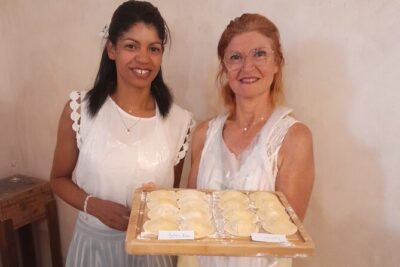
Then you move into the hands-on portion. Based on the class design, you’ll be making fresh pasta (including sfoglia) and preparing two pasta dishes from scratch, followed by tiramisù. At the end, you eat what you made, which is where these classes turn from cooking instruction into a genuinely satisfying evening.
Rolling sfoglia by hand in the heart of the process
“Sfoglia” is the sheet-style fresh pasta dough you roll out thin. This is the part I’m always excited about because it teaches the technique behind everything else. If you understand how the dough behaves, you can adapt later for different shapes and fillings.
In this class, you don’t just get shown the dough and sent on your way. You learn how to roll sfoglia by hand, and because you’re in a small group, you can get corrections early. That helps avoid the classic mistakes: dough that’s too thick, uneven stretching, or sheet edges that tear.
Also, being in a home kitchen changes the experience. You’re working in a real space where the tools and counter layout make sense for a normal cooking workflow. You’re not fighting a classroom table or trying to decipher a demo setup.
A few more we would happily send a friend to in Milan
- Milan: Pasta and Tiramisu Small Group Cooking Class with Wine
★ 5.0 · 660 reviews - Milan Cooking Class: Authentic Pizza & Gelato Making
★ 5.0 · 582 reviews - Milan: Italian Cooking Class with Food and Wine
★ 4.7 · 509 reviews - Milan: Fresh Pasta & Tiramisù Class in a Glamorous Home
★ 4.9 · 478 reviews - Milan Culinary Experience: Pasta & Gelato or Tiramisù Class
★ 5.0 · 337 reviews
Your two pasta dishes: what you can expect to make
The class promises two pasta dishes, plus sfoglia practice. The regional pasta options listed for the class include pizzoccheri, risotto, or lasagna. Your exact pairing can vary based on the class, but the goal is consistent: you’ll leave with two dishes you understand how to build, not just one.
Here’s what you should look for when you’re deciding whether this class fits you:
- If you want pasta basics with a real skill payoff, you’ll likely enjoy the sfoglia component plus the structured cooking steps for your two pasta dishes.
- If you’re more of a sauce-and-skillet cook, dishes like risotto or lasagna can be a good fit because you’ll learn technique that’s closer to assembly and finishing.
- If you want a hands-on experience from start to finish, make sure you’re comfortable getting involved in shaping and preparation steps during the class.
Either way, you’ll have your “make it again at home” moment when the instructions click and you realize you can repeat the process with your own ingredients. That repeatability is what makes a cooking class worth the money.
Tiramisù training that’s actually useful
Tiramisù can sound complicated because people talk about it like it’s a pastry-shop secret. In this class, dessert is treated as a cooking skill you can learn. You’ll prepare tiramisù as part of the evening rather than just receiving a plated dessert.
Why that matters: dessert classes that only do assembly rarely teach the logic of layering and timing. Here, you’re making it under guidance, so you can understand what needs attention and what doesn’t.
Also, tiramisù pairs perfectly with an Italian home dinner vibe. After you’ve cooked savory dishes, dessert feels like a natural finish instead of the final stop on a checklist. By the time you’re sitting down to eat, it’s a complete meal arc.
In some evenings, hosts also add thoughtfully chosen drinks beyond the initial aperitivo, such as a red wine or limoncello-style extras. Don’t count on every add-on, but it’s a hint of the hospitable tone this type of Cesarine class often carries.
Meet the Cesarina: what the hosts bring to the experience
The instructor is part of the value here. Cesarine hosts are careful, attentive, and focused on teaching. In past classes, hosts named Guliana, Sandra, Debora, Sissi, and instructors such as Julianne have been described as welcoming and supportive, including help when English needed a bit of back-up.
That matters because language isn’t always just words. Cooking is a lot of motion and timing. When your host can explain steps clearly and correct you with calm guidance, the whole class feels smoother.
If you’re traveling solo or with kids, you’ll probably appreciate that the class can be friendly and practical, not overly formal. Several experiences in this style are described as being kid-friendly in terms of learning and eating unprocessed or lightly processed food, which is a refreshing contrast to classes that feel too adult-only.
Price and value: what $155.42 really buys you
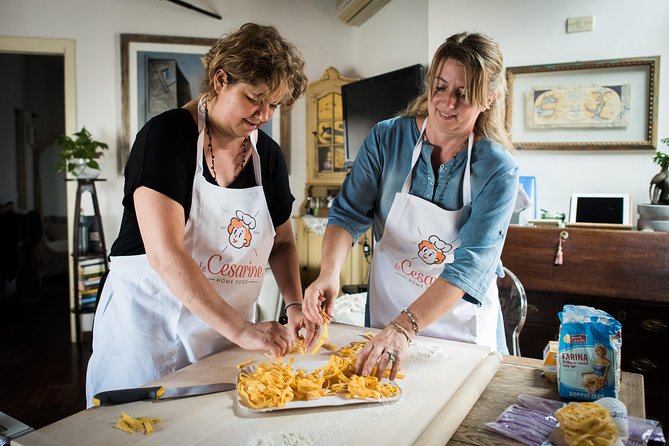
At $155.42 per person for about 3 hours, this isn’t “cheap,” but it also isn’t trying to be a high-end tasting tour. You’re paying for three things that add up:
- A home setting with hands-on coaching (not a theater-style demo).
- Multiple food outcomes: fresh pasta work plus two pasta dishes plus tiramisù, and then you eat it.
- A small group size (maximum 12), which increases the odds you’ll get real feedback while you cook.
If you’ve ever taken a cooking class where you only stir something once and then watch, you’ll feel the difference here. The structure is built around getting you actively involved. That’s where the value shows up, especially in a city like Milan where food experiences can range from excellent but impersonal to intimate but hard to find.
Getting there in Milan: transport and timing that won’t stress you out
The class meets near public transportation and the tour is offered in English. You’ll get a mobile ticket, and you receive confirmation at booking.
The one logistical consideration is the home location detail: you may not see the exact address until later. That means you should plan to check your message and map app close to the date. If your Milan schedule is packed, give yourself a little buffer so you don’t feel rushed.
Also, pick the time slot that matches your energy. The class runs about 3 hours, so evening sessions can work nicely if you want a calmer, quieter experience away from the busiest parts of the day. Morning can be great too if you like getting your hands dirty before your afternoon plans.
Who this pasta and tiramisù class is best for
I think this class is a strong match if you want:
- A hands-on Milan food experience, not a food lecture.
- Fresh pasta practice with sfoglia so you can recreate something at home.
- A small group setting where you can ask questions and get corrections.
- A full dinner-and-dessert arc, because you’ll learn savory and sweet in one go.
It can also be a good option if you want a more local feeling in someone’s home kitchen. That home context makes the whole evening feel more like visiting Italian friends than paying for a show.
Should you book the Cesarine pasta and tiramisù class?
I’d book it if you want a practical Italian cooking night in Milan where you do the work: roll the dough, make two pasta dishes, and learn tiramisù. The small group size and home setting are the big strengths, and the aperitivo start makes it feel welcoming rather than stiff.
I’d think twice if you strongly dislike uncertainty around exact meeting addresses until later. If you prefer a fixed, instantly recognizable venue, you’ll want to wait for the home details and plan your transit.
If you’re coming to Milan for the food and you want one evening where you leave with real skills, this is the kind of experience that tends to stick with you long after the last bite.
FAQ
How long is the Pasta and Tiramisu class in Milan?
It lasts about 3 hours.
What language is the class offered in?
The experience is offered in English.
Is it a small group?
Yes. The class has a maximum of 12 travelers.
Do we start with an aperitivo?
Yes. The class begins with an aperitivo that includes prosecco and snacks.
What will I learn to cook?
You’ll learn how to roll sfoglia fresh pasta by hand and prepare two simple different pasta dishes from scratch, plus tiramisù for dessert.
Where does the class take place?
It starts in Milan and ends back at the meeting point. The Cesarine host you in their home, and the home provides the essential sanitary equipment for guests.
What hygiene and safety rules should I expect?
The host follows important sanitary rules, including a 1 meter distance guideline. If you can’t maintain that distance, masks and gloves are recommended, and hand hygiene supplies are provided.
Is there free cancellation?
Yes, you can cancel for a full refund up to 24 hours before the experience starts.
If you tell me your travel dates and whether you prefer morning or evening, I can help you decide how to fit the 3-hour block into a realistic Milan day plan.
More Workshops in Milan


More Tour Reviews in Milan






More Milan Cooking Classes

Fresh in our Milan notebook






Milan Cooking Classes, compared.
 ★ 5.0The Secrets to Learn Fresh Pasta and Tiramisù in a Glam HomeFrom $901,182 reviews
 ★ 4.8Pasta and Tiramisu Cooking Class with WineFrom $611,106 reviews
 ★ 5.0Gnocchi, Pasta, Tiramisù and Wine ClassFrom $83691 reviews
 ★ 5.0Pasta and Tiramisu Small Group Cooking Class with WineFrom $83660 reviews
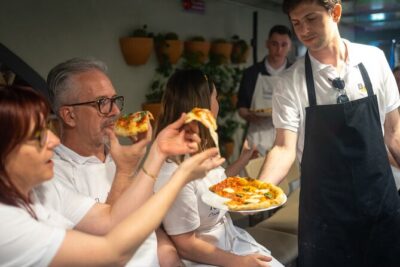 ★ 5.0Milan Cooking Class: Authentic Pizza & Gelato MakingFrom $78582 reviews
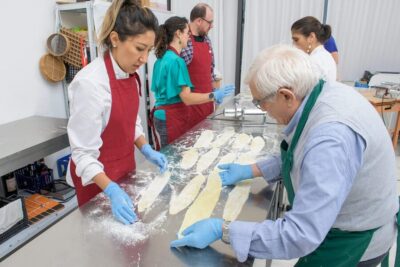 ★ 4.7Italian Cooking Class with Food and WineFrom $80509 reviews
 ★ 4.9Fresh Pasta & Tiramisù Class in a Glamorous HomeFrom $88478 reviews
 ★ 5.0Milan Culinary Experience: Pasta & Gelato or Tiramisù ClassFrom $85337 reviews
Browse the lists this tour appears in