
Reviewed · BRERA & PINACOTECA TOURS
Ticket Pinacoteca Ambrosiana + Cripta San Sepolcro, Milan
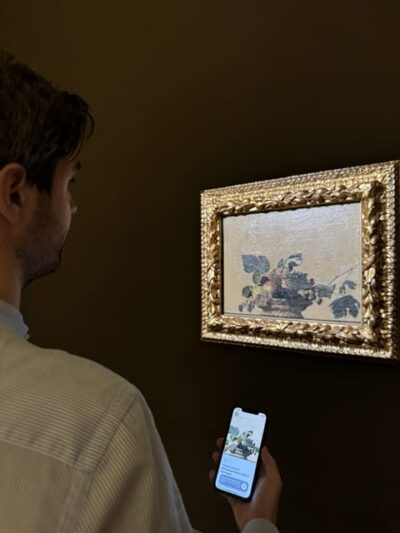
Two sights, one ticket, big payoff. This combo lets you move from top-name Renaissance art into a medieval underground church, all on a single visit with a mobile ticket format. I like how the route is short enough to keep energy high, while still giving you standout works like Caravaggio’s Basket of Fruit.
My other favorite part is the pairing. In the Pinacoteca Ambrosiana, you get famous names and also some quieter study moments, like the library spaces tied to Leonardo da Vinci’s drawings. Then, just when you think you’ve seen all the art for the day, you drop into the Cripta San Sepolcro and get Milan’s earlier layers under your feet.
The main drawback to plan around: this is an admission ticket only experience. You won’t have a guided explanation or audio included, so you’ll want to be comfortable wandering with your own curiosity.
In This Review
- Key highlights that make this ticket combo worth your time
- Pinacoteca Ambrosiana: Renaissance masterpieces you can actually absorb
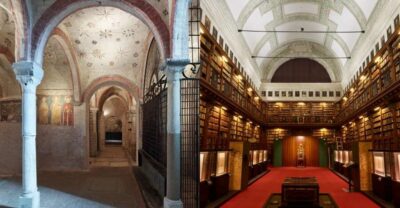
- Leonardo’s 17th-century reading room and Atlantic Codex connections
- Cripta San Sepolcro: medieval Milan under Roman paving
- Why this pairing works: art in one hour, atmosphere in the next
- Value and what you should know before you go
- Who this ticket combo fits best
- Should you book this ticket package?
- FAQ
- How long does the Pinacoteca Ambrosiana + Cripta San Sepolcro ticket take?
- What is included with the ticket?
- Are tour guides or audio guides included?
- Is this ticket a mobile ticket?
- Will I receive confirmation after booking?
- Where is the experience located in terms of transportation?
- Are service animals allowed?
- Can most travelers participate?
- What is the cancellation policy?
Key highlights that make this ticket combo worth your time
- Mobile ticket setup means less paper fuss and a smoother entry day
- Caravaggio, Raphael, Brueghel, and Leonardo in the same visit window
- Leonardo’s Atlantic Codex connection in the 17th-century reading room
- Cripta San Sepolcro’s Roman stone paving links Mediolanum to today’s Milan
- A tight 1 hour 30 minutes to 2 hours plan that fits well between bigger sights
- Review feedback calls out a well-prepared guide and on-time start timing when guidance is available
More of Brera and the Pinacoteca
- Milan: Pinacoteca di Brera Entry Ticket★ 4.5 · 499 reviews
- Milan: Pinacoteca Art Gallery and Brera District Guided Tour★ 4.8 · 326 reviews
- Private Milan Food Walking Tour of Brera★ 5.0 · 217 reviews
Pinacoteca Ambrosiana: Renaissance masterpieces you can actually absorb
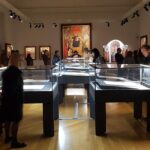
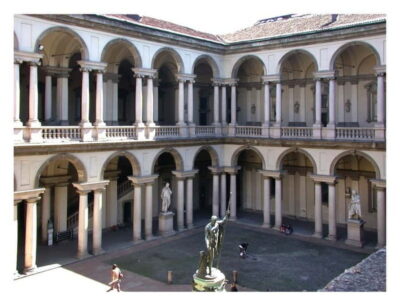
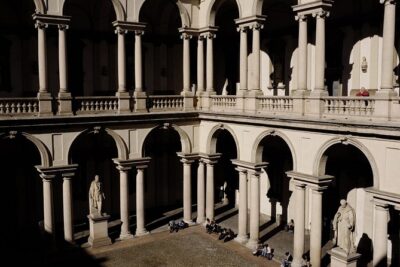
If you’re the type who likes art but gets worn out by slow museum pacing, this stop is built for you. The Pinacoteca Ambrosiana is known for serious masterpieces, and the visit stays focused on what you came for rather than turning into a full-day marathon.
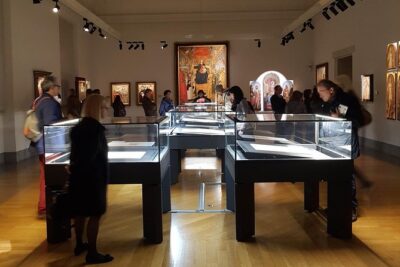
You’ll be able to look for major works that anchor the museum’s reputation, including Caravaggio’s Basket of Fruit. Caravaggio’s subjects feel close, almost staged for you. It’s the kind of painting that rewards steady looking, not rushing.
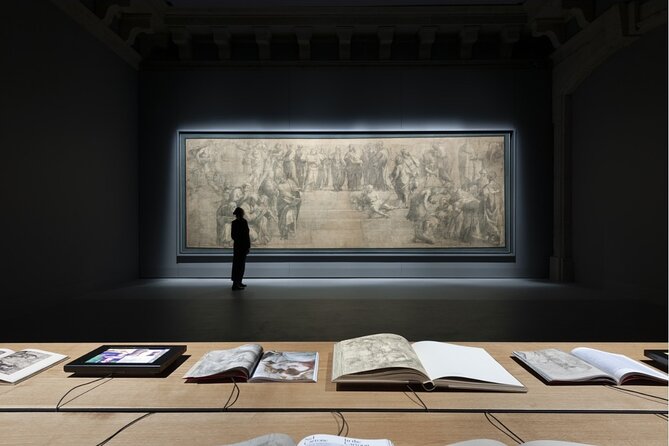
You’ll also see Raphael’s Cardboard for the School of Athens. A “cardboard” can sound odd, but it’s exactly the point: you’re getting closer to how Renaissance artists planned and translated big ideas into finished work. Next, keep an eye out for Brueghel’s Vase of Flowers. Still-life painting might sound simple, but it usually carries a lot of observation in the details—textures, light, and the way an everyday subject becomes a study.
And yes, this museum also connects to Leonardo da Vinci through works on display, including Portrait of the Musician. That’s a useful emotional shift: you go from dramatic Baroque to workshop planning and back again to Leonardo’s particular blend of realism and personality.
Tip for getting value: Pick one painting to spend longer on than the others. If you try to “see everything,” you’ll end up skimming. If you choose one or two to slow down for, the rest of the collection becomes more meaningful.
Leonardo’s 17th-century reading room and Atlantic Codex connections
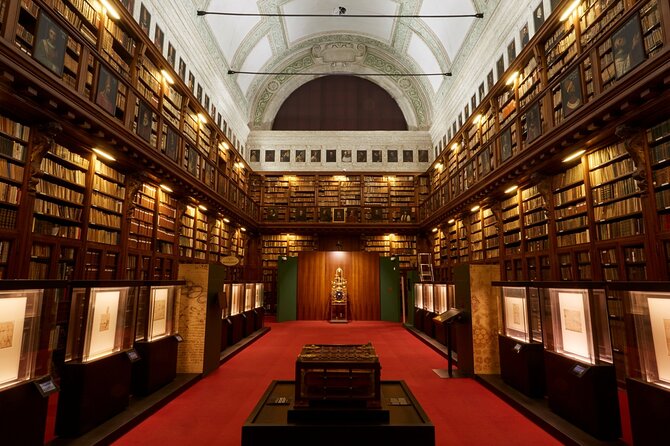
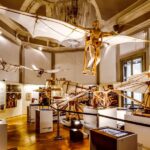
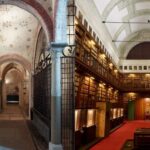
One of the smartest parts of this experience is that it doesn’t treat Leonardo as just another famous name. You get a library experience: the 17th-century reading room tied to original drawings connected to Leonardo’s Atlantic Codex.
Even if you’re not a “museum scholar,” this works. Why? A reading room changes the pace of your brain. Instead of standing in front of a painting trying to decode symbols, you’re in a space made for attention and study. You’ll notice that the mood is calmer, and that makes the Leonardo material feel more immediate.
I like that this adds variety without stretching the schedule. In a city where you can burn hours quickly, this is a good way to see something distinctive that isn’t just the same gallery format again.
Possible consideration: If you’re very short on time, you’ll want to decide early whether you’re spending your deepest attention on paintings, or on the reading-room materials. Both are worth it, but your best experience comes from choosing where you slow down.
Cripta San Sepolcro: medieval Milan under Roman paving
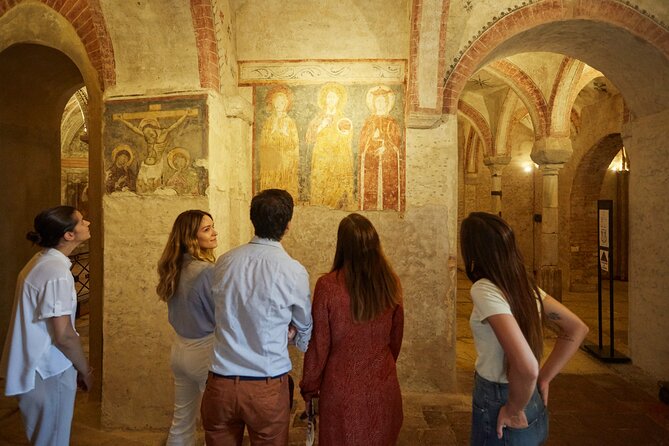
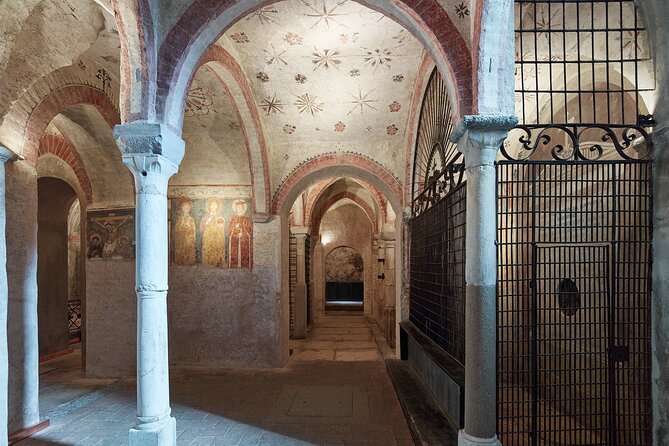
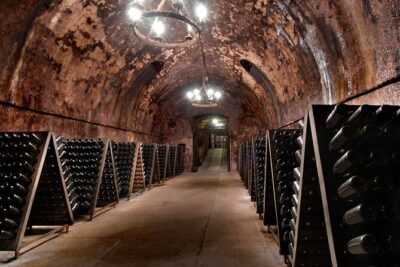
Now for the turn that makes this ticket feel like a real find: the Cripta San Sepolcro. This is a medieval hypogean church—meaning it’s built underground—and it uses paving made from ancient stones from the Roman city of Mediolanum.
That detail matters more than it sounds. When you stand in places like this, you’re not just looking at an artifact. You’re literally walking on the reused material of earlier Milan. It’s one of the easiest ways to feel continuity in a city that keeps rebuilding itself.
The crypt setting also changes your perspective on the time periods you’ve just been seeing above ground. Renaissance art is about belief in human order and technique. Down here, the story becomes about survival, reuse, and what people kept when the city changed.
Tip for comfort: Underground spaces can feel cooler and a bit dimmer. If you’re planning this on a long day, bring a layer you’ll still be comfortable in while you slow down and look around.
A few more we would happily send a friend to in Milan
- Milan: Cathedral and Duomo’s Terraces Entrance Ticket
★ 4.6 · 61,054 reviews - Milan: Guided Walking Tour & Last Supper Visit with Ticket
★ 4.7 · 5,409 reviews - Duomo Terraces Fast-Track Ticket & Optional Duomo Entry
★ 4.5 · 4,870 reviews - Milan: Leonardo3 The World of Leonardo Museum Entry Ticket
★ 4.4 · 3,936 reviews - Milan: Duomo Rooftop and Cathedral Guided Tour with Tickets
★ 4.8 · 2,678 reviews
Why this pairing works: art in one hour, atmosphere in the next
What I really like about pairing these two stops is the rhythm. First, you’re in a controlled museum environment with major artworks you can name on a map: Caravaggio, Raphael, Brueghel, Leonardo. Then you switch gears to a crypt where the “art” is the space itself and the physical link to Roman Mediolanum.
This kind of two-stop plan is also great for practical travelers. You’ll spend about 1 hour 30 minutes to 2 hours total, so it fits into a day that might already include Duomo, navigli strolls, or a late dinner. It’s a compact way to cover both Milan’s artistic reputation and its underneath-the-surface layers.
And because the focus is clear—Pinacoteca then Cripta—you don’t end up wandering with that lost feeling. You have a narrative: masterworks above, ancient stones below.
Value and what you should know before you go
This is an admission ticket that covers entry to both the Pinacoteca and the crypt. There’s no tour guide or audio included, so you’re responsible for making meaning as you go.
That’s not a dealbreaker, but it changes how you should prepare. If you want more context while you walk, you might consider pairing the visit with your own reading on the major artists on display, or arriving with a short list of what you most want to understand.
On the flip side, paying for guided interpretation isn’t always the best move. Some people actually prefer art museums without someone talking nonstop. If you’re that kind of visitor, this ticket can feel very fair: you’re paying for access to two major experiences in one tight window.
One more practical note: the ticket is mobile, and you’ll get confirmation at booking time. That’s useful in a city where paper tickets can become a problem when you’re moving fast.
Who this ticket combo fits best
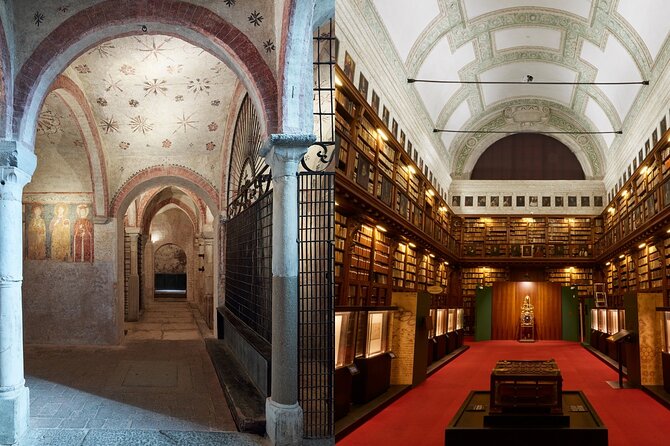
I’d point you toward this option if you want:
- A short, high-impact Milan visit that doesn’t eat your whole day
- Big-name art plus a very different kind of stop that’s still within walking range of your day
- A calm, self-paced outing where you can choose what to linger on
It’s also a decent choice if you like architectural or place-based experiences, not just artworks on walls. The crypt’s reused Roman stones are exactly the kind of detail that turns a quick visit into a memory.
If you want someone to explain every step in detail, you’ll likely need to bring that context yourself since guides and audio are not included.
Should you book this ticket package?
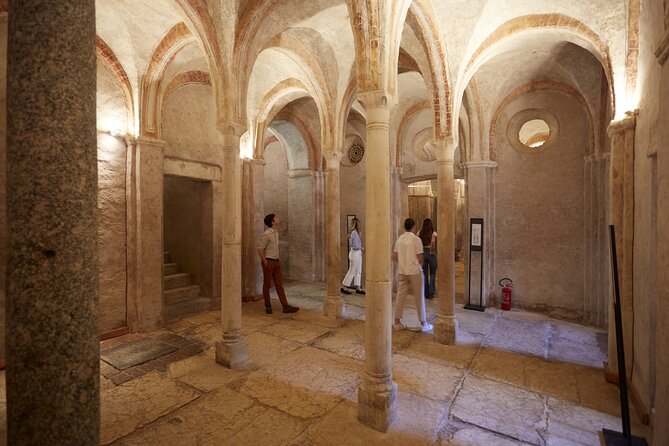
If you’re aiming for efficient value in Milan, I say yes—especially if you’re drawn to major Renaissance names and you like the idea of seeing Milan’s layers from above to below. The schedule is compact, the highlights are clear, and the crypt piece gives the visit a rare sense of physical time.
If you know you’ll feel lost without commentary, this might feel incomplete. In that case, consider how you plan to add context before you arrive. Either way, this combo is a strong way to spend a couple of hours in Milan without wasting that time on generic stops.
FAQ
How long does the Pinacoteca Ambrosiana + Cripta San Sepolcro ticket take?
Plan on about 1 hour 30 minutes to 2 hours total.
What is included with the ticket?
The ticket includes admission to both the Pinacoteca Ambrosiana and the Cripta San Sepolcro.
Are tour guides or audio guides included?
No. Tour guides and audio guides are not included.
Is this ticket a mobile ticket?
Yes, it’s listed as a mobile ticket.
Will I receive confirmation after booking?
Yes. Confirmation will be received at time of booking.
Where is the experience located in terms of transportation?
It’s near public transportation.
Are service animals allowed?
Yes, service animals are allowed.
Can most travelers participate?
Yes, most travelers can participate.
What is the cancellation policy?
Free cancellation is offered. You can cancel up to 24 hours in advance of the experience start time for a full refund. If you cancel less than 24 hours before, you won’t be refunded.
More Tickets in Milan



More Tour Reviews in Milan


More of Brera and the Pinacoteca



Fresh in our Milan notebook



Brera & Pinacoteca Tours, compared.
 ★ 4.6Pinacoteca Ambrosiana and San Sepolcro Crypt TicketFrom $251,331 reviews
 ★ 4.5Pinacoteca di Brera Entry TicketFrom $21499 reviews
 ★ 4.8Pinacoteca Art Gallery and Brera District Guided TourFrom $61326 reviews
 ★ 5.0Private Milan Food Walking Tour of BreraFrom $332217 reviews
 ★ 4.5Pinacoteca Ambrosiana and da Vinci’s Codex Atlanticus admission in MilanFrom $19169 reviews
 ★ 4.5Brera district & Pinacoteca 2-hours guided experience with entrance tickets includedFrom $78121 reviews
 ★ 4.2Pinacoteca Ambrosiana audioguideFrom $432 reviews
Palazzo Citterio and Brera Gallery Combo TicketFrom $2626 reviews
★ 4.2Pinacoteca Ambrosiana audioguideFrom $432 reviews
Palazzo Citterio and Brera Gallery Combo TicketFrom $2626 reviews
Browse the lists this tour appears in