
Reviewed · LAST SUPPER & DA VINCI TOURS
Milan: Leonardo3 The World of Leonardo Museum Entry Ticket
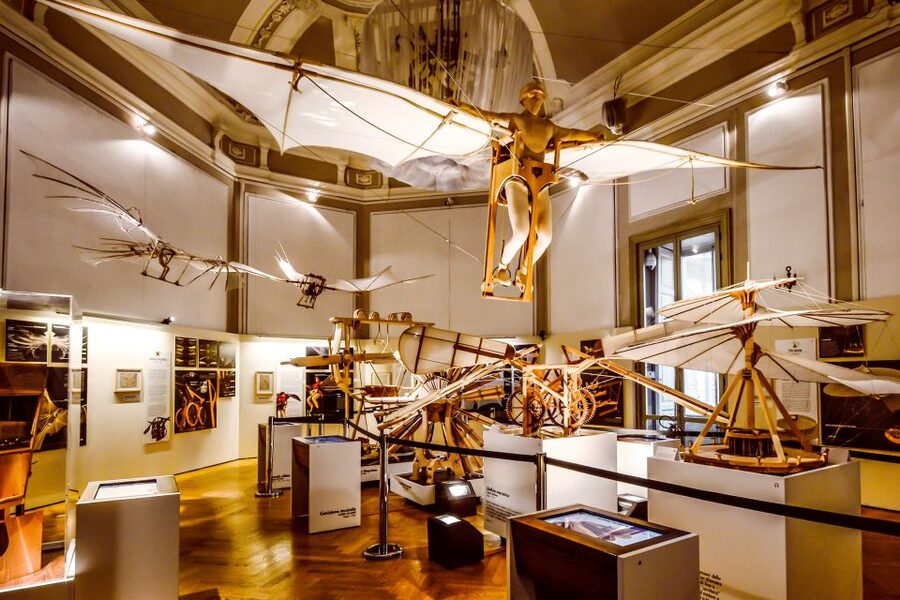
Da Vinci’s machines run on your time. With an entrance ticket to Leonardo3 in Milan, you walk through 3D reconstructions of his inventions built from his manuscripts, plus a digital take on his art. It’s one of those stops that feels science and theater at the same time, set right off Piazza della Scala.
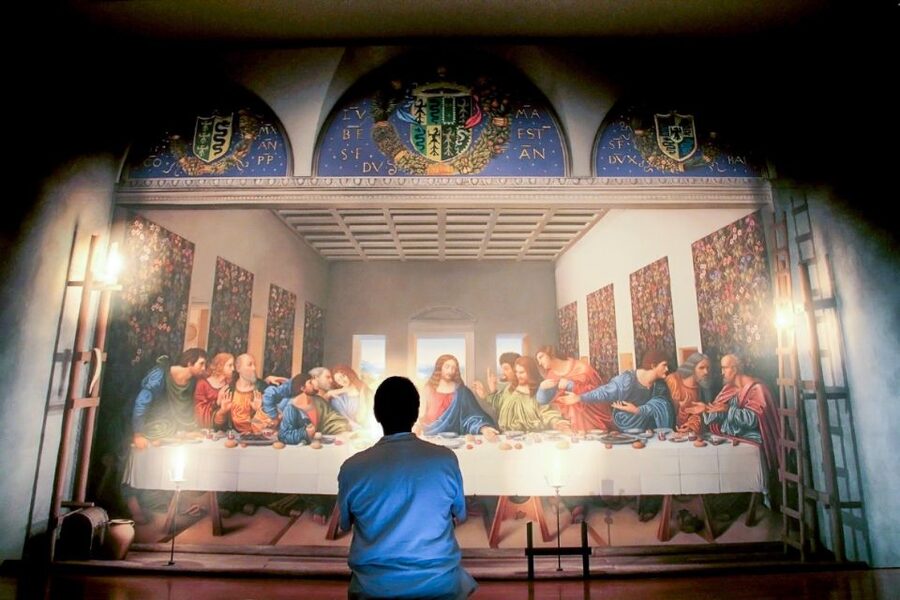
I love the sheer hands-on feel: more than 200 interactive, 3D machines, including models that actually work because they’re based on Leonardo’s own study notes. I also really like the way the museum treats his art and engineering as connected, especially the digital restoration of the Last Supper with optional audioguide storytelling.
One thing to consider: the museum layout is a bit tight, so some interactive areas can feel crowded or hard to get to at busy times, and a few panels may be Italian-focused even if you’re using the audioguide.
In This Review
- Key things I’d mark on your mental map
- Finding Leonardo3 in Milan’s most famous shopping gallery
- What the ticket experience actually feels like (1-day visit, flexible pacing)
- English and Italian hands-on exhibits plus an audioguide that does the heavy lifting
- The heart of Leonardo3: 200+ interactive 3D machines from manuscripts
- A digital Last Supper you can actually linger with
- Screens that let you understand engineering, not just admire it
- Workshops: a rare moment where making beats watching
- Where the museum can feel cramped and how to handle it
- Is $18 good value in Milan?
- Who should book Leonardo3 (and who might want a different plan)
- Should you book Leonardo3? My practical call
- FAQ
- Where do I enter for Leonardo3 in Milan?
- How much does a ticket cost?
- How long should I plan for the visit?
- Is the audioguide included?
- What languages are available on the audioguide?
- Are cameras allowed inside the museum?
- Can I bring food and drinks?
- Is the museum wheelchair accessible?
- Is there a discount at the bookshop?
- What is the cancellation policy?
Key things I’d mark on your mental map
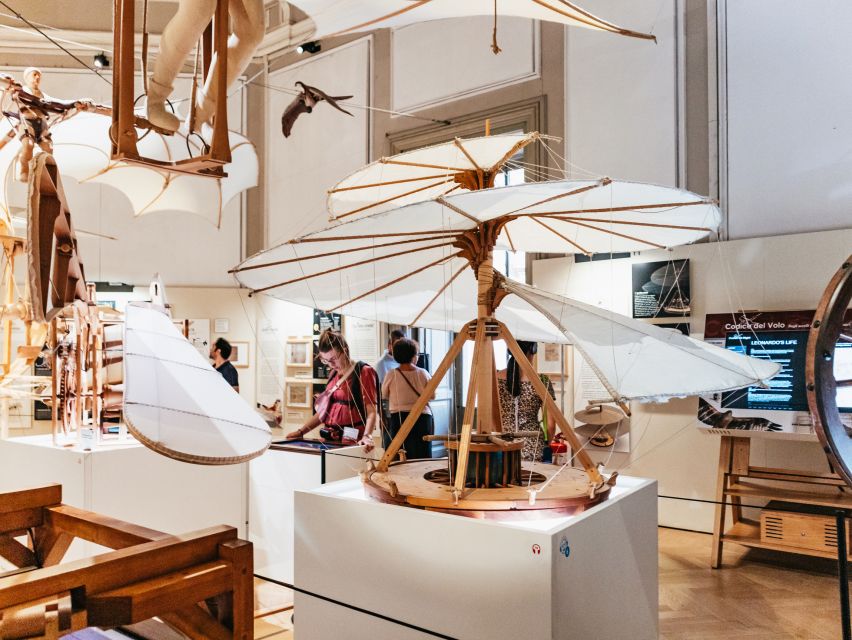
- 200+ interactive 3D machines built from Leonardo’s manuscripts, with models that are meant to function
- Working examples like a mechanical dragonfly, plus screens where you can virtually build and understand the engineering
- Digital restoration of the Last Supper, tied to the church context of Santa Maria delle Grazie
- Audioguide support across multiple languages, with in-exhibit English/Italian for the interactive bits
- Kid-friendly workshops, including a wooden bridge assembly and a printable inventor’s certificate
- A compact floor plan, so plan to move steadily and avoid getting stuck in bottlenecks
More ways to stand in front of the Last Supper
- Milan: Guided Walking Tour & Last Supper Visit with Ticket★ 4.7 · 5,409 reviews
- Milan’s Must See: Half-Day Tour of Last Supper, Duomo & La Scala★ 4.0 · 4,193 reviews
- Milan: Leonardo3 The World of Leonardo Museum Entry Ticket★ 4.4 · 3,936 reviews
Finding Leonardo3 in Milan’s most famous shopping gallery
Your “meeting point” is easy to picture: enter through the Galleria Vittorio Emanuele II, near Piazza della Scala, and show your ticket at the ticket office. This matters more than it sounds. Milan’s center can be busy and signage varies, so having a clear entry cue helps you get inside without losing 30 minutes to wandering.
The Galleria setting also changes the mood. You’re not in a big, quiet museum hall. You’re in a working, central city space, which is part of the appeal for a quick, rewarding detour between bigger sights. I’d treat it like a timed museum visit: arrive ready to look, listen, and move.
What the ticket experience actually feels like (1-day visit, flexible pacing)
This is a one-day admission, and the museum is the kind of place where your visit length depends on how much you stop at each machine and whether you take the audioguide option seriously. People often report spending around 1 to 2.5 hours, with some planning closer to 2–3 hours to slow down and catch everything, especially interactive sections.
Because the space is compact, I recommend this pacing: start with the “high impact” zones first (the machine galleries and the digital Last Supper), then circle back to anything you missed. If you go the other way around, you can end up with crowds around the most popular exhibits while you’re still trying to read panels.
Also, note the basic rules: no food and drinks inside, and no cameras. That keeps the experience focused and helps explain why people often treat it like a “listen and learn” outing rather than a photo-heavy stop.
English and Italian hands-on exhibits plus an audioguide that does the heavy lifting
One reason the museum works for a wide range of visitors is language. The interactive experiences are in English and Italian, and the audioguides come in many languages: Italian, English, Russian, German, French, Spanish, Portuguese, and Chinese.
If you care about understanding the engineering behind what you’re seeing, the audioguide option is the move. I like museums where you can “stay curious” without reading every label. Here, the audioguide is built for that, with Leonardo-focused explanations and context for what the reconstructions mean.
A practical tip from real-world use: a headset fee can come up depending on the setup, and at least one visitor specifically mentioned €5 for headphones. Before you walk in, check what your ticket option includes so you’re not surprised at the counter.
A few more we would happily send a friend to in Milan
- Milan: Cathedral and Duomo’s Terraces Entrance Ticket
★ 4.6 · 61,054 reviews - Milan: Guided Walking Tour & Last Supper Visit with Ticket
★ 4.7 · 5,409 reviews - Duomo Terraces Fast-Track Ticket & Optional Duomo Entry
★ 4.5 · 4,870 reviews - Milan: Leonardo3 The World of Leonardo Museum Entry Ticket
★ 4.4 · 3,936 reviews - Milan: Duomo Rooftop and Cathedral Guided Tour with Tickets
★ 4.8 · 2,678 reviews
The heart of Leonardo3: 200+ interactive 3D machines from manuscripts
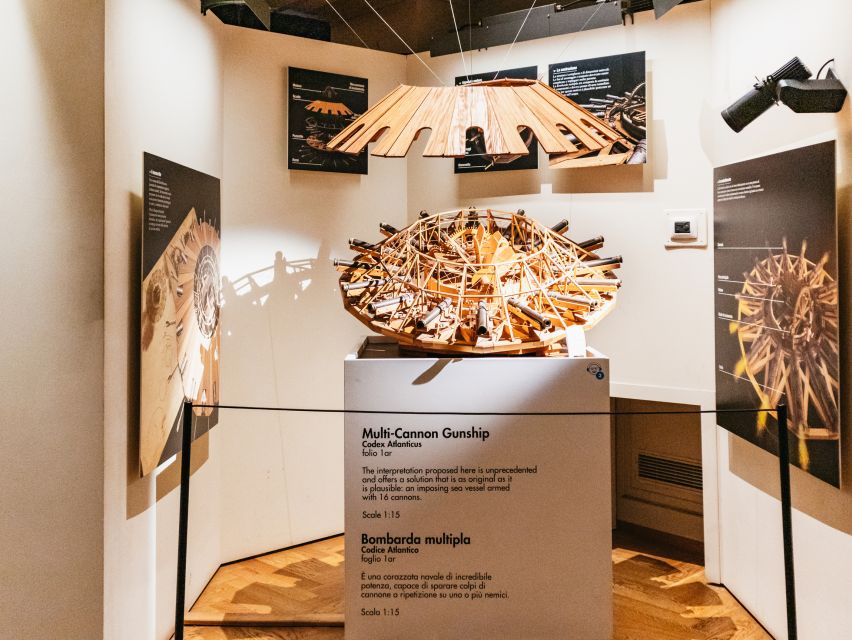
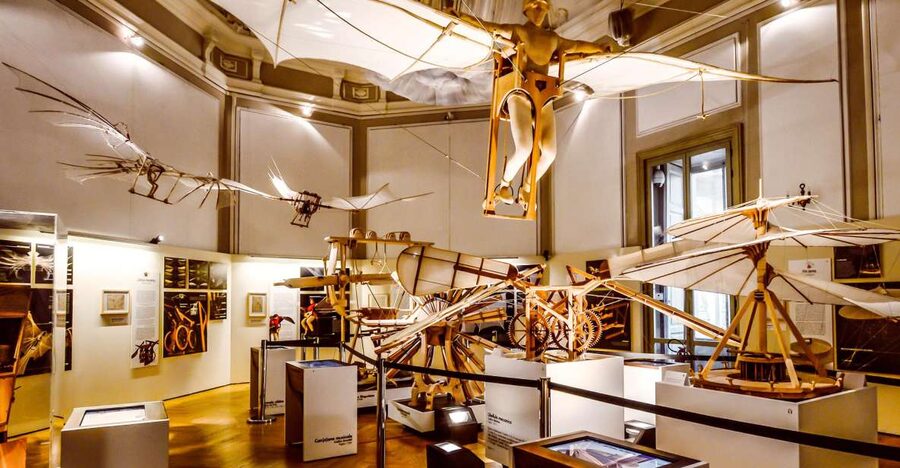
The main event is the machines. You’re looking at more than 200 interactive, 3D models, many designed from Leonardo’s own manuscript studies. What’s different here from a typical exhibit is that you’re not only viewing diagrams or static models. You’re seeing reconstructions that aim to show how Leonardo thought, tested ideas, and translated notes into engineering concepts.
You’ll spot a mix of:
- Life-sized or close-to-life models of inventions
- Interactive stations with digital screens next to exhibits, so you can virtually build or re-create the idea and see how components relate
- Explanations that connect the engineering goal to the sketch or note that inspired it
Some of the most memorable examples include the mechanical dragonfly (a crowd favorite because it feels like pure Leonardo imagination turned into hardware), plus workshop-style concepts where motion, mechanics, and materials are the story, not just the object.
One honest thing to keep in mind: reconstructions are based on study and interpretation. The museum clearly explains how research teams built models from manuscripts, but the end result is still a “how it could have worked” experience. That’s not a deal-breaker; it’s the point. The fun is watching ideas become tangible.
A digital Last Supper you can actually linger with
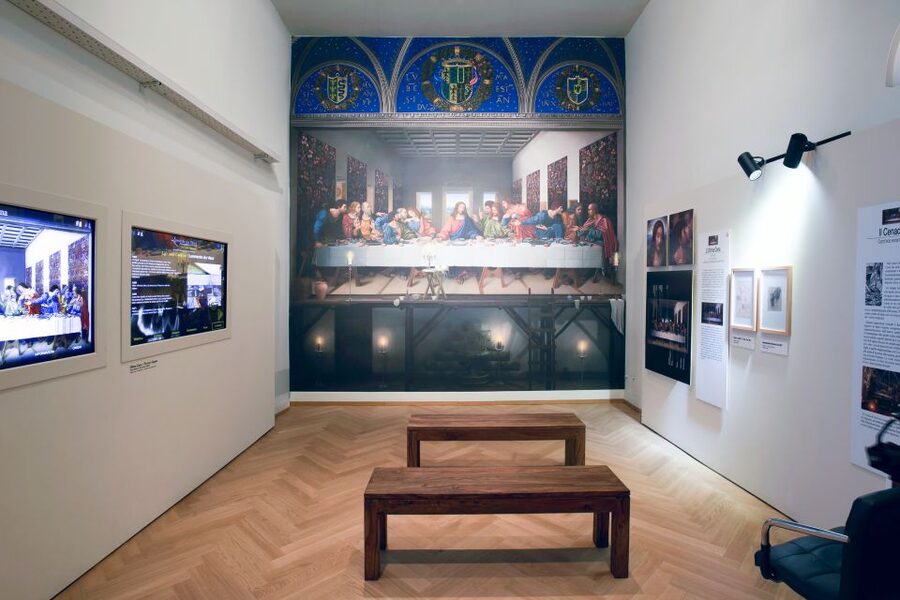
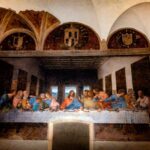
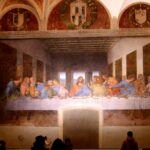
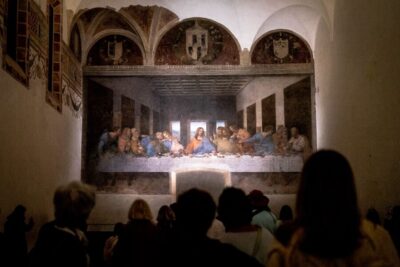
Leonardo is most famous for art, and Leonardo3 doesn’t ignore that. The museum includes an immersive digital restoration of Da Vinci’s Last Supper, presented in the context of Santa Maria delle Grazie.
If you’re hoping to see the real fresco someday, this digital version can be a useful warm-up. It helps you focus on details and composition without the time pressure that comes with timed access elsewhere. If your schedule doesn’t allow the actual church viewing, this becomes a practical alternative that still lets you understand what Leonardo was doing.
Don’t expect it to feel like a photo op. The museum treats it like an exhibit: a chance to connect what you see with explanation, and to compare the restored version with the broader Leonardo world of design and observation.
Screens that let you understand engineering, not just admire it
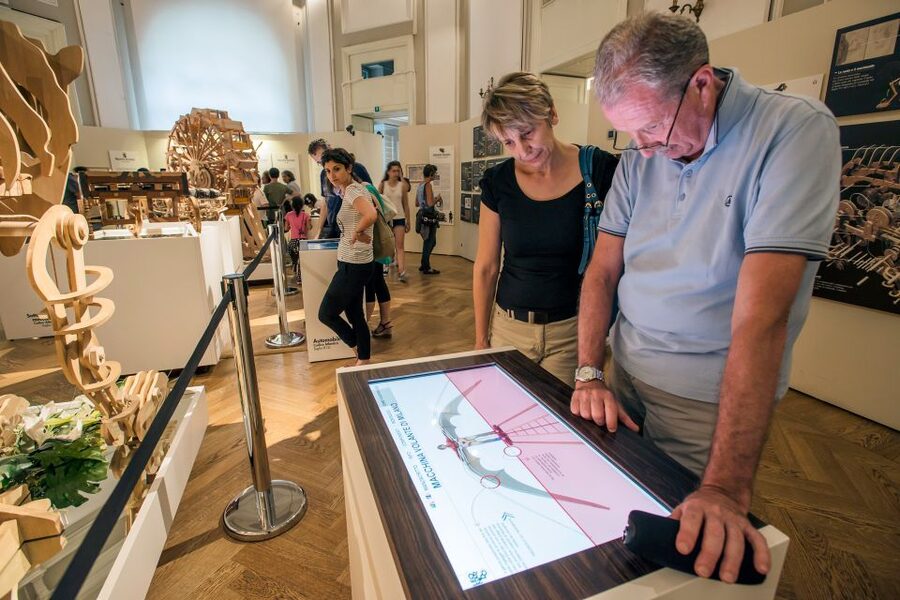
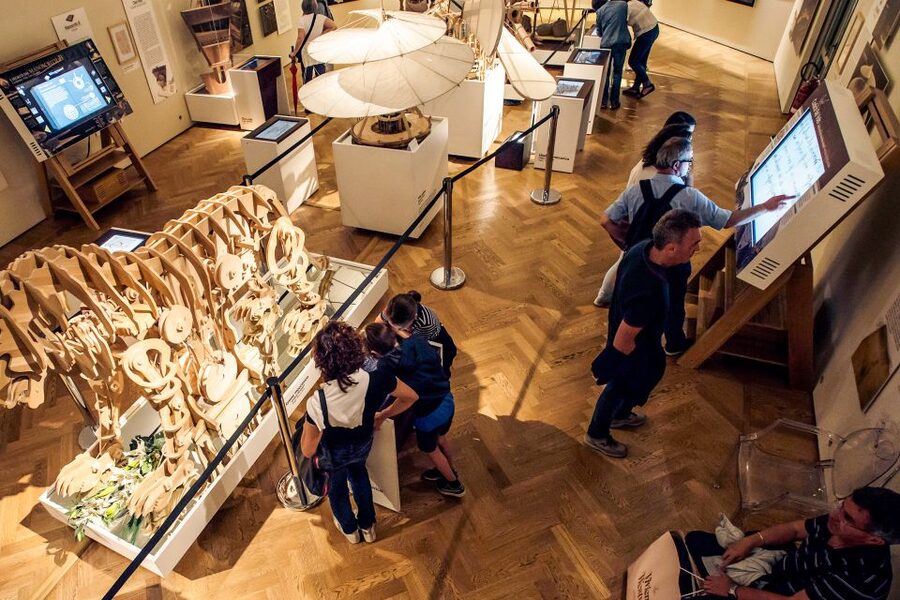
A standout pattern here is how often you’ll see a physical model paired with a screen. Those screens let you explore, build virtually, or follow the logic behind the invention. It’s a simple idea, but it works well.
Without that support, interactive museums can sometimes turn into “try button, see effect, move on.” With these setups, you get a more thoughtful cause-and-effect feel: you’re learning what Leonardo’s notes were trying to solve and how his thinking translates into mechanisms.
In several rooms, you’ll also encounter 3D thinking tied to Leonardo’s codexes. People especially talk about the impressive 3D look at codex material, which helps you see drawings and notes as real working knowledge rather than just historical artifacts.
Workshops: a rare moment where making beats watching
If you’re visiting with kids, the museum’s workshop component is worth planning around. You can take part in activities designed to turn Leonardo’s ideas into something physical, including:
- Printing an inventor’s certificate through a kid-friendly workshop
- Assembling a self-supporting bridge out of wooden parts
- Hands-on building activities that also work for older kids and adults, where you can construct inventions or related components
Even if you don’t do the workshops, the existence of a build-and-make area changes the museum energy. You’re not only observing. You’re briefly participating in the “inventor mindset,” which is exactly what Leonardo3 seems to be aiming for.
Where the museum can feel cramped and how to handle it
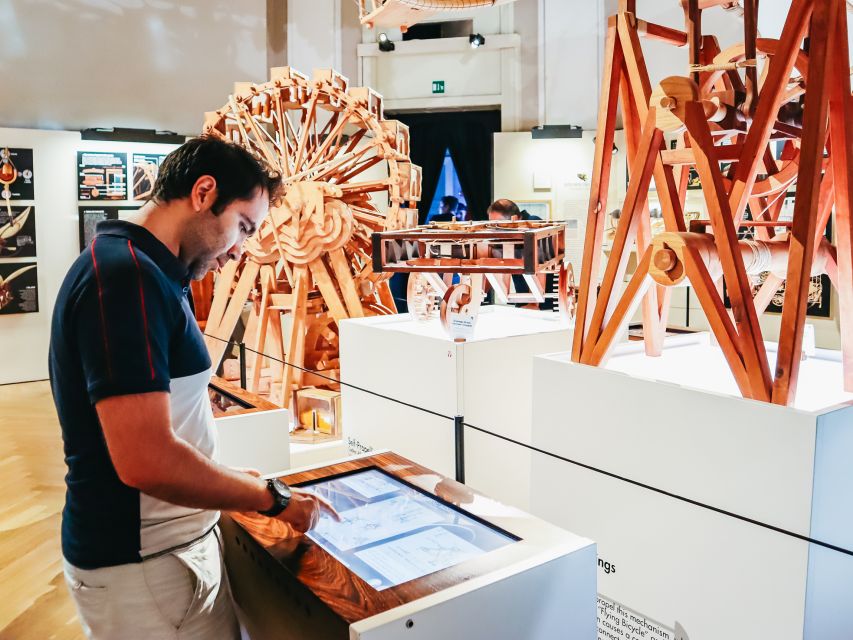
This is a small museum in a prime location, and that can come with trade-offs. A few visitors specifically mention that the layout can feel tight, and some interactive items may be difficult to access when it’s busy.
Here’s how to manage it:
- Start with the exhibits you care about most, before you settle into slower sections
- Don’t linger in front of the most crowded interactions; take a step back, let others pass, then return
- If you want a smoother visit, aim for a calmer time of day rather than the peak rush
Also, watch for text-only Italian panels in some exhibits. The audioguide and the bilingual interactive elements help, but not every screen is guaranteed to be fully translated in the way you’d hope.
Is $18 good value in Milan?
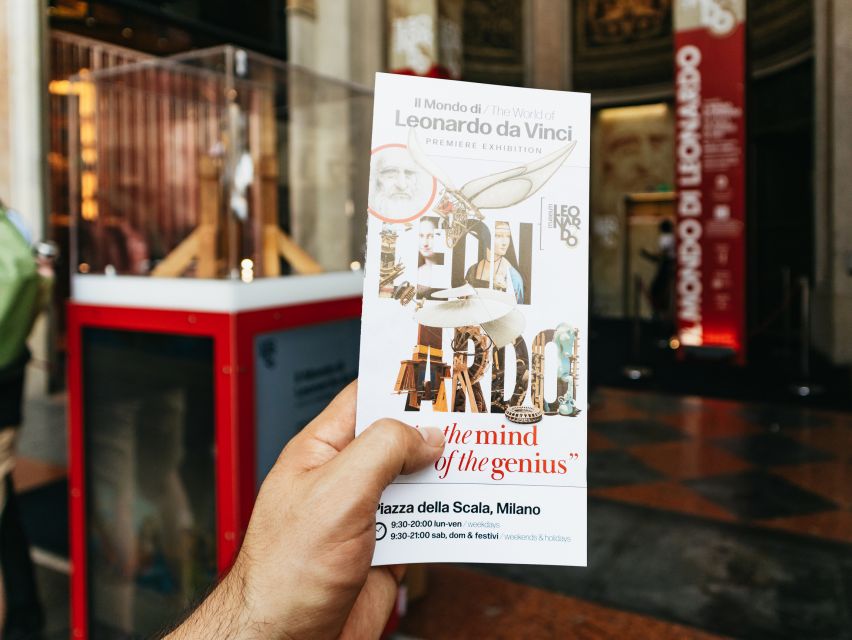
At $18 per person for a 1-day entry, Leonardo3 is strong value if you like hands-on learning and you’re curious about how art and engineering connect. You’re not just paying for “a museum room.” You’re paying for access to a large set of interactive machines, working models, and at least one major digital centerpiece (the Last Supper restoration).
Two reasons the value holds up:
- The experience is structured for active attention: lots of machines, plus screens and audio support.
- It’s short enough for a targeted visit. You can fit it into a day without feeling like you’re committing to an all-afternoon slog.
If you’re traveling as a family, this gets even better. The workshops and interactive models provide multiple ways to engage, so you’re not stuck with a “quiet adult museum” while kids search for something else to do.
Who should book Leonardo3 (and who might want a different plan)
I’d especially recommend it if:
- You like science-meets-art experiences, not just art galleries
- You want interactive learning without needing a complex tour format
- You’re traveling with kids around age 5+ (the workshops and interactive elements are designed to work across ages)
- You’d like a Last Supper experience without relying on church access and timing
You might choose a different option if you hate crowds or want a lot of space to linger quietly at exhibits. Since the museum can feel compact, people who prefer wide, quiet galleries may feel a little squeezed.
Should you book Leonardo3? My practical call
Book it if you want a brainy Milan stop that’s still fun and hands-on. The combination of working 3D machines, manuscript-based reconstructions, optional audioguide storytelling, and the digital Last Supper gives you a lot for your time and money.
Consider checking current conditions before you go, too. One visitor mentioned hearing that the museum could face closure pressure due to retail development in the area. That’s not something you should ignore if you’re planning a tight schedule. A quick status check costs less than a wasted trip.
If you can handle a compact layout and you’re open to learning through machines and screens, Leonardo3 is a smart, memorable addition to your Milan day.
FAQ
Where do I enter for Leonardo3 in Milan?
Enter through the Galleria Vittorio Emanuele II in Piazza della Scala, then show your ticket at the ticket office.
How much does a ticket cost?
The price is listed as $18 per person.
How long should I plan for the visit?
A good planning range is about 1 to 2.5 hours, and some people suggest 2–3 hours if you want more time for interactive parts.
Is the audioguide included?
Museum entry fees are included, and an audioguide is included if you select the option that includes it.
What languages are available on the audioguide?
Audioguides are available in Italian, English, Russian, German, French, Spanish, Portuguese, and Chinese.
Are cameras allowed inside the museum?
No. Cameras are not allowed.
Can I bring food and drinks?
No. Food and drinks are not allowed.
Is the museum wheelchair accessible?
Yes, it is wheelchair accessible.
Is there a discount at the bookshop?
Yes. You get a 10% discount at the bookshop on books by showing your GetYourGuide voucher at the counter.
What is the cancellation policy?
You can cancel up to 24 hours in advance for a full refund.
More Tickets in Milan



More Tour Reviews in Milan



More Last Supper Tickets and Tours

Fresh in our Milan notebook



Last Supper & Da Vinci Tours, compared.
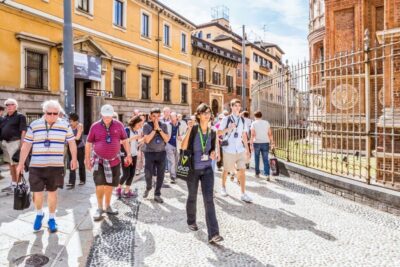 ★ 4.7Guided Walking Tour & Last Supper Visit with TicketFrom $1015,409 reviews
 ★ 4.0Milan’s Must See: Half-Day Tour of Last Supper, Duomo & La ScalaFrom $1304,193 reviews
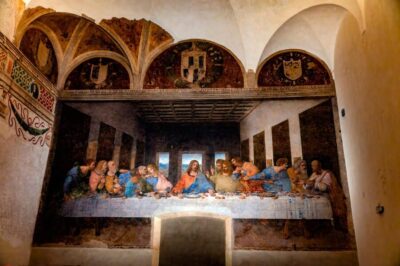 ★ 4.7Last Supper Guided VisitFrom $752,854 reviews
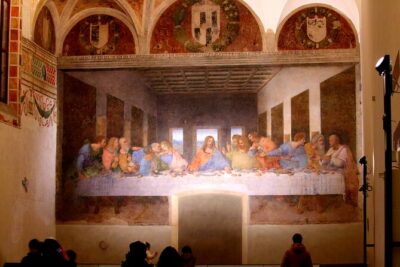 ★ 4.5Milan Duomo & The Last Supper Skip-the-Line Small Group TourFrom $1262,761 reviews
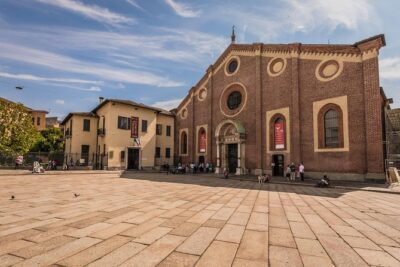 ★ 4.5Historic Milan Tour with Skip-the-Line Last Supper TicketFrom $1111,976 reviews
 ★ 4.6Last Supper Guided TourFrom $691,837 reviews
 ★ 4.6Last Supper Entrance Ticket and Guided TourFrom $881,792 reviews
 ★ 4.5Best of Milan Experience Including Da Vinci’s The Last Supper and Milan DuomoFrom $1141,516 reviews
Browse the lists this tour appears in