
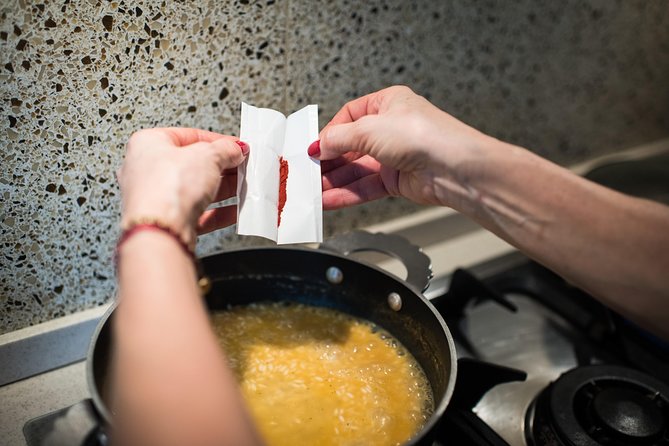
Reviewed · MILAN COOKING CLASSES
Cesarine: Cooking Class with tasting at Local’s Home in Milan
Cooking in Milan is more than a meal. It’s a hands-on way to learn how Italian comfort food is built, step by step, right in a local home. You’ll cook alongside a host, then sit down to enjoy what you make with local wine, which is a big part of why this experience feels so much more human than a restaurant class.
Two things I really like: you leave with practical skills (not just a plated demo), and the setup is private, so your host can pace the class for your group. A small consideration: since it’s hosted in a home, you’re not in a big cooking school studio, so the space and timing can feel more casual and personal than highly scripted.
In This Review
- Key Things to Know Before You Go
- A Milan Home Kitchen Is the Real Luxury
- What Happens During the 3 Hours (and Why It Works)
- The Starters: Seasonal and Made for Sharing
- Main Course Options: Pizzoccheri, Risotto, or Lasagna
- Dessert: Sbrisolona, Tiramisu, or Something Similar
- Wine Pairing: The Meal Part You’ll Remember
- Hosts and Personalization: How the Class Gets Tailored
- Getting There in Milan: Meeting Point and Transit Convenience
- Sanitary Setup: What the Home Provides
- Price and Value: When $174.61 Is a Good Deal
- Who This Cooking Class Fits Best
- The Bottom Line: Should You Book This in Milan?
- FAQ
- How long is the cooking class?
- Is this a private experience?
- Where does the experience take place?
- What language is the class offered in?
- What do I cook and eat?
- Is there wine during the meal?
- Do I get a mobile ticket?
- Is the meeting point near public transportation?
- Can I cancel for a full refund?
- Is there any guidance on sanitary rules?
Key Things to Know Before You Go
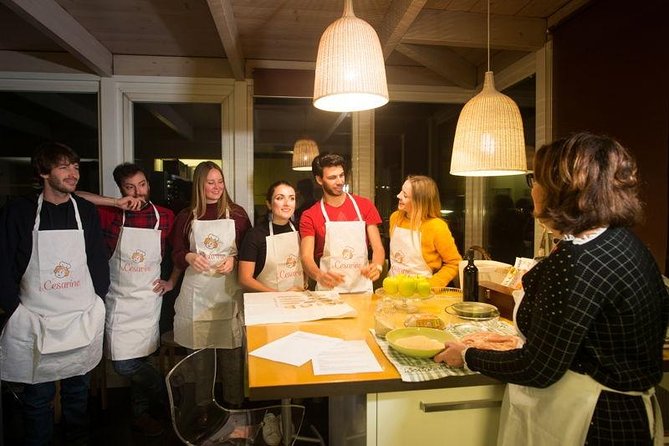
- Private home setting in Milan with just your group
- Three-course cooking from start to finish, not a quick tasting-only stop
- Local wine with your meal, so you eat what you cooked
- Menu choices like pizzoccheri, risotto, lasagna, and desserts such as sbrisolona or tiramisu
- Sanitary rules in the home, including guidance on distance and available equipment
- English instruction plus a mobile ticket and a meeting point near public transportation
Hands in the flour, in a Milanese kitchen
- The Secrets to Learn Fresh Pasta and Tiramisù in a Glam Home★ 5.0 · 1,182 reviews
- Milan: Pasta and Tiramisu Cooking Class with Wine★ 4.8 · 1,106 reviews
- Gnocchi, Pasta, Tiramisù and Wine Class★ 5.0 · 691 reviews
A Milan Home Kitchen Is the Real Luxury
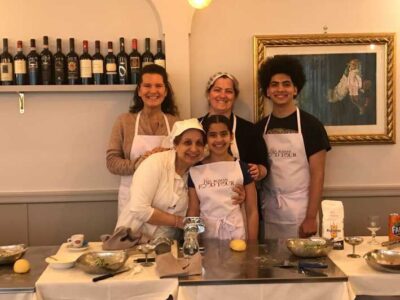
This class is basically you getting invited into a real Milan kitchen. That sounds simple, but it changes the whole vibe. In a home, the cooking feels grounded: you’re learning what locals actually do, with the same kind of seasonal ingredients and practical know-how that doesn’t show up in quick tourist tastings.
I also like that the experience is private. One group at a time means you’re not squeezed into a schedule designed for a full classroom. Your host can answer questions as they come up, and you’ll get more of the “why” behind the techniques—how a sauce tightens, how pasta dough behaves, or what to watch for while something simmers.
The other luxury here is the meal itself. This isn’t just “taste a bite.” You sit down and eat the results, paired with local wine. If you care about food as a story—seasonality, region, and small decisions—this format really supports that.
What Happens During the 3 Hours (and Why It Works)
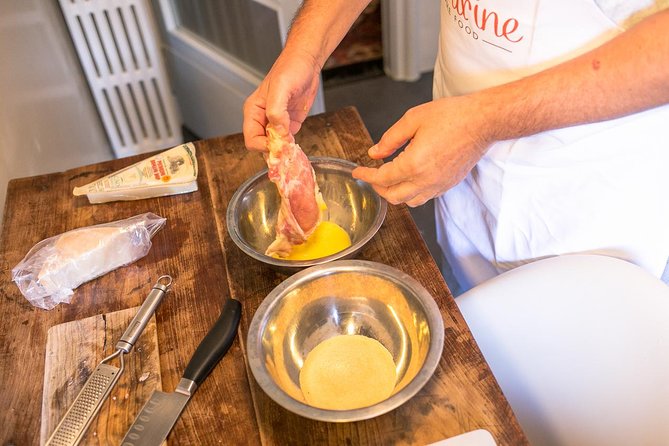
You’ll spend around three hours total, and the flow matters. A good cooking class has a rhythm: get organized, cook actively, then eat calmly. This one follows that pattern.
First, you meet your host and settle in at the home. From there, you’ll work through three courses: a starter, a main, and a dessert. You’re not just watching someone else cook while you stand back. You prepare food yourself, and your host stays close enough to correct technique and timing.
What makes it especially valuable is the “start to finish” piece. Cooking the main dish isn’t the only act—there’s also prep, dough and sauce decisions (depending on the course), and then finishing touches right before you eat. That gives you a clearer mental map of how Italian dishes come together.
A quick word on pace: since it’s a private home experience, things may feel slightly less rigid than a big-ticket tour. If you’re the type who loves strict minute-by-minute structure, you might need to relax into the more personal flow.
The Starters: Seasonal and Made for Sharing
The starter is listed as a seasonal starter. That wording is actually a plus. In Italy, seasonal changes aren’t marketing—they affect what tastes right and what’s available fresh. You’re likely to work with ingredients that feel “current” for Milan rather than a fixed menu designed months in advance.
From past classes like these, hosts sometimes lean into ingredients and combinations that make sense locally—things that are easy to eat at the table, but still taught with technique. One example from hosts in similar settings: you may see an appetizer style that includes elements like anchovy paired with creamy dairy, built to wake up your palate before pasta-heavy dishes.
If you’re a bit picky, focus less on the exact starter name and more on the approach: you’re learning how to build flavor fast using seasonal choices.
A few more we would happily send a friend to in Milan
- Milan’s Authentic Street Food tour: A Gourmet Experience
★ 4.5 · 717 reviews - Small-Group Barolo Wine Tasting, Alba & UNESCO Piedmont Hills
★ 5.0 · 689 reviews - Milan: Guided Street Food Walking Tour with Food Tasting
★ 4.8 · 654 reviews - Milan: Sunset Navigli Food & Drinks Tour by Do Eat Better
★ 4.5 · 517 reviews - Milan: Italian Cooking Class with Food and Wine
★ 4.7 · 509 reviews
Main Course Options: Pizzoccheri, Risotto, or Lasagna
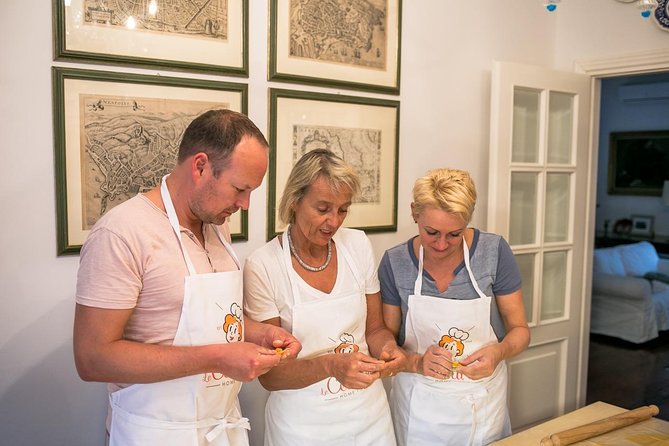
Your main course will be one of three: Pizzoccheri, risotto, or lasagna. This is important for two reasons.
First, it means the class can fit different tastes. If you want something hearty and pasta-forward, pizzoccheri delivers. If you’re drawn to texture and patience, risotto teaches timing and stirring. If your comfort food goal is layers and crowd-pleasing reliability, lasagna hits the mark.
Second, the chosen main shapes your learning focus. You’ll probably handle pasta work if the menu leans toward pizzoccheri, and you’ll likely practice sauce assembly and baking or layering if lasagna is your course. If risotto is the route, you’ll get practical guidance on building a creamy result without rushing.
One detail that stuck with me from the kind of dishes hosts describe in these home classes: you may also get accompanying elements that feel Milan-ish and satisfying, like polenta served with creamy stracciatella and a savory topping. That’s the kind of “small extra” that makes the meal feel like a proper evening, not just a class syllabus.
Dessert: Sbrisolona, Tiramisu, or Something Similar
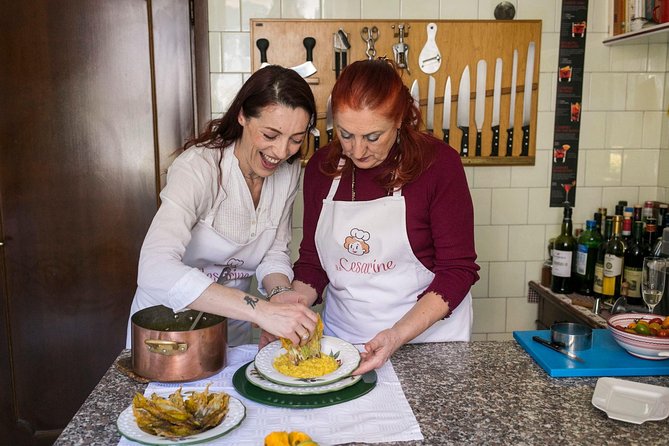
For dessert, the options include sbrisolona or tiramisu, or a typical similar dessert. Here’s why this matters: Italian desserts often teach you a different kind of technique than savory cooking—texture, balance, and finishing.
- Tiramisu tends to focus on layering and the right moisture level. You learn how to combine creamy components without turning everything soggy.
- Sbrisolona is more about texture and method—often built around flour-based crumb and structure, not whipped frosting energy.
- If it’s a similar dessert, you’ll still come away with a clearer sense of how Italian home cooks think about sweet timing.
One host example shared from comparable private classes: making tiramisu can be a real highlight, with guidance that helps you get the taste right the first time, not just the look.
Wine Pairing: The Meal Part You’ll Remember
You’ll taste what you made with a glass of local wine. That pairing is practical. Wine isn’t served as a separate event—it’s there to help you experience how flavors work together as a full plate.
This format also makes the class feel earned. You cook, you eat, and you reflect on what you did right. If you’re the kind of person who wants to taste food in its proper context, this is a strong choice.
And yes, you’ll likely get conversation. In home settings, hosts often take time to share cooking stories and regional details. One example from these classes involves an aperitif prepared by the host before dinner-style eating begins—exactly the kind of welcome that makes you feel like you’re part of the kitchen rhythm.
Hosts and Personalization: How the Class Gets Tailored
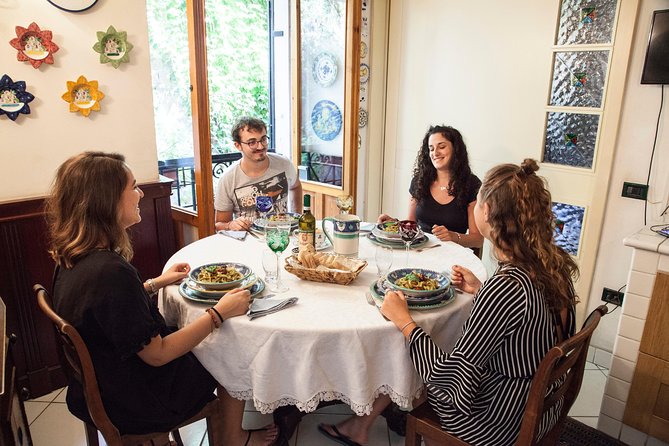
This is a private class with only your group. That single detail creates a big difference in how the host can teach.
You might get:
- more hands-on time because there’s less crowding
- clearer explanations as you cook
- adjustments based on your questions or comfort level
In classes led by hosts such as Fabio and Nicoletto, people have highlighted the warmth and the way the host guides hands-on pasta-making, including shaping ravioli from fresh pasta dough and teaching technique rather than just timing. Other hosts, like Sandra, have been described as making cooking fun while also sharing regional context and even offering day-trip suggestions related to Northern Italy. Beatrice-led sessions have also been praised for teaching with seasonal local ingredients and paying attention to flour types and processing.
Even if your host isn’t the same, the point stays: you’re not stuck with a scripted menu or a rushed explanation. You’re learning from someone who cooks like it’s normal life.
Getting There in Milan: Meeting Point and Transit Convenience
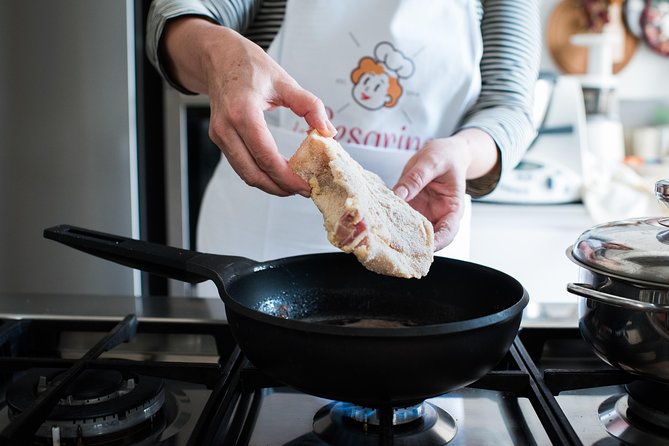
The experience starts in Milan and ends back at the meeting point. That matters because you’re not guessing how to end your evening after cooking.
It’s also described as near public transportation. That’s a real quality-of-life detail in Milan. You can plan dinner after without turning the cooking class into a transportation problem.
Still, Milan has its own “arrive on time” reality. Home locations can be a little hard to find if you’re late or distracted. Give yourself a bit of buffer and you’ll avoid the usual stress.
Sanitary Setup: What the Home Provides
This experience includes specific notes about sanitary care. The homes provide essential sanitary equipment for guests, like hand sanitizing gel and paper towels for washing hands. There’s also guidance about maintaining 1 meter distance, and if you can’t, masks and gloves are mentioned.
I like that it’s not vague. You’ll know what’s expected in advance. For a home setting, this kind of clarity helps you feel comfortable without making the experience feel clinical.
Price and Value: When $174.61 Is a Good Deal
At $174.61 per person for about three hours, you might wonder if this is “worth it” compared with a standard cooking class. Here’s how I’d judge the value.
You’re paying for three things:
- Private instruction (just your group)
- Full meal format (starter, main, dessert) plus local wine
- A home environment where cooking feels personal, not performed
If you’re the type who enjoys cooking and wants an actual takeaway you can recreate, that private factor is huge. Group classes can teach you techniques, but they often move fast and limit your questions. Here, the home setup supports a slower, more personal pace.
Also, the menu isn’t one-size-fits-all. You may cook dishes like pizzoccheri, risotto, or lasagna, and desserts like sbrisolona or tiramisu. That flexibility helps the experience stay tied to what’s happening seasonally and what ingredients are available.
One practical point: it’s often booked around 20 days in advance on average. If your travel dates are tight, don’t wait too long to reserve.
Who This Cooking Class Fits Best
This is a great match if:
- you want hands-on cooking in Milan, not just eating
- you like learning from a host in a real home setting
- you enjoy Northern Italian comfort foods like risotto, pasta, and layered dishes
- you’re traveling with a small group and want a private evening
It might not be the best fit if:
- you prefer large-group social experiences with lots of new faces
- you dislike any idea of working around a home environment (smaller space, more informal flow)
- you need a very strict schedule with zero flexibility
The Bottom Line: Should You Book This in Milan?
I’d book this if your goal is to leave with both a full meal and real cooking confidence. You get three courses, instruction in English, local wine, and a private home host—an experience that feels like more than a ticket.
If you want a quick bite and a photo, you can find cheaper options. But if you want an evening where you cook, sit down, and feel like you learned something you can reuse at home, this is a strong value.
FAQ
How long is the cooking class?
The class lasts about 3 hours.
Is this a private experience?
Yes. It’s private, and only your group will participate.
Where does the experience take place?
It starts in Milan, Milan, Lombardy, and ends back at the meeting point.
What language is the class offered in?
The experience is offered in English.
What do I cook and eat?
You’ll prepare and eat a starter (seasonal starter), a main (pizzoccheri, risotto, or lasagna), and a dessert (sbrisolona cake, tiramisu, or similar typical dessert).
Is there wine during the meal?
Yes. Your meal is paired with local wines.
Do I get a mobile ticket?
Yes. You’ll receive a mobile ticket.
Is the meeting point near public transportation?
Yes, it’s noted as near public transportation.
Can I cancel for a full refund?
Yes. You can cancel up to 24 hours in advance of the experience for a full refund. If you cancel less than 24 hours before the start time, the amount paid is not refunded.
Is there any guidance on sanitary rules?
Yes. The homes provide sanitary equipment like hand sanitizing gel and paper towels, and there’s guidance about maintaining 1 meter distance. If you can’t maintain distance, masks and gloves are mentioned.
More Food & Drink in Milan





More Tour Reviews in Milan






More Milan Cooking Classes




Fresh in our Milan notebook






Milan Cooking Classes, compared.
 ★ 5.0The Secrets to Learn Fresh Pasta and Tiramisù in a Glam HomeFrom $901,182 reviews
 ★ 4.8Pasta and Tiramisu Cooking Class with WineFrom $611,106 reviews
 ★ 5.0Gnocchi, Pasta, Tiramisù and Wine ClassFrom $83691 reviews
 ★ 5.0Pasta and Tiramisu Small Group Cooking Class with WineFrom $83660 reviews
 ★ 5.0Milan Cooking Class: Authentic Pizza & Gelato MakingFrom $78582 reviews
 ★ 4.7Italian Cooking Class with Food and WineFrom $80509 reviews
 ★ 4.9Fresh Pasta & Tiramisù Class in a Glamorous HomeFrom $88478 reviews
 ★ 5.0Milan Culinary Experience: Pasta & Gelato or Tiramisù ClassFrom $85337 reviews
Browse the lists this tour appears in