
Reviewed · HISTORICAL TOURS
Cinematic & Classical Organ Experience in Historic Church
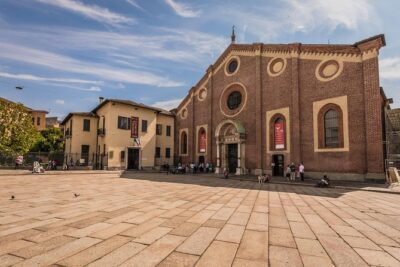
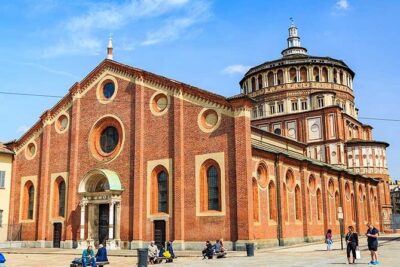
Milan has a side you don’t see on selfies. In a 16th-century church, you get an acoustic lesson where pipe organ sound plays like both classical tradition and movie magic. It’s inside the Church of Sant’Angelo (sometimes listed with the longer Santa Maria degli Angeli name), and the whole point is how the instrument interacts with the stone room around it.
I especially love the organist-led contrasts: solemn Italian styles beside modern film themes like Interstellar, plus the emotional punch associated with Ennio Morricone and Game of Thrones. I also like the format, which isn’t a generic concert; it comes with real historical context and explanations of the organ as an engineering marvel.
One consideration: this is only 1 hour, so if you want a long, sit-and-stare performance with minimal talking, you may find the guided pace a bit more instructional than purely musical. Also note the venue rules—no smoking indoors, no alcohol or drugs, and no tight clothing.
In This Review
- Key things to know before you go
- Why Milan Sounds Different in a Sant’Angelo Church Setting
- The Pipe Organ: The King of Instruments, Explained in Plain Ears
- Italian Classics and Movie Themes: Hearing Comparisons, Not Just Songs
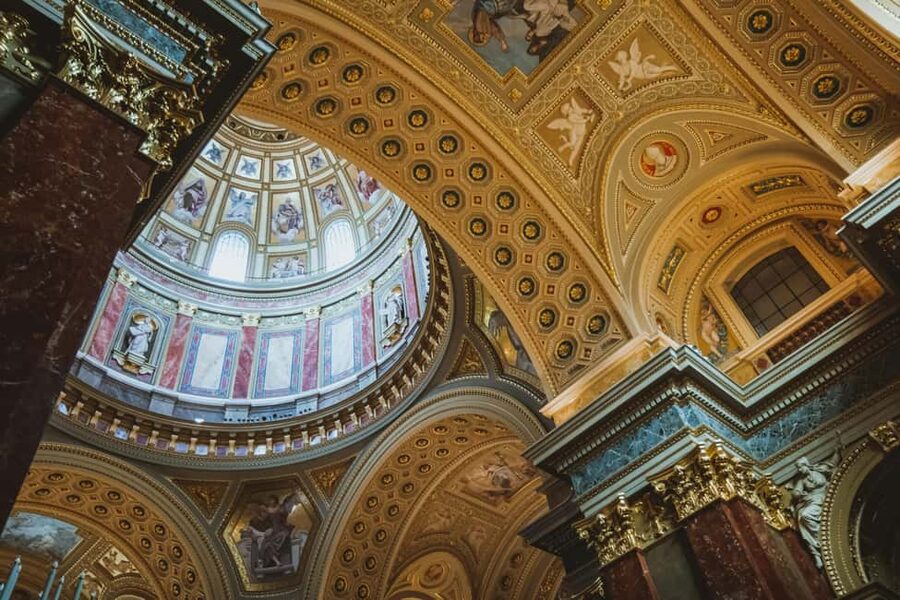
- The Church Space Itself: Why the Architecture Matters
- What Happens During Your 1-Hour Visit (So You Don’t Feel Lost)
- Price and Value: Is $29 Worth It for Milan?
- Who Should Book This Pipe Organ Experience
- Practical Tips for a Smooth Visit in Lombardy
- Should You Book This Cinematic and Classical Organ Experience?
- FAQ
- Where does this experience take place?
- How long is the experience?
- What is the price?
- Is it a standard concert?
- What kind of music will I hear?
- Will the organist demonstrate different sounds?
- What languages are available?
- Is it wheelchair accessible?
- Can I cancel and get a refund?
- Are there rules for the venue?
Key things to know before you go
- A real pipe organ demo, not background music in a church
- Classical vs cinematic sound explained side-by-side for your ears
- Italian musical context tied to the space and its architecture
- Cinematic themes including Interstellar and Game of Thrones in organ form
- Maestro De Vita is mentioned in attendee praise for an impressive performance
- Excellent acoustics in a monumental historic church setting
A few more we would happily send a friend to in Milan
- Historic Milan Tour with Skip-the-Line Last Supper Ticket★ 4.5 · 1,976 reviews
- Step Into History: Leonardo Vinci’s Last Supper Tour★ 4.5 · 175 reviews
- Milan : Historic Private Walking Tour★ 4.7 · 49 reviews
Why Milan Sounds Different in a Sant’Angelo Church Setting
If you’ve ever heard a pipe organ only in recordings, this experience hits in a practical way: you hear how sound behaves when it has to travel through a high-ceilinged stone space. The Church of Sant’Angelo is the star here, and the show is designed around the fact that this kind of room makes organ tones bloom, overlap, and linger.
You’re not just walking in to look around. You’re being guided into a listening mindset. That matters because organ music rewards attention: one chord can feel like a whole “scene,” and different stops can shift the character fast. I like that you’re given a framework for what to listen for instead of being dropped in front of a console and left to guess.
This is also a Milan experience that feels more local than tourist-scheduled background entertainment. You get a sense of how Italian sacred architecture and Italian music thinking meet. It’s a smart contrast to the city’s more typical sights: you get culture you can actually hear.
The Pipe Organ: The King of Instruments, Explained in Plain Ears
Pipe organs can feel mysterious until someone shows you how they work. Here, the organist demonstrates the instrument’s versatility and helps you connect the sound you hear to what’s behind it. The organ is often described as the King of Instruments, and the key idea is that it can “speak” in many voices while still projecting like a full ensemble.
That’s why the organ comparisons are the heart of the program. You hear how it can mimic a fuller orchestral palette—without needing a literal orchestra on stage. When you understand that, organ music stops being “one instrument doing everything,” and starts being “one instrument doing arrangements through different timbres.”
I also liked the way the experience uses both tradition and modern references. The contrast between Italian classical masters and cinematic themes isn’t there just for variety. It’s there to show you that the organ’s power is flexible: it can be solemn, dramatic, and intensely emotional depending on how the player shapes the sound.
One more detail from attendee comments that’s worth mentioning: some performances use digital elements (themes from files/recordings) that then come to life through the real instrument. That can make the experience feel less like museum history and more like sound you can track in real time.
Italian Classics and Movie Themes: Hearing Comparisons, Not Just Songs
The program leans into contrasts, and it does it with intention. You’ll hear a curated mix of Italian classics and cinematic scores, including themes associated with Interstellar, Ennio Morricone, and Game of Thrones. Even if you don’t know the classical pieces well, you can still follow the emotional logic: slow and weighty sections land differently than fast, suspense-heavy writing.
Here’s what makes that valuable for your ears. In film music, tension and release are often engineered with harmony, rhythm, and texture cues. In many Italian classical traditions (especially the kind linked to church performance), expression can come from phrasing, resonance, and the way the instrument sustains. When the same organ performs in both worlds, you can hear which musical features drive the feeling.
I find that to be the most “transferable” part of the experience. You leave not just knowing a few titles, but knowing what to listen for in future concerts—how timbre changes meaning, how sustained notes carry architectural weight, and how dynamics can feel bigger in a cathedral-like room.
- Milan: Cathedral and Duomo’s Terraces Entrance Ticket
★ 4.6 · 61,054 reviews - From Milan: Como Private Boat, Bellagio and Lugano Day Trip
★ 4.8 · 6,271 reviews - Milan: City Sightseeing Hop-On Hop-Off Bus with Audio Guide
★ 4.0 · 6,256 reviews - Milan: Milan Cathedral Direct Entrance – Terrace Excluded
★ 4.5 · 5,782 reviews - Milan: Guided Walking Tour & Last Supper Visit with Ticket
★ 4.7 · 5,409 reviews
The Church Space Itself: Why the Architecture Matters
This show works because it treats the church like an instrument partner. Historic churches don’t just provide a backdrop. Their structure affects clarity, echo timing, and where bass and high harmonics land in your body.
You’ll feel that during the organ’s range demonstrations. The experience is built around the idea that the “historic stones” and the pipework voices are linked. That’s not poetic fluff—it’s physics. In these spaces, sound can arrive at you from multiple paths, and that changes how chords feel when they overlap.
That’s also why the experience is more reflective than just entertainment. In a spiritual venue, the tone is naturally quieter, more respectful. You can sense the venue asking you to listen rather than watch.
If you’re the type who loves architecture but usually sees it with your eyes only, this is a way to “read” the building with your hearing. You’ll probably start thinking about where sound bounces, not just what’s painted or carved.
What Happens During Your 1-Hour Visit (So You Don’t Feel Lost)
Because the duration is short, you get a focused program. You’re looking at roughly one hour of guided experience, so the show doesn’t sprawl into a full evening event.
In that hour, the included elements generally work like this:
- You begin with an intro and listening setup so you know what the organist is about to demonstrate.
- The organist performs an acoustic demonstration, showing the instrument’s range and versatility.
- You then get historical context—why these musical styles belong in this kind of space, and how the architecture and performance tradition connect to the pieces you’re hearing.
- The session ends with the music you came for: a blend of Italian classics and cinematic themes, presented in a way that keeps you comparing rather than just consuming.
The practical advantage of this structure is pacing. You won’t spend the entire time waiting for the “good part,” because the good part keeps arriving in different forms: sound color changes, mood changes, and the explanation helps you decode those changes quickly.
The main drawback of a tight timeline: there’s limited time for deep Q&A or a slow, wandering museum-style tour. If you want a long break to just soak up the building on your own, you’ll need to plan extra time before or after the show.
Price and Value: Is $29 Worth It for Milan?
At about $29 per person for a one-hour experience, this is priced like a performance, but it delivers more than a typical ticketed concert format. The big value signal is that you’re paying for three things at once: live organ performance, guided explanation, and historical context tied to the church environment.
When I judge value, I ask: are you getting an experience that’s different from a basic night of music? Here, yes. The comparison format—Italian classics side-by-side with cinematic themes like Interstellar and Game of Thrones—gives you structure, so you’re not just sitting through familiar tracks and hoping you “get it.”
The also-important point is venue quality. The church’s acoustics aren’t a marketing line here; they’re the product. Reviews highlight that the sound quality and church setting are excellent, and that the organ’s emotional impact lands because you’re hearing it in the right place.
If you’re deciding between this and a standard concert, the difference is the guide-led listening framework. You’ll likely understand more by the end, and you’ll carry those listening skills home.
Given the rating of 4.7 from 22 reviews, and the repeated praise for the sound and the gorgeous venue, this looks like one of those experiences where people leave feeling they truly listened, not just attended.
Who Should Book This Pipe Organ Experience
This experience is a strong fit if you:
- love classical music but want a fresh doorway in
- enjoy film scores and want to hear them transformed on a real pipe organ
- care about how culture and architecture shape sound
- want something calmer and more meaningful than a typical show
It may be less ideal if you:
- only want a pure musical performance with minimal explanation
- prefer modern venues where you can control your seating comfort and sightlines
- get fussy about strict venue rules (again: no smoking indoors, no alcohol or drugs, and no tight clothing)
If you’re traveling with someone who thinks organ music sounds boring, this is the type of event that can change minds—because it uses recognizable cinematic themes as an access point while still respecting the instrument’s classical role.
Practical Tips for a Smooth Visit in Lombardy
A few things will help you enjoy this without friction:
- Dress so you can sit comfortably in a church setting. Tight clothing isn’t allowed.
- Go ready to listen, not multitask. The experience depends on hearing details and contrasts.
- If you’re sensitive to cold, consider bringing a light layer. Historic churches can feel cool even when Lombardy weather is kind.
- Arrive with a mindset shift: you’re not there just to see. You’re there to follow sound and explanations.
Language is English and Italian via the host or greeter. If you’re comfortable with basic Italian, you may pick up more nuance, but English is available.
One more practical note: you should expect a respectful atmosphere. No bikes, no smoking indoors, and no alcohol or drugs. It’s built for quiet focus.
Should You Book This Cinematic and Classical Organ Experience?
I’d book it if you want Milan in a different register. This is a one-hour way to experience church acoustics, live organ virtuosity, and a thoughtful bridge between Italian classical tradition and cinematic music themes like Interstellar and Game of Thrones. The combination of guided listening and a historic setting makes it feel purposeful, not just decorative.
If you’re the type who loves learning by listening—learning how sound is shaped—you’ll likely have a great time. If you’re only looking for a long, purely musical evening, you might find the format more educational than casual.
Still, at $29 for a real pipe organ show in a monumental church, it’s strong value. And the repeated praise for the sound moving emotions and the gorgeous venue is exactly what you hope for when you’re spending time in a space like this.
FAQ
Where does this experience take place?
It takes place inside the historic Church of Sant’Angelo in Milan (the venue may also be listed with the name Santa Maria degli Angeli).
How long is the experience?
The duration is 1 hour.
What is the price?
The price is $29 per person.
Is it a standard concert?
No. It’s described as a guided acoustic journey with historical context and musical comparisons, not a standard tourist concert.
What kind of music will I hear?
You’ll hear Italian classics and cinematic scores, including themes associated with Interstellar, Ennio Morricone, and Game of Thrones.
Will the organist demonstrate different sounds?
Yes. The organist demonstrates the instrument’s range and versatility through an acoustic demonstration.
What languages are available?
The host or greeter offers English and Italian.
Is it wheelchair accessible?
Yes, the experience is wheelchair accessible.
Can I cancel and get a refund?
Yes. Free cancellation is available up to 24 hours in advance for a full refund.
Are there rules for the venue?
Yes. Smoking indoors is not allowed, and alcohol and drugs are not allowed. Bikes are not allowed, and tight clothing is not allowed.
More Historical Tours in Milan


More Tour Reviews in Milan

Fresh in our Milan notebook



Historical Tours, compared.
 ★ 4.5Historic Milan Tour with Skip-the-Line Last Supper TicketFrom $1111,976 reviews
 ★ 4.5Step Into History: Leonardo Vinci’s Last Supper TourFrom $114175 reviews
 ★ 4.7Historic Private Walking TourFrom $4149 reviews
 ★ 4.9History & Street Food Tour with Wine TastingFrom $10130 reviews
 ★ 4.2Natural History Museum Entry Ticket & Audio GuideFrom $1225 reviews
★ 4.5Milan History & Street Food Tour with Wine TastingFrom $11916 reviews
★ 4.2Natural History Museum Entry Ticket & Audio GuideFrom $1225 reviews
★ 4.5Milan History & Street Food Tour with Wine TastingFrom $11916 reviews
 ★ 5.0Explore History and Style with this Walking Tour in MilanoFrom $19215 reviews
 ★ 5.0Milan Coffee & History Crawl with a Licensed Tour GuideFrom $8410 reviews
Browse the lists this tour appears in