
Reviewed · MUSEUMS
Milan: Natural History Museum Entry Ticket & Audio Guide
Audio guides turn museums into a story. This one pairs a real entry ticket to Milan’s Natural History Museum with a smartphone audioguide and 40+ timed stops across the collections. I like that the visit is self-paced, so you can spend more time where your curiosity actually lands.
What I also like: you’re not stuck with one theme. The audio tour moves through paleontology, minerals, zoology, and botany, with a digital map to help you get around the halls. The main drawback to plan for is practical: this is an app-based experience, so you’ll want a charged phone and your own headphones. If the download step or QR scan is slow, it can cut into your 2-hour window.
In This Review
- Key Things to Know Before You Go
- Natural History Museum on Corso Venezia: the setting matters more than you think
- How the smartphone audioguide works for a 2-hour visit
- Languages and when German shows up
- What you should bring (this is not optional)
- Paleontology, minerals, animals, plants: what the audio tour emphasizes
- Paleontology: fossils with context
- Mineralogy: formation stories you can visualize
- Zoology: diversity of life and conservation
- Botany: plant history as part of the bigger system
- The best way to use the 40+ points
- Entry ticket + skip the line: value depends on your timing
- QR code and audio download: do this before you walk in
- Meeting point reality
- Logistics that can make or break your experience
- The biggest risk: the app download step
- Headphones are on you
- Plan for a calmer visit when you can
- Pricing and value: why $12 can be a smart museum move
- When it’s good value
- When it might not be
- The included city tour bonus
- Who this works best for (and who might want a different plan)
- Common hiccups and how to avoid getting stuck
- Should you book the Milan Natural History Museum audio ticket?
- FAQ
- What’s included in the Milan Natural History Museum ticket with audio guide?
- How long does the experience take?
- How do I access the e-ticket and audio guide?
- What languages are available on the audioguide?
- Do I need to bring headphones?
- Where do I go for the museum entry?
- Is the museum wheelchair accessible?
Key Things to Know Before You Go

- 40+ audio points with a digital map so you can follow the route without getting lost
- Ticket + audioguide in one package, letting you enjoy the museum at your own pace
- Multiple languages on the app: English, Italian, French, and German from 15th April
- Covers paleontology, minerals, zoology, and botany, not just one corner of natural history
- Plan for headphones since they’re not included with the ticket
- Indro Montanelli Gardens setting: the museum is right by the public gardens on Corso Venezia
A few more we would happily send a friend to in Milan
- Milan: Cathedral and Duomo’s Terraces Entrance Ticket★ 4.6 · 61,054 reviews
- Milan: Guided Walking Tour & Last Supper Visit with Ticket★ 4.7 · 5,409 reviews
- Duomo Terraces Fast-Track Ticket & Optional Duomo Entry★ 4.5 · 4,870 reviews
Natural History Museum on Corso Venezia: the setting matters more than you think
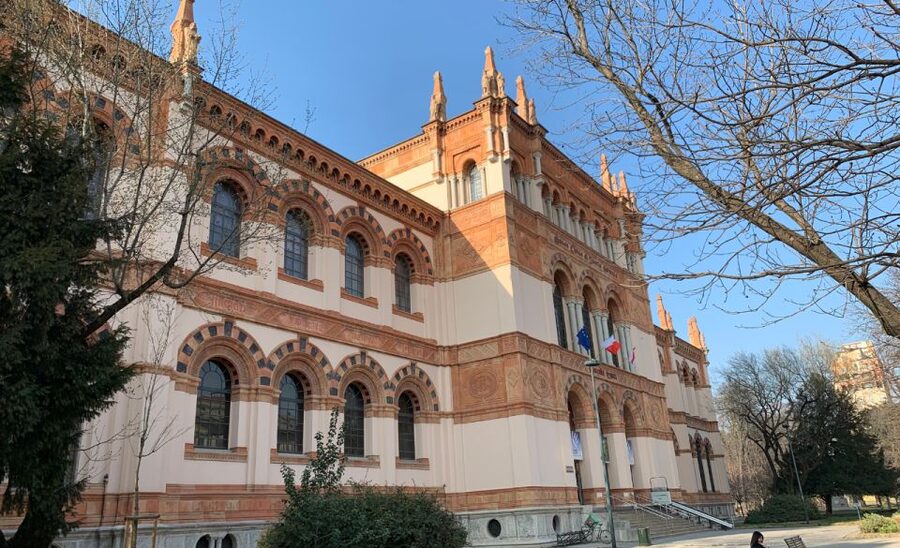
You start at Indro Montanelli Gardens, Corso Venezia 55. Even before you walk inside, you get a sense of how this place was built for lingering. The museum sits in a historic setting, and the surrounding public gardens help take the edge off the city. It’s the kind of location that makes a museum visit feel like part of a larger, relaxed afternoon.
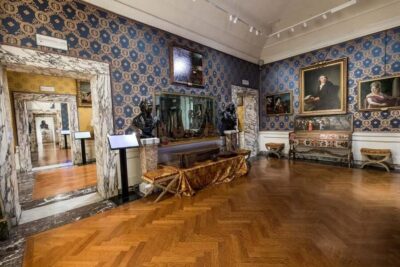
Inside, you’re getting the architectural side of the experience too. The museum’s historic building is part of the appeal, not just a container for exhibits. As you move between rooms, notice how the spaces help you pace yourself. For a self-guided visit, that layout is a big deal: you want rooms that feel readable, not a maze that forces you to rush.
One more practical bonus: because the museum is based in the gardens area, you can time your visit with a break outside. That matters if you’re traveling with kids, or if you simply don’t want to spend two hours in a single temperature-controlled bubble.
How the smartphone audioguide works for a 2-hour visit
This experience is designed as a smooth self-guided run. The key is the audio guide on your smartphone plus a digital map. You’ll follow the 40+ audio points of interest as you move through the museum, and the app helps you keep your orientation.
Here’s the rhythm I recommend if you want to actually enjoy it (and not just tap through audio like a checklist):
- Start with the early points near the entrance rooms, then settle into your pace.
- Choose a couple of categories you care about most (for many people, fossils or minerals are the easiest “hook”).
- Let the audio do the explaining for you—then pause to look at specimens without narration.
Because it’s audio, you’ll hear the museum’s story across time. The tour narrative references the museum’s foundation in the 19th century up to today, which helps you understand why the collection exists and how natural history research works.
Languages and when German shows up
You get the audioguide in English, Italian, and French, with German available from 15th April. If you’re traveling as a group, it’s worth checking language options before you arrive so everyone isn’t standing around mid-room.
A few more we would happily send a friend to in Milan
- Milan: City Sightseeing Hop-On Hop-Off Bus with Audio Guide
★ 4.0 · 6,256 reviews - Milan: Guided Walking Tour & Last Supper Visit with Ticket
★ 4.7 · 5,409 reviews - Milan: La Scala Theater & Museum Guided Experience
★ 4.1 · 2,931 reviews - Milan: Last Supper Guided Visit
★ 4.7 · 2,854 reviews - Milan: Duomo Rooftop and Cathedral Guided Tour with Tickets
★ 4.8 · 2,678 reviews
What you should bring (this is not optional)
This ticket includes the entry and the app-based guide, but it does not include headphones. Bring wired headphones or Bluetooth ones that you can rely on. Also bring a charged smartphone. With an e-ticket and an app download step, low battery is the fastest way to ruin the flow.
Paleontology, minerals, animals, plants: what the audio tour emphasizes
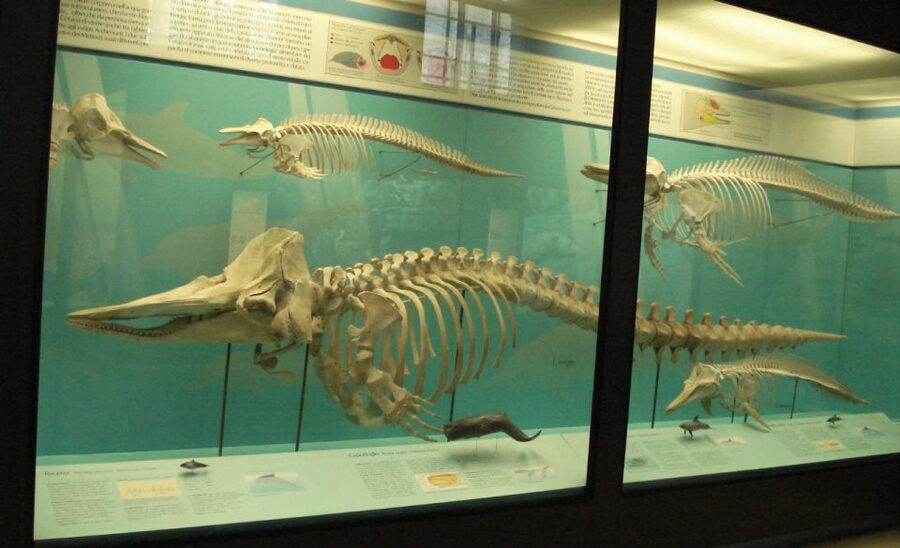
The tour is built around four big pillars: paleontology, mineralogy, zoology, and botany. That sounds broad, but it’s actually helpful. Natural history can feel like a grab bag unless someone connects the dots for you. The audio points do that by tying specimens to bigger evolutionary and scientific themes.
Paleontology: fossils with context
If you care about fossils, this is where you’ll likely spend extra time. The audio points focus on evolutionary stories and notable fossil displays, and that’s the difference between staring at bones and understanding why they matter. You’re not just looking at objects—you’re learning what those fossils suggest about past life.
Mineralogy: formation stories you can visualize
Minerals can be harder to “get” quickly, unless the explanation gives you a mental picture. The audio tour talks about mineral formations, and that helps you see mineral samples as outcomes of geological processes, not just rocks behind glass. Take a moment with minerals that look patterned or sparkly, and let the narration tell you what you’re actually seeing.
Zoology: diversity of life and conservation
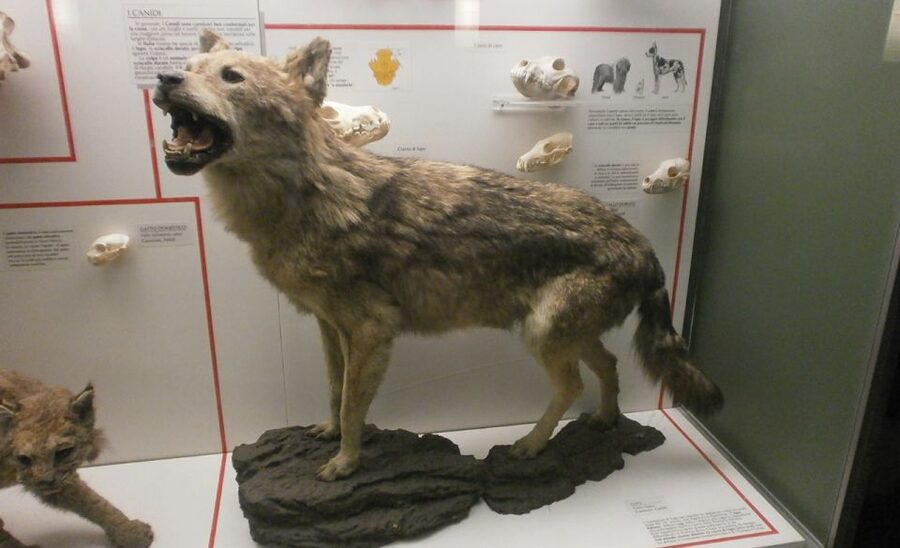
The zoology portion is about the diversity of life forms on Earth. The tour also connects that diversity to conservation, which is one of the more practical parts of a museum visit. It turns natural history from something frozen in the past into something still relevant today.
Botany: plant history as part of the bigger system
Botany rounds out the story by reminding you that plants aren’t just scenery in nature—they’re part of the same system that shaped animals and ecosystems over time. If you’re the type who likes “science that feels grounded,” this section tends to click because it’s easier to relate plants to the world you can see outside.
The best way to use the 40+ points
Don’t try to listen to everything back-to-back. Instead, use the audio points as “guided stops.” When a point catches your attention, stay longer in that room. When you feel yourself losing focus, switch to faster listening. This is self-guided, so you control the balance between hearing the story and actually looking at the exhibits.
Entry ticket + skip the line: value depends on your timing
You get an entry ticket and the experience is built to help you avoid waiting at the venue. For many museums, skipping the ticket line can be worth it on a busy day. Even if you arrive during off-peak hours, the real value is peace of mind: you know exactly what you need on your phone.
That said, the museum experience depends on a clean pre-visit setup. The e-ticket is available as a download and is sent via WhatsApp within 24 hours of your travel date. When you arrive, you show your e-ticket on your mobile device to the staff at the venue.
QR code and audio download: do this before you walk in
The voucher includes a QR code you can scan to download the audio guide before arrival. My advice: scan the QR code and download the audio while you still have stable Wi-Fi or mobile data. If you wait until you’re inside and signals get weak, the app can lag at exactly the wrong moment.
Meeting point reality
You don’t need to meet a guide. You head directly to Natural History Museum, Indro Montanelli Gardens, Corso Venezia 55. That’s good if you like independent travel. It also means you should arrive ready to go right at your start time.
Logistics that can make or break your experience

This is where I’ll be blunt, because an app-based museum visit is mostly won in the small details.
The biggest risk: the app download step
If the QR scan or link download fails, you lose momentum fast. The museum visit is planned around a 2-hour flow, so you don’t want to spend your best museum time fighting with a link.
Here’s what to do instead:
- Download the audio guide before arrival by scanning the QR code on your voucher.
- Keep your phone charged to at least 60% if possible.
- If anything looks wrong (an unexpected website or a dead end), stop and ask the venue staff for help rather than guessing.
Headphones are on you
No headphones means you’ll either buy them there or make do with sound from your phone speaker, which is not a great plan in a museum. Bring headphones from home.
Plan for a calmer visit when you can
One note from real-world experience: the museum can feel very calm on quieter days like Sunday. If your schedule allows, you’ll likely enjoy a more relaxed pace, especially with a self-guided audio plan where you want time to read labels and look closely.
Pricing and value: why $12 can be a smart museum move

At about $12 per person, you’re paying for three things: entry, a smartphone audioguide, and multilingual support on the app. You’re not paying for a live guide, so the value is strongest when you’re the kind of traveler who enjoys autonomy.
When it’s good value
This is good value if:
- you want to walk through the museum without joining a group pace
- you enjoy learning through narration while you look at specimens
- you like splitting your time between sections instead of committing to one curated route
When it might not be
If you prefer a human guide to answer questions on the spot, you might want a guided tour instead. This experience is self-guided, so it gives you structure through audio, but it doesn’t give you live Q&A.
The included city tour bonus
You also get a self-guided tour of Milan included with the package. The details of that city tour aren’t spelled out here, so treat it as a bonus feature inside the app experience. Still, it’s nice if you want to turn one museum afternoon into a slightly broader itinerary.
Who this works best for (and who might want a different plan)
I’d book this type of ticket if you’re traveling solo, as a couple, or with a small group that wants independence. It’s especially practical if you’re balancing museum time with other Milan sights, because it’s set to a 2-hour duration.
It’s also wheelchair accessible, which makes it a good option for visitors who need barrier-conscious routes. Since the audio guide is delivered digitally, you can pause and resume your way through the rooms without depending on someone else’s group speed.
If you’re traveling with kids, this can work well too because audio points give you built-in “what to notice” moments. Just remember: headphones and device battery matter even more with kids, since you’ll be relying on the audio for engagement.
Common hiccups and how to avoid getting stuck
Let’s talk about what can go wrong with an e-ticket + app setup, and how to protect your afternoon.
- Audio link problems can happen. If you see a link that leads you somewhere unexpected, don’t force it. Double-check the voucher QR code and request assistance from venue staff if it doesn’t look right.
- Waiting for instructions isn’t part of your job. Since you head directly to the museum, you should assume there’s no step-by-step “escort.” Have your QR and e-ticket ready before you arrive so you can move straight to entry.
- Don’t let tech steal your viewing time. Give yourself a buffer before the museum to download the audio and test your headphones.
That’s it. Most failures are tiny setup issues, not problems with the museum itself. Once the audio is running, the experience is straightforward and calm.
Should you book the Milan Natural History Museum audio ticket?
I think you should book this if you want an easy, structured museum visit without committing to a scheduled group tour. With 40+ audio points, a digital map, and the option to listen in English, Italian, French, and German from 15th April, it’s a solid way to make a natural history museum feel understandable and alive.
Skip it only if you strongly prefer a live guide and expect the ability to ask lots of follow-up questions face-to-face. Also, if you know your phone battery is usually unreliable, plan extra charging time or carry a backup power option.
If you can handle the app download step and bring headphones, this is a good-use-of-time ticket for a comfortable 2-hour visit near the public gardens.
FAQ
What’s included in the Milan Natural History Museum ticket with audio guide?
You get an entry ticket to the Natural History Museum and a digital audioguide via an app in English, Italian, and French (German becomes available from 15th April). The package also includes a self-guided tour of the city of Milan.
How long does the experience take?
The duration is listed as 2 hours. You should check availability to see starting times.
How do I access the e-ticket and audio guide?
An e-ticket is available for download and sent via WhatsApp within 24 hours of your travel date. You enter by showing your e-ticket on your mobile device, and you should scan the QR code on your voucher to download the audio guide before arrival.
What languages are available on the audioguide?
The audioguide is available in English, Italian, and French. German is also available from 15th April.
Do I need to bring headphones?
Yes. Headphones are not included, so you should bring your own.
Where do I go for the museum entry?
Go directly to the Natural History Museum at Indro Montanelli Gardens, Corso Venezia, 55.
Is the museum wheelchair accessible?
Yes. The experience is listed as wheelchair accessible.
More Guided in Milan






More Tickets in Milan

More Tour Reviews in Milan


Fresh in our Milan notebook




Museums, compared.
 ★ 4.4Leonardo3 The World of Leonardo Museum Entry TicketFrom $183,936 reviews
 ★ 4.1La Scala Theater & Museum Guided ExperienceFrom $342,931 reviews
 ★ 4.3Entrance Ticket to La Scala Theatre MuseumFrom $172,098 reviews
 ★ 4.7La Scala Theater and Museum Tour with Entry TicketsFrom $341,722 reviews
 ★ 4.5Cathedral, Archeological Area and Museum TicketFrom $221,093 reviews
 ★ 4.6Casa Milan: Museum Entry TicketFrom $18969 reviews
 ★ 4.1San Siro Stadium and Museum Official Guided TourFrom $52962 reviews
★ 4.4Entrance Ticket to La Scala Theatre MuseumFrom $17759 reviews
★ 4.1San Siro Stadium and Museum Official Guided TourFrom $52962 reviews
★ 4.4Entrance Ticket to La Scala Theatre MuseumFrom $17759 reviews
Browse the lists this tour appears in