
Reviewed · FOOD
Discover the Milano by Food
Milan hits fast. This Milano by Food tour slows it down and helps you connect the city’s food with its neighborhoods. I especially like how it starts in Brera, where art, design, and boutique streets set the tone for the whole visit. One thing to consider: it’s a fixed 2.5-hour experience, so you’ll get a well-planned overview, not a linger-everywhere kind of day.
My second favorite part is the mix of food plus context. You’re not only tasting things, you’re also picking up local history and sight ideas that make your next meal choices easier. And the guide behind the experience, Caterina Torella, is the kind of host who turns “walking” into real understanding of what you’re seeing.
The possible drawback is expectations. If you’re the type who wants lots of extra stops or time to wander on your own, this format can feel short. If you want a smart start, a clear route, and practical restaurant pointers, it’s a strong fit.
In This Review
- Key things to know before you go
- Why a 2.5-hour food tour works in Milan
- Brera District: your Milan “orientation” stop
- Orto Botanico di Brera: a short reset in the middle of the walk
- Piazza Gae Aulenti: Bosco Verticale and Milan’s modern story
- Porta Garibaldi: a historic gate with a practical finish
- The food side: tastings and restaurant guidance
- The guide factor: Caterina Torella’s mix of food and city context
- Value for your money: $181.41 and what you’re really buying
- Who should book Milano by Food (and who might not)
- Should you book it
- FAQ
- How long is the Milano by Food tour?
- Is this a private tour?
- What language is the tour offered in?
- What areas and stops are included?
- Are the attractions included free of charge?
- Where does the tour start and end?
- Do I receive a mobile ticket?
- What is the cancellation policy?
- Is the tour accessible for most travelers?
Key things to know before you go
- Brera first, for an instant feel of Milan: art streets and design energy right at the start.
- Quick hits at major photo-worthy places: you’ll see Bosco Verticale from Piazza Gae Aulenti.
- A botanical break that stays on time: a short walk through Orto Botanico di Brera.
- A taste-focused start plus neighborhood lessons: it’s built to give you food and context together.
- Private tour, in small-group mode: only your group participates, and it runs in English.
A few more we would happily send a friend to in Milan
- Milan’s Authentic Street Food tour: A Gourmet Experience★ 4.5 · 717 reviews
- Small-Group Barolo Wine Tasting, Alba & UNESCO Piedmont Hills★ 5.0 · 689 reviews
- Milan: Guided Street Food Walking Tour with Food Tasting★ 4.8 · 654 reviews
Why a 2.5-hour food tour works in Milan
Milan can feel like two cities at once. There’s the classic postcard side, and then there’s the modern business-and-design side that shows up around Porta Nuova. A tour like Milano by Food is built for the part in the middle: when you want to get your bearings fast, but you also want your experience to feel local, not like a checklist.
The big value here is how food connects to place. You start in Brera, then move toward the modern skyline views near Piazza Gae Aulenti, and finish at Porta Garibaldi. That sequence helps you understand why certain neighborhoods feel the way they do, and it makes your own dinner decisions easier later.
You’ll also appreciate the pace. This is about 2 hours and 30 minutes, so it fits cleanly into a day plan without swallowing half of your trip. And because the tour is private for your group, you’re not stuck reacting to a slow or chaotic pace from strangers.
Brera District: your Milan “orientation” stop
The tour begins in Brera District, often the best choice for day one. Brera is where Milan shows its creative side: art energy, design vibes, fashion streets, and plenty of small shops to peek into while you walk. It’s the kind of neighborhood that makes you understand why Milan isn’t only about big monuments.
What I like about starting here is that it gives you a “map” in your head. By the time you reach the later stops, you’ll recognize the shifts: older streets and cultural institutions first, then the modern edges and business districts.
Possible drawback: Brera can be busy, especially when you hit it during peak hours. Even on a tour that moves with purpose, you might feel the crowd rhythm. Still, that’s part of the point. You’re learning the city’s real flow.
Orto Botanico di Brera: a short reset in the middle of the walk
Next up is Orto Botanico di Brera, reached via the Brera Art University area. This stop is brief (about 10 minutes), but it acts like a reset. You get a breath of calm while still staying close to the artistic, academic feel of the district.
Why it matters: even if you’re not a “botanical garden” person, this kind of stop gives contrast. Milan isn’t just stone and fashion. There’s room for quiet spaces, and you’ll notice it most when you’ve walked from lively streets.
Possible drawback: because time is tight, you’re not going to roam freely for long. Think of it as a glimpse and a moment to regroup, not a full garden visit.
A few more we would happily send a friend to in Milan
- Milan: Sunset Navigli Food & Drinks Tour by Do Eat Better
★ 4.5 · 517 reviews - Milan: Italian Cooking Class with Food and Wine
★ 4.7 · 509 reviews - Milan: Navigli Food & Drinks Tour with Eating Europe
★ 5.0 · 394 reviews - Milan: Sunset Navigli Food and Drinks Tour with a Local
★ 4.8 · 359 reviews - Delicious! Milan’s Favorite Food Tour
★ 5.0 · 268 reviews
Piazza Gae Aulenti: Bosco Verticale and Milan’s modern story
The tour then moves to Piazza Gae Aulenti, where you can check out the business area and see Bosco Verticale. This is the modern Milan everyone recognizes, but a quick stop like this still does something helpful: it ties the skyline to the neighborhood’s identity.
Bosco Verticale works especially well when you understand what you’re looking at. Instead of it being just a photo background, it becomes a symbol of how Milan is reinventing itself—vertically, architecturally, and with a strong design sensibility. You’ll also likely get more than surface-level commentary, since the guide incorporates history and context beyond food.
Possible drawback: this is another “quick look” moment (about 10 minutes). If you want long viewing time from every angle, you’ll probably want to return later on your own.
Porta Garibaldi: a historic gate with a practical finish
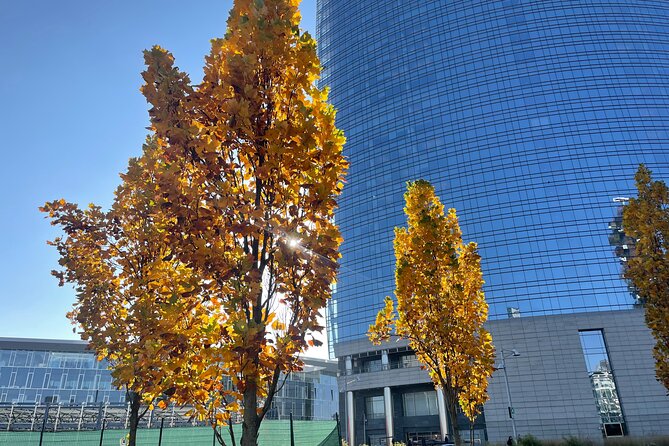
Finally, you’ll head to Porta Garibaldi, a stop that’s only about 5 minutes. That short duration makes sense: this is a location for photos, quick orientation, and historical perspective—not a long museum-style visit.
Why this last stop is useful: it helps you connect old and new parts of Milan without feeling like you’re spending your whole day bouncing between far-flung sights. It’s also a convenient landing point for transit and planning your next move.
You’ll end in front of a nice coffee spot close to Moscova subway station, which is a smart way to close the loop. After a food-and-walking tour, it’s nice to have an immediate place to pause, plan dinner, or ask the guide follow-up questions while everything is still fresh.
The food side: tastings and restaurant guidance
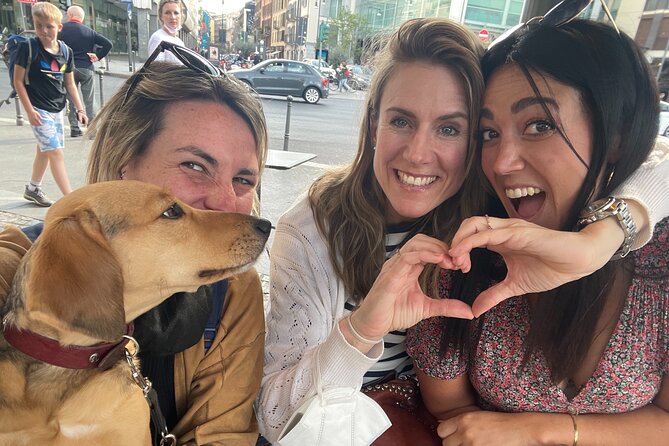
The core promise is food, but it’s not only about eating. The tour is designed to leave you with two kinds of payoff:
1) tastings during the experience, and
2) clear ideas for where to go next.
This is where the guide’s style matters. In the feedback for this experience, the conversations and guidance are a repeated highlight. The best part is that you’re getting practical restaurant thinking, not vague “try everything” advice.
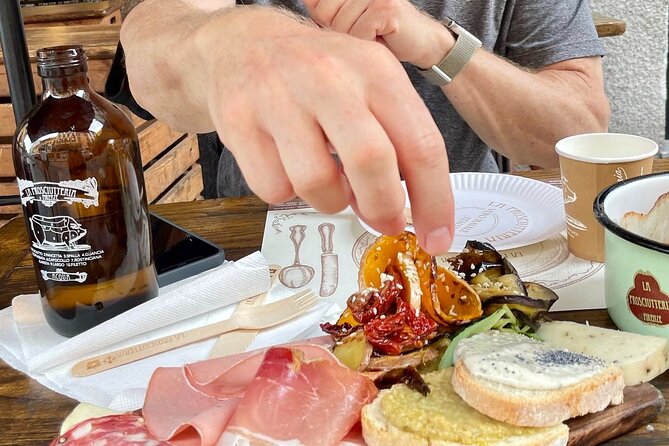
A useful detail from the experience feedback: some people mention starting at a sit-down restaurant and trying a Negroni-style drink variation. Even if your exact start and tastings differ based on the day, the idea is the same: you’ll sample thoughtfully, then learn what to do with that knowledge afterward.
Practical note: since tastings are included, you may not need a heavy meal right after. If you’re planning dinner the same evening, it’s smart to treat dinner like a second act, not a first act.
The guide factor: Caterina Torella’s mix of food and city context
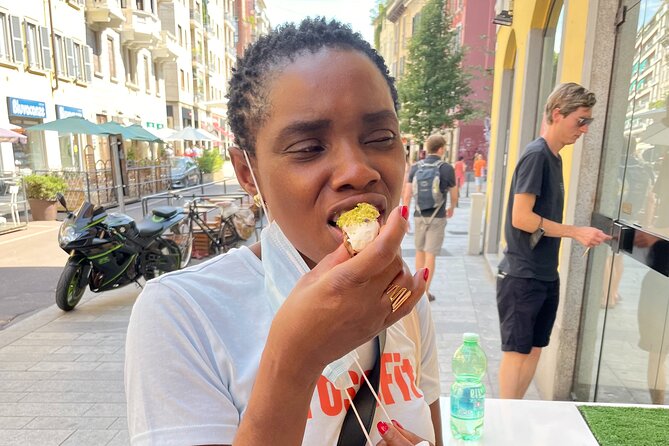
This tour is led by Caterina Torella, and the standout theme in the feedback is her communication style: engaging, structured, and focused on making Milan make sense. People repeatedly praise her explanations and the way she blends food with local understanding.
One review-focused theme is that she adds historical context you don’t always get on short food walks—something like how Milan’s canals and history fit into the city story. Even when the itinerary is moving, the talk isn’t just background noise. It helps you look at streets and buildings with a better question in mind: why is this here, and what does it represent?
A small but real consideration: one person felt the tour was average relative to past food tours, and that it depended on expectations. That feedback is still useful. If your goal is “food tour plus extra freedom and surprises,” you might find this one more structured than you want. If your goal is “food tour with clear planning and helpful sight context,” it tends to land well.
Value for your money: $181.41 and what you’re really buying
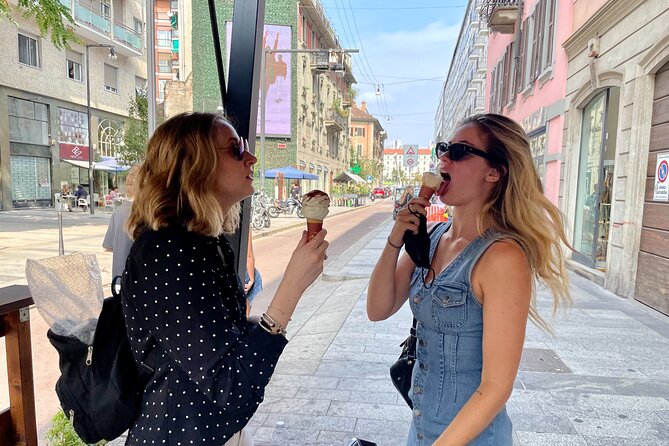
At $181.41 per person for roughly 2 hours and 30 minutes, the price isn’t “cheap,” but it also isn’t priced like a luxury day-long private escape. You’re paying for several things that actually matter:
- a private format for your group
- an English-speaking guide
- tastings included
- a route that hits both classic and modern Milan
- practical advice on where to eat and what to prioritize next
Also worth noting: it’s offered with group discounts, and you can book it with a mobile ticket. The typical booking pattern—around 53 days in advance on average—suggests it’s a popular way to start a trip, especially for visitors who want a guided runway into the city.
So how do you decide if it’s worth it for you? Ask yourself this: do you want your first Milan hours to feel organized and useful, or do you want total freedom to roam? If you want organized and useful, this price can feel fair. If you want pure wandering, you may feel like you paid for structure.
Who should book Milano by Food (and who might not)
This tour is a great match if:
- you’re arriving in Milan and want your bearings fast
- you like the food-tour style where tastings come with real neighborhood context
- you want to see Brera, get a clean view of the modern district near Bosco Verticale, and still cover a historic gate at Porta Garibaldi
- you appreciate clear English guidance and a structured route
It might not be your best match if:
- you hate fixed-time tours and want a “stay as long as we want” pace
- you expect tons of off-route detours or extended time at each sight
- you’re coming for only food with no interest in history and street-level explanations
Should you book it
If you want a smart, guided start to Milan that ties eating to the city’s neighborhoods, I’d book it. The route makes sense: Brera for culture and design, a botanical breather, the modern skyline moment at Piazza Gae Aulenti, then a historic finish at Porta Garibaldi with an easy coffee-and-transit end near Moscova.
If you’re the type who needs extra time to linger, just plan your day accordingly. Book this early or mid-afternoon and treat it as your orientation and restaurant-planning tool. You’ll walk away with a clearer idea of where to go next—and with a better sense of what you’re looking at when Milan goes vertical, historic, and modern all in the same afternoon.
FAQ
How long is the Milano by Food tour?
It runs for about 2 hours and 30 minutes.
Is this a private tour?
Yes. Only your group participates.
What language is the tour offered in?
The tour is offered in English.
What areas and stops are included?
You’ll cover Brera District, Orto Botanico di Brera, Piazza Gae Aulenti (for the Bosco Verticale area), and Porta Garibaldi.
Are the attractions included free of charge?
The stops listed on the route have free admission tickets.
Where does the tour start and end?
It starts at Lanza, 20121 Milan, and ends in front of a coffee near Moscova subway station (ending at Moscova, 20121 Milan).
Do I receive a mobile ticket?
Yes, you’ll receive a mobile ticket.
What is the cancellation policy?
You can cancel for free up to 24 hours in advance for a full refund.
Is the tour accessible for most travelers?
Most travelers can participate, and it’s near public transportation. Service animals are allowed.
More Food in Milan

More Food & Drink in Milan
More Tour Reviews in Milan


Fresh in our Milan notebook

Food, compared.
 ★ 4.5Milan’s Authentic Street Food tour: A Gourmet ExperienceFrom $116717 reviews
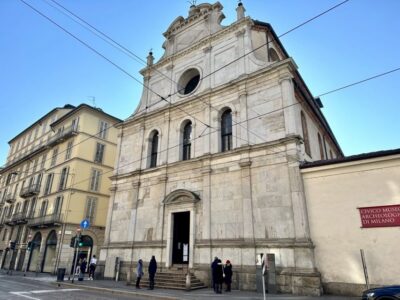 ★ 4.8Guided Street Food Walking Tour with Food TastingFrom $58654 reviews
 ★ 4.5Sunset Navigli Food & Drinks Tour by Do Eat BetterFrom $96517 reviews
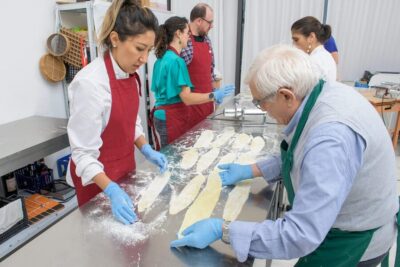 ★ 4.7Italian Cooking Class with Food and WineFrom $80509 reviews
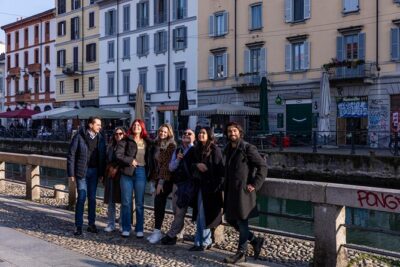 ★ 5.0Navigli Food & Drinks Tour with Eating EuropeFrom $125394 reviews
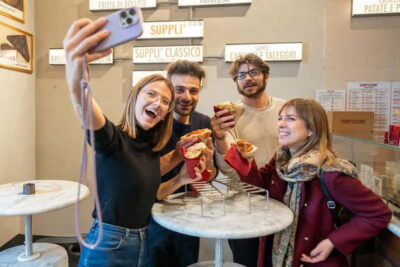 ★ 4.8Sunset Navigli Food and Drinks Tour with a LocalFrom $104359 reviews
 ★ 5.0Delicious! Milan’s Favorite Food TourFrom $95268 reviews
Milan Centre Food Tour of 7+ Italian Tastings with Risotto & WineFrom $118264 reviews
★ 5.0Delicious! Milan’s Favorite Food TourFrom $95268 reviews
Milan Centre Food Tour of 7+ Italian Tastings with Risotto & WineFrom $118264 reviews