
Reviewed · SFORZA CASTLE TOURS
Guided Tour: Discover Sforza Castle and Michelangelo’s Art
Renaissance art, but with real emotion. This guided visit to Sforza Castle lets you see Michelangelo’s final Pietà in person, then ties it to Leonardo da Vinci’s work and time in Milan. It’s a tight loop through fortress spaces and museum rooms, right by Piazza Castello.
I love two things most here. First, the focus on Michelangelo’s Pietà Rondanini—especially its unfinished look—helps you understand why this sculpture lands differently than his earlier, more polished works. Second, the guide storytelling around the Leonardo-to-Michelangelo contrast gets praised for being clear and easy to follow, with names like Lorella and Maria showing up as standout guides in recent bookings.
One consideration: at 1.5 hours, you won’t get a slow, gallery-by-gallery wandering pace. This is best if you want the big connections explained well, not if you’re trying to spend hours lingering in every room.
In This Review
- Key highlights worth your time
- Where You Start: Piazza Castello and Torre Filarete
- Sforza Castle: From Fortress Walls to Museum Rooms
- Michelangelo’s Pietà Rondanini: Why the Final Work Hits
- Leonardo da Vinci’s Milan Threads: Ludovico Sforza to The Last Supper
- How the 90 Minutes Fit Into a Real Milan Day
- Price and What You’re Actually Paying For
- Who This Tour Suits Best (and Who Should Rethink It)
- One Important Accessibility Note to Check
- Should You Book This Milan Renaissance Tour?
- FAQ
- How long is the guided tour?
- Where do I meet the guide?
- What’s included in the ticket price?
- What are the main artworks or themes covered?
- Is the tour private?
- Is it wheelchair accessible?
- What should I bring?
Key highlights worth your time
- Pietà Rondanini as a final statement: you’ll learn why the sculpture’s unfinished appearance matters
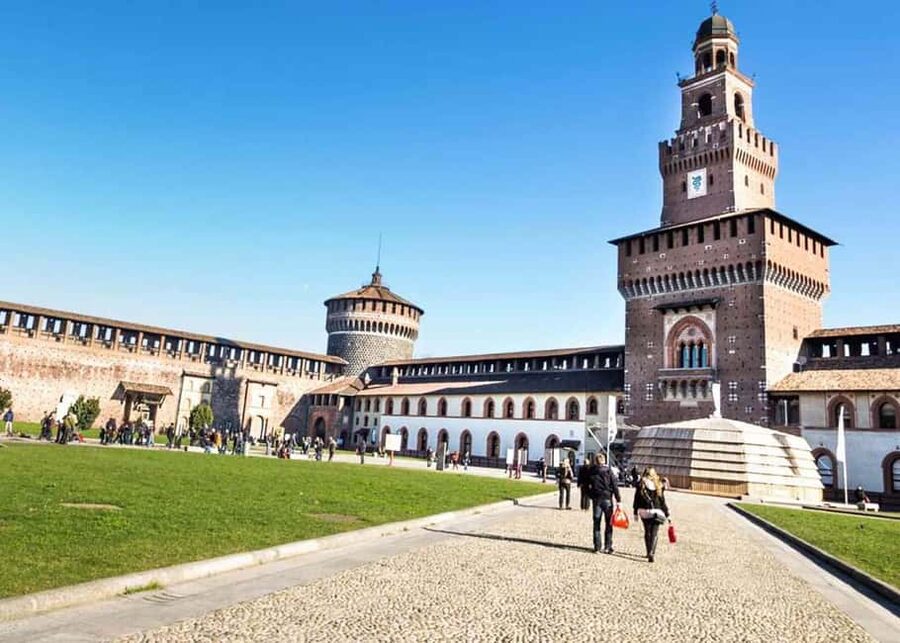
- Sforza Castle courtyards and interiors: you’ll get more than a quick glance at the museum spaces
- Leonardo in Milan context: stories of his time under Ludovico Sforza and what he contributed
- A Duomo-area meet-up: the tour starts in Piazza Castello, near major sights
- A small, focused format: 1.5 hours is enough to connect the Renaissance dots without exhausting you
Deeper into the Sforza Castle courtyards
- Milan: Sforza Castle and Michelangelo’s Pietà Rondanini Tour★ 4.7 · 1,119 reviews
- Milan: The Last Supper & Sforza Castle Guided Tour★ 4.6 · 610 reviews
- Milan: Leonardo’s Last Supper and Michelangelo’s Pietà Tour★ 4.6 · 559 reviews
Where You Start: Piazza Castello and Torre Filarete
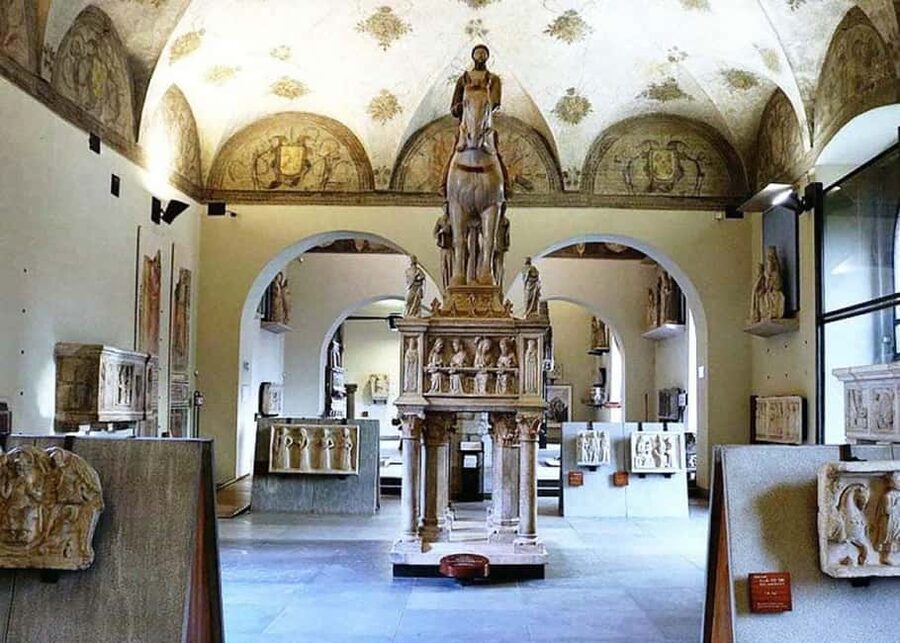
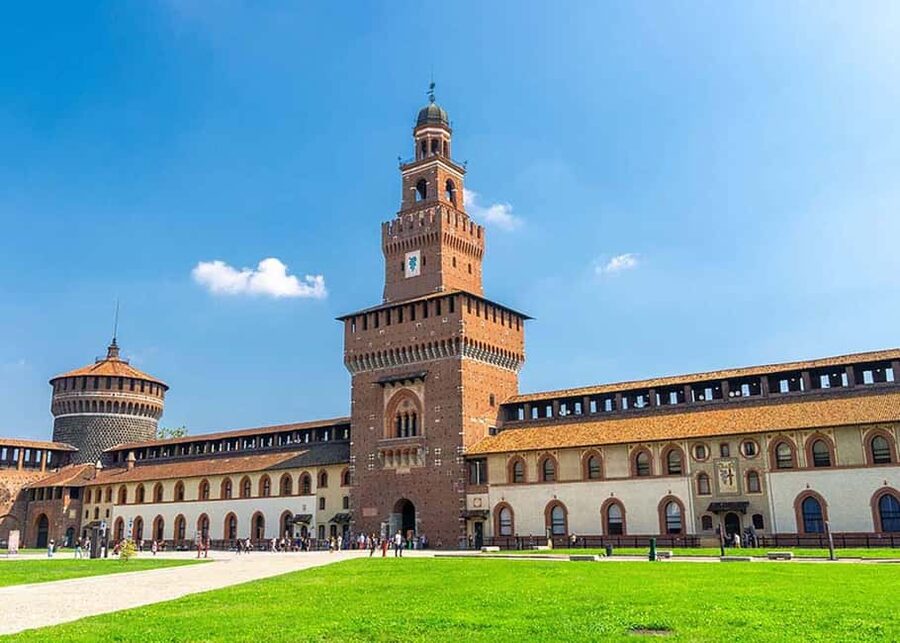
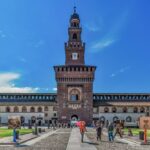
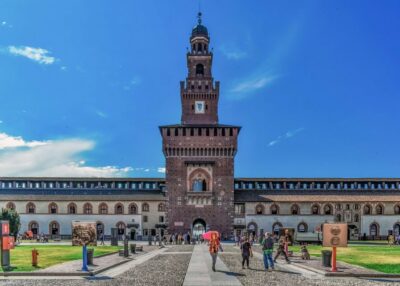
You begin in the center of things—Piazza Castello—then meet your guide under the Clock Tower, Torre Filarete. That matters more than it sounds. In Milan, the fastest way to waste time is getting turned around. Starting at a clear landmark like Torre Filarete helps you line up quickly and actually enjoy the pre-tour walk.
Also, plan to arrive with your ID ready. The tour asks for a passport or ID card. It’s one of those small “don’t get stopped at the door” details that saves stress.
If you’re carrying a larger bag or backpack, be ready to check it in the locker room. That’s helpful inside a museum setting where space can be tight.
Sforza Castle: From Fortress Walls to Museum Rooms
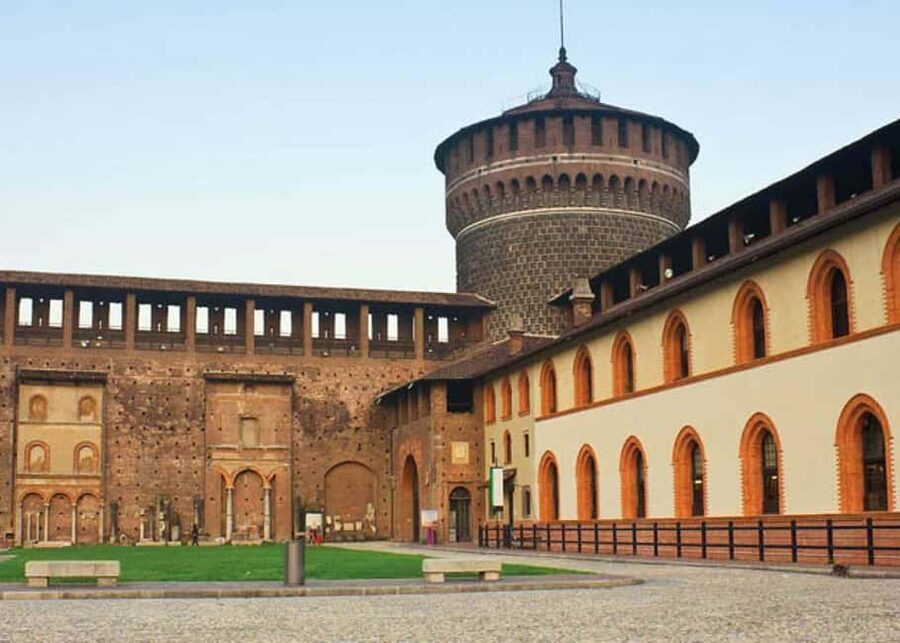
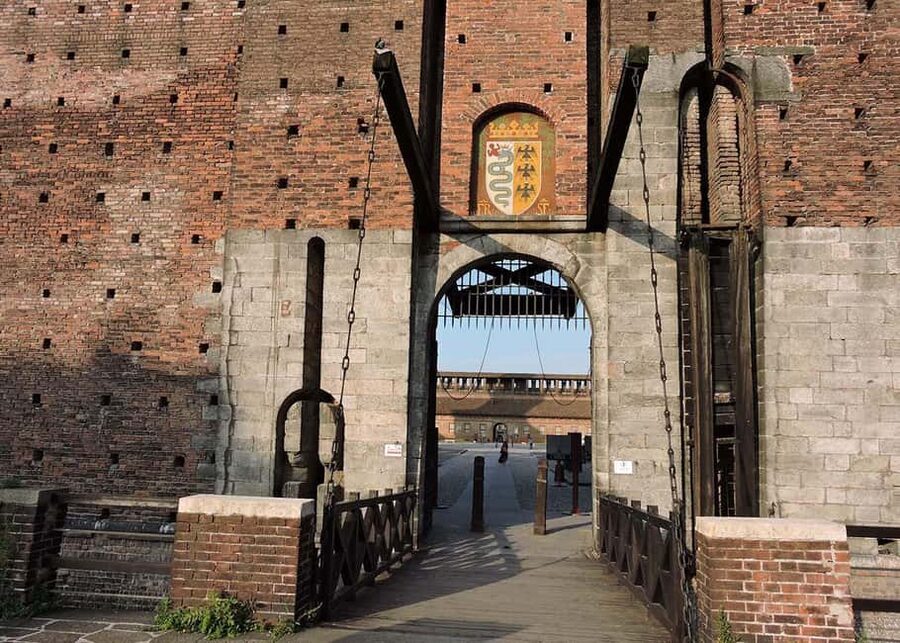
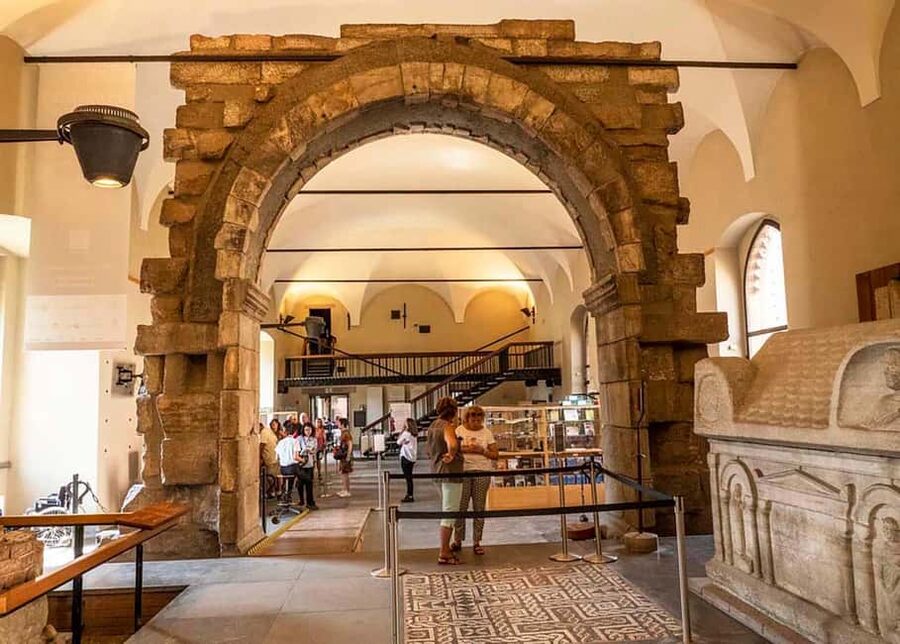
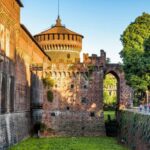
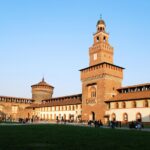
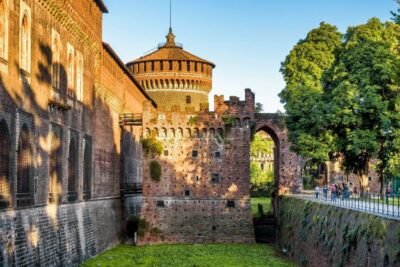
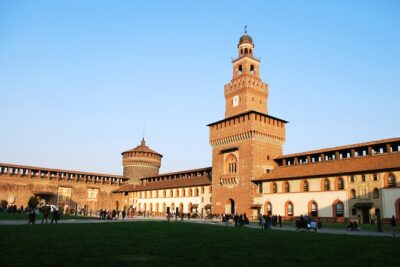
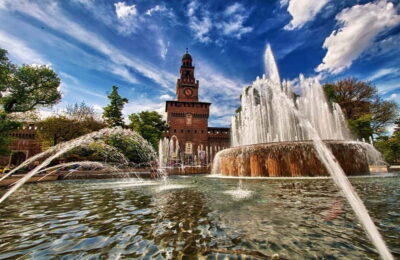
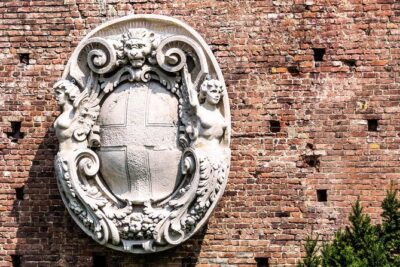
Sforza Castle sits like a statement at the edge of Piazza Castello, close to the Duomo di Milano area. Even before you go inside, the fortress vibe comes through: formidable walls and towers tied to the Sforza family, the power behind Renaissance Milan.
Inside, this tour isn’t just about ticking off rooms. The guide connects what you’re seeing to who controlled Milan and why that mattered for art and collecting. The castle becomes a stage for Renaissance families, not a random shell of stone.
A practical expectation: you’ll visit both courtyards and interiors. Courtyards are where you can reset—get a sense of scale, feel the architectural rhythm, and notice how the spaces change the way art is presented. Interiors are where the museum focus lands, and where the tour’s main artworks come into play.
One small drawback to keep in mind: because this is a guided group format (not private), you’ll follow the guide’s pace. If you like to linger at your own speed, you may feel slightly pushed for time in the most visually dense sections.
Michelangelo’s Pietà Rondanini: Why the Final Work Hits
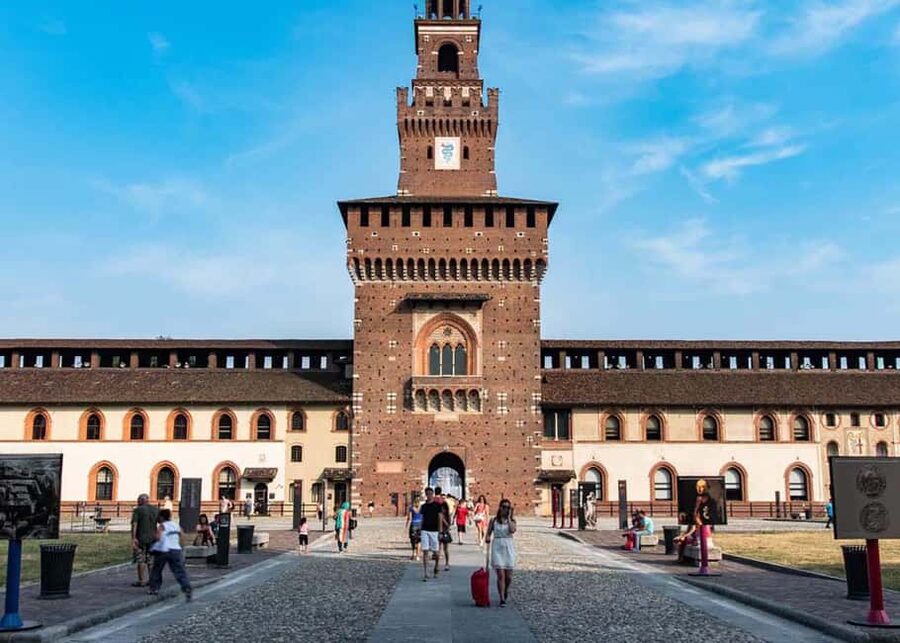
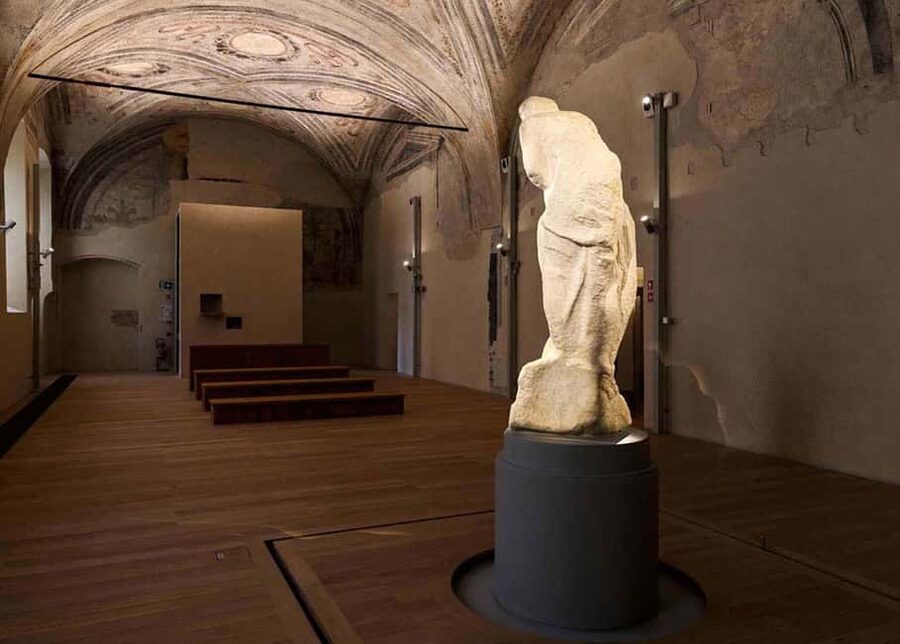
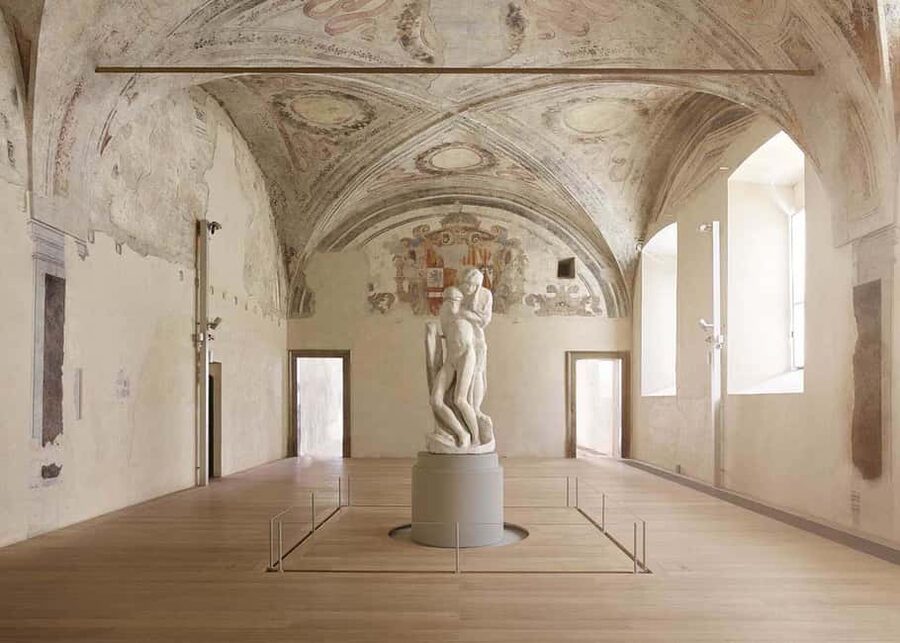
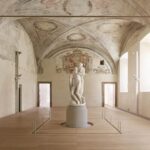
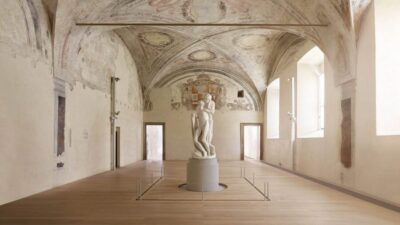
The star moment is Michelangelo’s Pietà Rondanini, presented as Michelangelo’s final masterpiece created in the final days of his life at age 89. That age detail isn’t trivia—it reframes the emotional tone.
Here’s what makes this sculpture central to the tour experience: it doesn’t try to hide its own making. Unlike Michelangelo’s earlier, more polished works, the Pietà Rondanini is noted for its unfinished appearance. The guide explains why that matters—because you’re not just viewing finished beauty. You’re seeing the artist’s evolving vision and the struggle with mortality.
And yes, that changes how you look at it. The tour points your attention to expressive forms and the intimate depiction of Mary holding Christ’s body. The effect is personal and close, not grand-and-heroic. If you like art that feels like it’s thinking while it’s being made, this is the part that tends to stick.
I also appreciate that the tour doesn’t treat it like an isolated masterpiece. It’s tied back to Michelangelo’s spirituality and personal reflections on life and death. In other words, you don’t just learn what it is—you learn why it was made that way.
A few more we would happily send a friend to in Milan
- Milan: City Sightseeing Hop-On Hop-Off Bus with Audio Guide
★ 4.0 · 6,256 reviews - Milan: Guided Walking Tour & Last Supper Visit with Ticket
★ 4.7 · 5,409 reviews - Milan: La Scala Theater & Museum Guided Experience
★ 4.1 · 2,931 reviews - Milan: Last Supper Guided Visit
★ 4.7 · 2,854 reviews - Milan: Duomo Rooftop and Cathedral Guided Tour with Tickets
★ 4.8 · 2,678 reviews
Leonardo da Vinci’s Milan Threads: Ludovico Sforza to The Last Supper
After Michelangelo, the guide shifts gears to Leonardo da Vinci—and the smartest part is the focus on Milan, not just famous Leonardo facts floating around the internet.
Leonardo’s Milan story here is anchored to Ludovico Sforza, Duke of Milan. The tour connects the patronage system to what Leonardo worked on and how Renaissance creativity moved through courts. The guide also covers Leonardo’s contributions in terms of engineering projects and architectural designs, not only art.
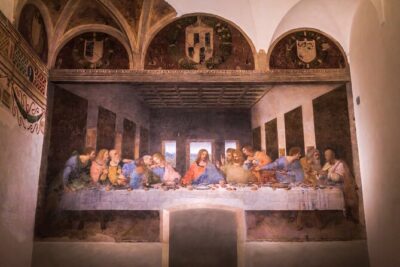
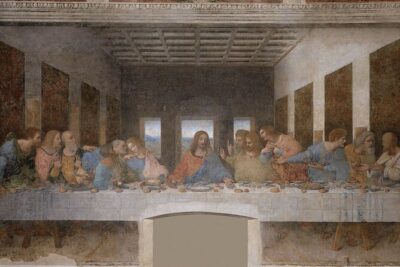
Then there’s the reference point that will matter if you’re building a Milan itinerary: The Last Supper. It’s described as being housed in the nearby Convent of Santa Maria delle Grazie. Even if you don’t enter that site on this particular tour, knowing where it lives—and why it belongs to Leonardo’s Milan period—helps you place the artwork in the city instead of treating it like a separate stop on a checklist.
The best learning payoff is the human story layer. The guide recounts friendships and rivalries around Leonardo during his Milan years. That kind of context can make his work feel less like myth and more like the output of a real person navigating real politics.
One note: this tour’s Leonardo portion is story-driven. So if your main goal is an in-person viewing of The Last Supper, you’ll still need a separate ticket and time slot for that.
How the 90 Minutes Fit Into a Real Milan Day
At 1.5 hours, this is a “smart add-on” tour. It’s long enough to get a guided explanation and see the key sculpture focus, but short enough that you can still build time around it for the sights around Piazza Castello and the Duomo di Milano area.
If you like planning with momentum, here’s a solid way to think about it: let the tour do the hard work of connecting the Renaissance threads—Sforza power, Michelangelo’s final years, Leonardo’s Milan projects—then use your free time to wander with better context. When you know what you’re looking for, even casual street-level wandering in Milan starts to feel more meaningful.
This tour also helps if you’re juggling museum fatigue. You’re not asked to spend an entire day inside a single complex. The format keeps you moving, and you’re back where you started—Piazza Castello—ready for the next stop.
Price and What You’re Actually Paying For
The price is listed at $106 per person for 1.5 hours. That’s not the cheapest museum tour in Europe, so you’ll want to know what makes it feel worth it.
Here’s where the value comes from based on what’s included:
- Entrance to Sforza Castle and the museum
- A certified live tour guide in English
- Online consultant support for boarding information
- Online support when boarding
In practice, the biggest cost you’re paying for isn’t just access. It’s interpretation—someone helping you understand why the Pietà Rondanini’s unfinished look changes the emotional message, and why Leonardo’s Milan isn’t only about paintings. If you’re the kind of visitor who gets more out of art when you hear the “why,” you’re likely to feel this price as fair.
What’s not included is food and beverages, plus hotel pick-up/drop-off. So budget your meals separately and use public transit or short walks to keep costs controlled.
Who This Tour Suits Best (and Who Should Rethink It)
This tour fits best if you:
- Want a guided introduction to Milan Renaissance art without committing to a full-day museum plan
- Care about understanding connections between major figures like Michelangelo and Leonardo
- Enjoy the storytelling side of art history, not just looking at objects quietly
You might want to rethink it if:
- You strongly prefer unhurried, independent gallery time
- You need wheelchair-specific confirmation beyond what’s listed (see next note)
One Important Accessibility Note to Check
The activity information says it is accessible to wheelchairs and strollers, but it also includes a line stating it is not suitable for wheelchair users. Since that’s contradictory, I’d treat it as a red flag and confirm directly with the operator before booking—especially if mobility access is a deciding factor for you.
If you’re traveling with strollers, the tour’s general accessibility note suggests it’s considered stroller-friendly, but still plan for a museum environment where surfaces and crowd flow can affect ease.
Should You Book This Milan Renaissance Tour?
I’d book this if your priority is Michelangelo’s Pietà Rondanini plus a clear, guided understanding of Leonardo da Vinci’s Milan connections in a short 1.5-hour window. The focus on how guides explain the eras—getting the Michelangelo vs. Leonardo contrast straight—makes it a good choice for first-time Milan visitors who want depth without a half-day commitment.
Skip it if you want maximum time inside the castle galleries at your own pace, or if you need certainty around accessibility that the listing doesn’t clearly resolve.
FAQ
How long is the guided tour?
The tour lasts 1.5 hours.
Where do I meet the guide?
Meet your guide under the Clock Tower (Torre Filarete) in Piazza Castello.
What’s included in the ticket price?
You get entrance to Sforza Castle and the museum, a certified live tour guide in English, plus online consultant support for boarding information and online support when boarding the tour.
What are the main artworks or themes covered?
The tour highlights Michelangelo’s Pietà Rondanini and Leonardo da Vinci’s legacy in Milan, including his time connected to Ludovico Sforza and a link to The Last Supper (housed in the nearby Convent of Santa Maria delle Grazie).
Is the tour private?
No. This is not a private tour.
Is it wheelchair accessible?
The information includes both an accessibility note for wheelchairs/strollers and a separate note saying it is not suitable for wheelchair users. I recommend checking with the operator to confirm what will work for you.
What should I bring?
Bring a passport or ID card. Large bags and backpacks must be checked in the locker room.
More Tours in Milan


More Tour Reviews in Milan

More Sforza Castle Tours
Fresh in our Milan notebook
Sforza Castle Tours, compared.
 ★ 4.0Sforza Castle Entry Ticket with Digital Audio GuideFrom $152,675 reviews
 ★ 4.7Sforza Castle and Michelangelo’s Pietà Rondanini TourFrom $471,119 reviews
 ★ 4.6The Last Supper & Sforza Castle Guided TourFrom $97610 reviews
 ★ 4.6Leonardo’s Last Supper and Michelangelo’s Pietà TourFrom $105559 reviews
 ★ 4.6Last Supper and Sforza Castle Guided TourFrom $112498 reviews
 ★ 4.5Sforza Castle and Michelangelo’s Pietà Rondanini guided experienceFrom $60220 reviews
 ★ 4.5The Last Supper and Sforza Castle Tour – group tourFrom $106151 reviews
★ 4.5The Last Supper & Sforza Castle Guided TourFrom $104128 reviews
★ 4.5The Last Supper and Sforza Castle Tour – group tourFrom $106151 reviews
★ 4.5The Last Supper & Sforza Castle Guided TourFrom $104128 reviews
Browse the lists this tour appears in