
Reviewed · LA SCALA & OPERA TOURS
Milan: “Museo Teatrale Alla Scala” Guided Tour
La Scala tells its story in 90 minutes. This guided tour pairs the theatre’s incredible interiors with the museum’s artifacts, so the building doesn’t just look famous—it explains itself. You’ll be right in the heart of Milan too, a short walk from the Duomo area and the Vittorio Emanuele Gallery.
I especially like the behind-the-scenes storytelling from guides such as Fabio, Simone, and Lorella, who connect performances to the rooms, boxes, and traditions that made them legendary. The second big win is the chance to catch a hint of real-life production, like brief rehearsal moments (when schedules allow), which makes it feel less like a lecture and more like theatre life. One possible drawback: depending on rehearsals and private events, your visit may be limited to the museum only.
In This Review
- Key points worth caring about
- La Scala feels close before you even enter
- Meeting point, headsets, and how the tour actually starts
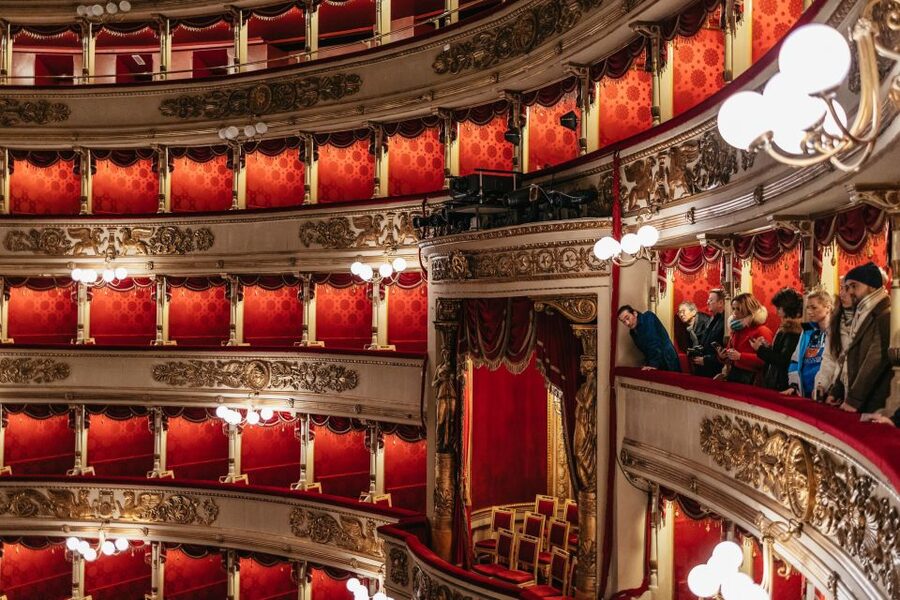
- The theatre interior: boxes, staging, and why it matters
- La Scala Museum: costumes, set designs, and instruments you can actually picture
- When rehearsals add a live spark (or limit what you see)
- 1.5 hours sounds short. Here’s why it still works.
- Price and value: what $44 buys you in real terms
- Who this tour suits best (and who might want a different plan)
- Practical tips so you don’t trip on the small stuff
- Should you book this tour?
- FAQ
- How long is the La Scala Theatre and Museum guided tour?
- What is included in the $44 price?
- Where do I meet the guide?
- What languages are available for the live guide?
- Is the theatre and museum visit accessible for wheelchairs and strollers?
- Can the visit be limited to the museum only?
Key points worth caring about
- Guides make La Scala make sense with names like Verdi, Rossini, Pavarotti, and Maria Callas tied to specific spaces.
- You’re not just looking; you’re listening thanks to included headsets that keep the tour clear even in busy rooms.
- The museum is packed with real production stuff: costumes, set designs, and musical instruments used for major performances.
- Small-group energy is common, and many people say the tour feels personal when numbers are low.
- Rehearsal peeks can happen when the calendar works in your favor, adding a live, current layer to a historic site.
- Plan around access limits on some days, when the theatre portion may be restricted to museum rooms.
Behind the curtain at La Scala, a few more
- Milan’s Must See: Half-Day Tour of Last Supper, Duomo & La Scala★ 4.0 · 4,193 reviews
- Milan: La Scala Theater & Museum Guided Experience★ 4.1 · 2,931 reviews
- Milan: “Museo Teatrale Alla Scala” Guided Tour★ 4.6 · 2,513 reviews
La Scala feels close before you even enter
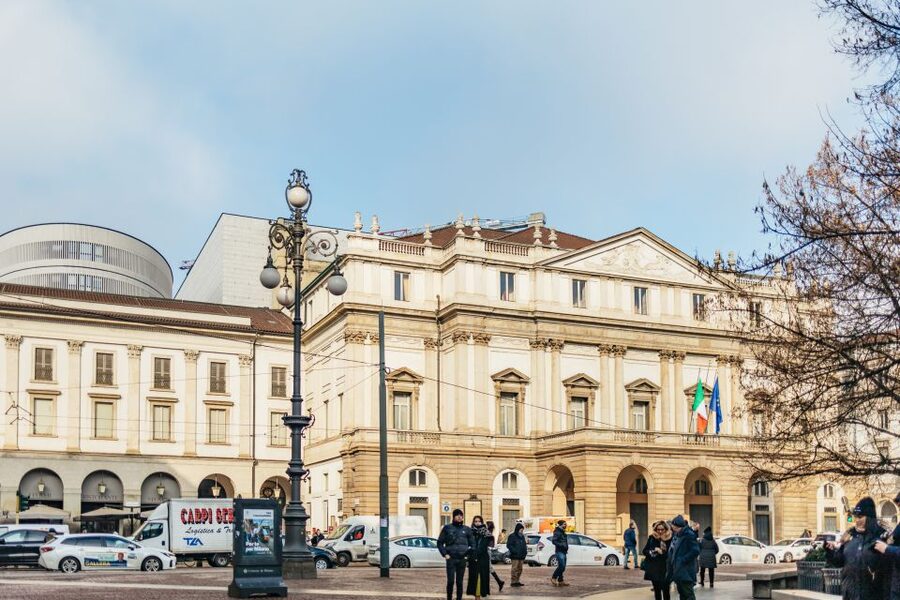
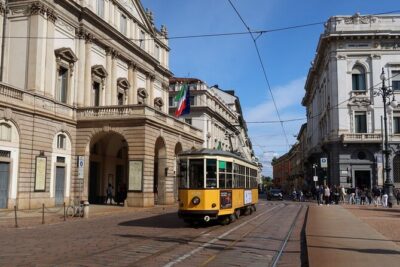
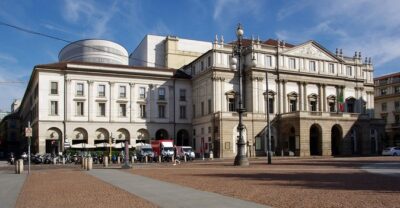
From the street, La Scala can look smaller than you expect for something so world-famous. Then you step inside and realize the scale is part of the design. Many opera houses create distance; La Scala creates closeness, and the tour helps you understand why.
You’ll also notice the theatre sits in an intensely walkable part of Milan. It’s the kind of stop where you can stack it with other sights nearby, without burning half your day on transit.
And yes, it helps that the stories center on the people you actually know—Giuseppe Verdi, Gioachino Rossini, Luciano Pavarotti, and Maria Callas. Hearing those names while you’re in the rooms they were associated with changes the vibe fast.
Meeting point, headsets, and how the tour actually starts
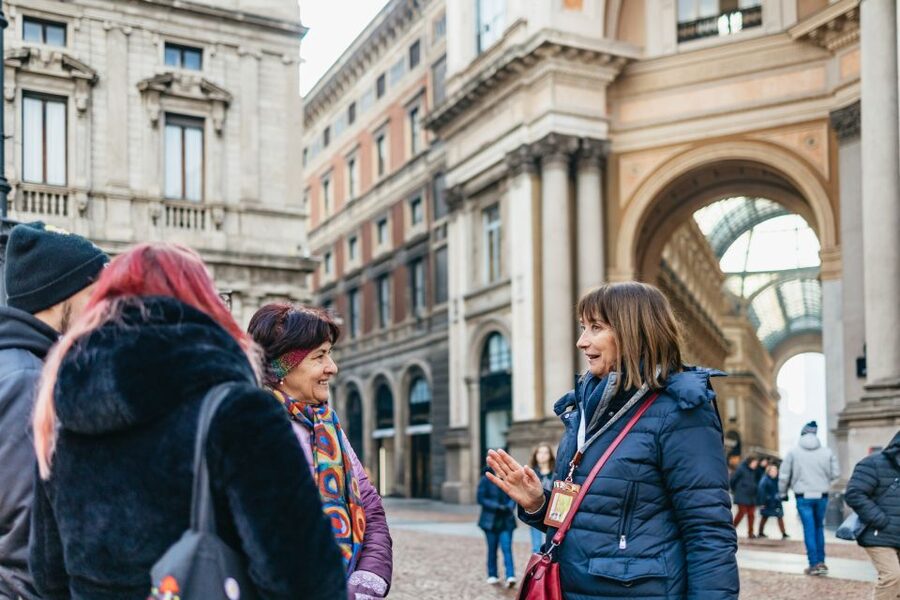
You meet in front of the La Scala Theatre Museum entrance, then look for your guide holding the purple Hidden Experiences flag or board. It’s a simple setup, but it matters: show up a few minutes early so you’re not sprinting in with a backpack and a growling brain.
Headsets are included, which is a big deal here. La Scala’s rooms can be crowded, and sound can bounce around. With the headsets, you keep the guide’s story clear rather than trying to lip-read while other tour groups pass behind you.
Guides also switch languages depending on your group (French, Italian, English, German, Spanish), so you’re not stuck with the usual “we’ll get by” translation situation. People in the guides you’ll likely see—Fabio, Simone, Alice, Giorgio, Chiara, Sylvia, and others—are consistently praised for keeping the tour engaging and easy to follow.
The theatre interior: boxes, staging, and why it matters
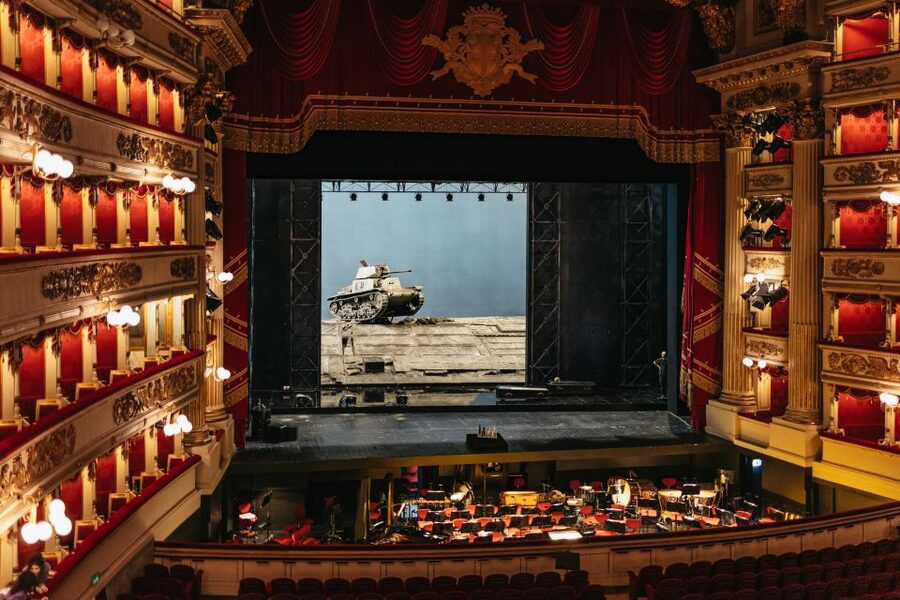
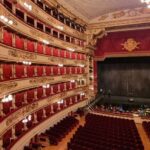
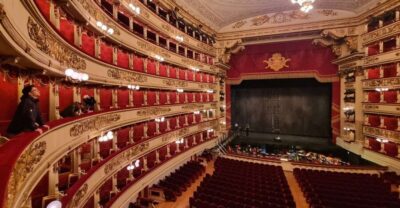
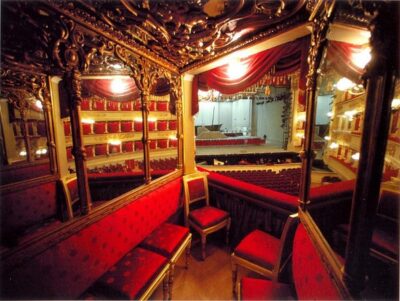
The theatre portion is where La Scala stops being a name and becomes a machine for performance. Your guide will walk you through the elegant interior design and the thinking behind it, including how the theatre developed during its early years and how that history shaped notable performances.
A recurring highlight in this experience is learning about the theatre’s box culture—how the spaces work socially and visually, not just acoustically. On some days you may be able to spend time in areas that usually feel off-limits, including the kind of viewpoint where you can picture actors and musicians from the “used to be here” perspective.
A great guide also connects architecture to artistry. The tour doesn’t just say Verdi or Callas; it helps you understand how a stage like this becomes a stage for specific kinds of storytelling—drama that needs voice projection, emotion that needs controlled lighting, and audiences who are part of the show’s energy.
A few more we would happily send a friend to in Milan
- Milan: City Sightseeing Hop-On Hop-Off Bus with Audio Guide
★ 4.0 · 6,256 reviews - Milan: Guided Walking Tour & Last Supper Visit with Ticket
★ 4.7 · 5,409 reviews - Milan: La Scala Theater & Museum Guided Experience
★ 4.1 · 2,931 reviews - Milan: Last Supper Guided Visit
★ 4.7 · 2,854 reviews - Milan: Duomo Rooftop and Cathedral Guided Tour with Tickets
★ 4.8 · 2,678 reviews
La Scala Museum: costumes, set designs, and instruments you can actually picture
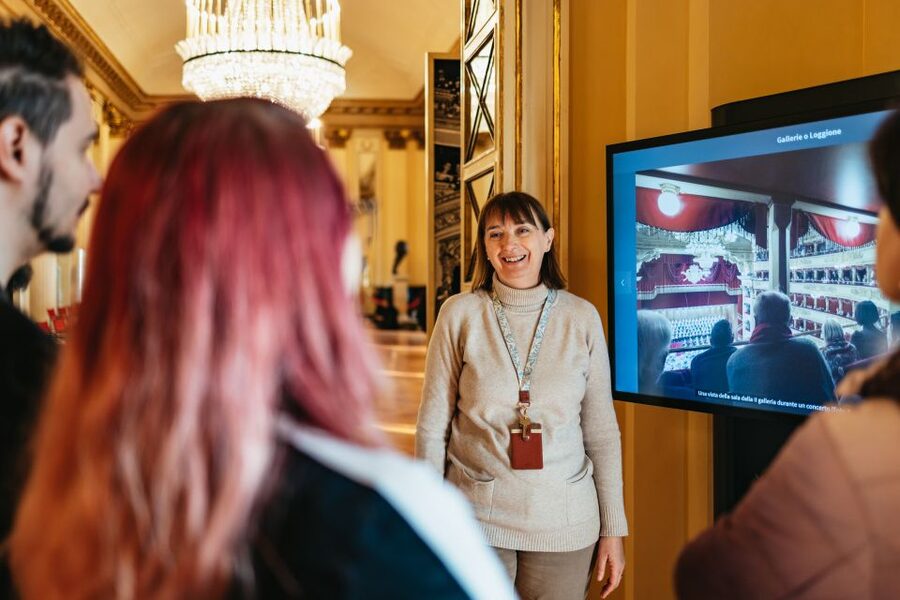
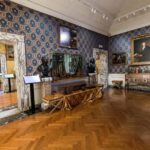
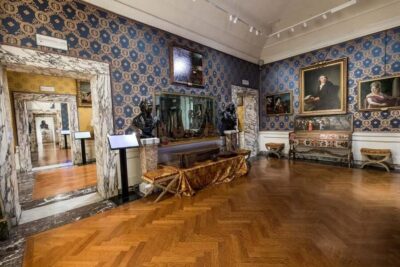
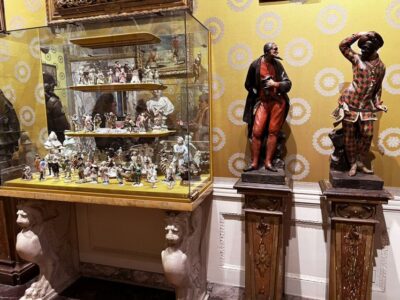
Then you shift from performance to evidence. The museum is built around objects—costumes, set designs, and musical instruments—that make opera feel tangible instead of abstract.
One thing I love about this museum approach is how it supports multiple interests at once:
- If you’re into music, you’ll see instruments tied to famous moments.
- If you care about visual design, the set elements and staging pieces help you understand how scenes were constructed.
- If you love performers, the costumes and personal artifacts bring famous seasons to life.
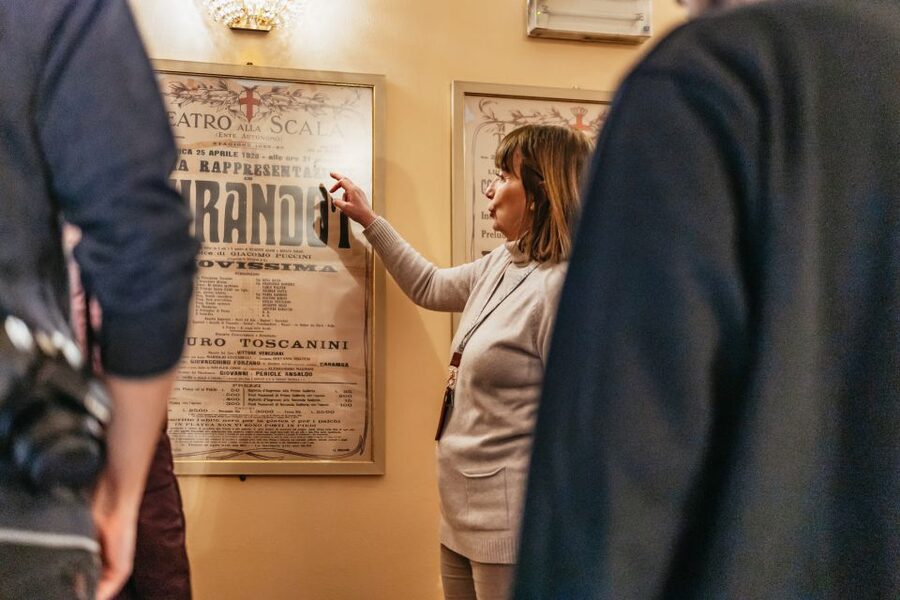
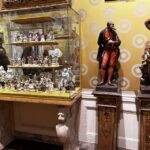
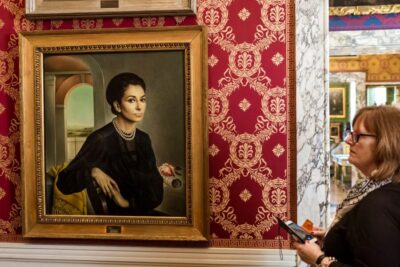
In particular, people mention standout items like a Liszt piano, plus costume and sculpture displays that explain how production design evolves. You’re not just reading captions. You’re getting a guided framework so the objects connect back to the theatre above.
And because the tour includes entry tickets to both the theatre and museum, it avoids that common problem where the “museum part” feels like a quick stop. Here, it’s a real component of the 1.5-hour experience.
When rehearsals add a live spark (or limit what you see)
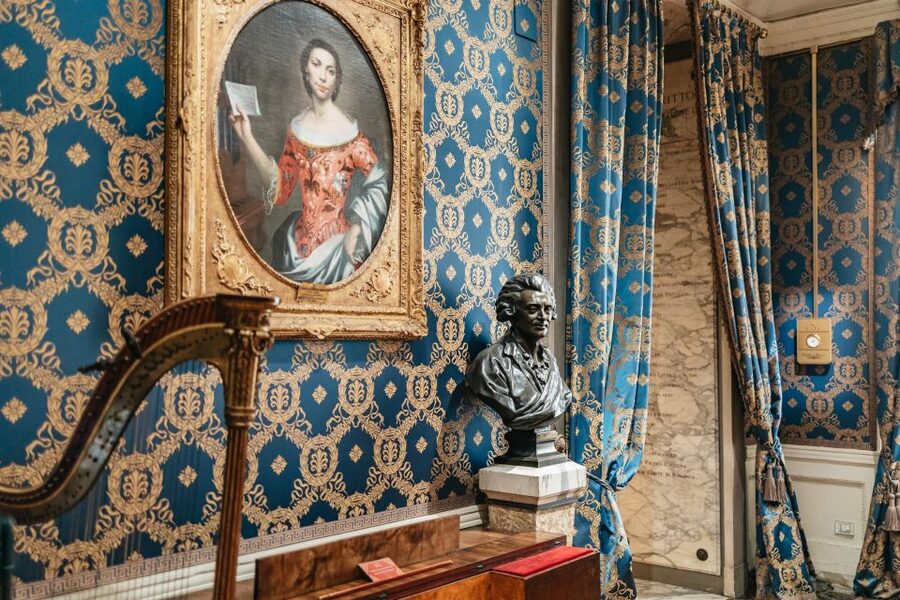
One of the most exciting possibilities is a rehearsal moment. Several people report brief orchestra or ballet rehearsal peeks, sometimes from a box viewpoint or while lights are on inside the hall. Even a couple minutes of rehearsal can change how you feel about the place—suddenly it’s not just history; it’s working theatre right now.
That said, you need to plan for reality. Due to rehearsals and private events, your visit may be limited to the museum only. It’s not a scam; it’s theatre scheduling. The tour still has value because the museum collections and the guide’s explanations don’t depend on you entering the full auditorium.
If you strongly want the theatre interior, ask your guide on the day whether any rehearsal activity is happening and what areas are accessible. If the theatre portion is restricted, you’ll at least know what you can still get from the visit.
1.5 hours sounds short. Here’s why it still works.
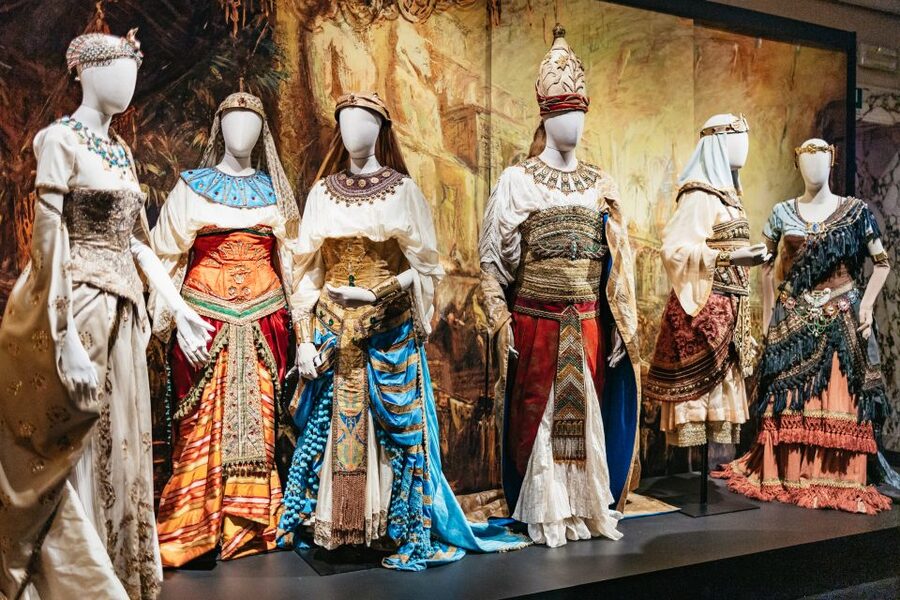
Ninety minutes can vanish fast in big landmarks. La Scala manages better than most because the tour structure is focused: theatre context first, then museum artifacts, with the guide using your time to connect the two.
Headsets help keep pace under control. Small-group conditions are also common, and people often describe the tour as feeling personal when the group is tiny. A smaller group also makes questions easier, especially for people who want more specifics on singers, composers, or how staging elements function.
You’ll leave with a clear mental map:
- what to notice in the theatre spaces,
- how objects in the museum connect to performances,
- and why La Scala earned its reputation globally.
Price and value: what $44 buys you in real terms
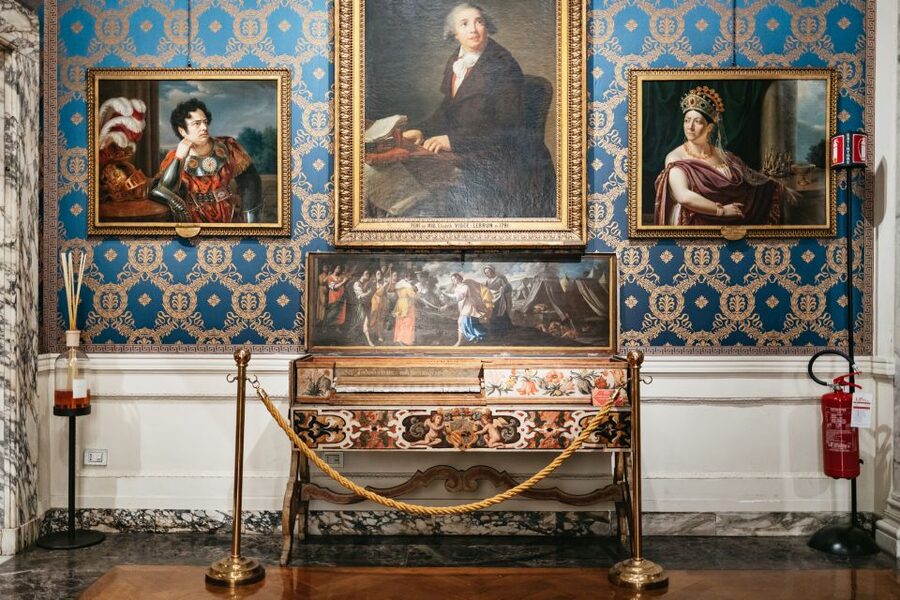
At about $44 per person for roughly 1.5 hours, the value is strongest because you’re not just paying for narration. Your ticket includes:
- entry to the La Scala theatre and museum,
- the guided tour itself,
- and headsets so you hear everything clearly.
A guided visit with included admission is usually the better bargain than paying for entry alone and then trying to figure out what you’re looking at. With opera-related sites, the “what am I seeing?” problem is real. Here, the guide is the cheat code that turns objects and spaces into meaning.
It’s also a good choice if you’re visiting Milan and want culture without committing to the very high cost and time constraints of opera tickets. This tour gives you context, names, and production reality in a compact format.
Who this tour suits best (and who might want a different plan)
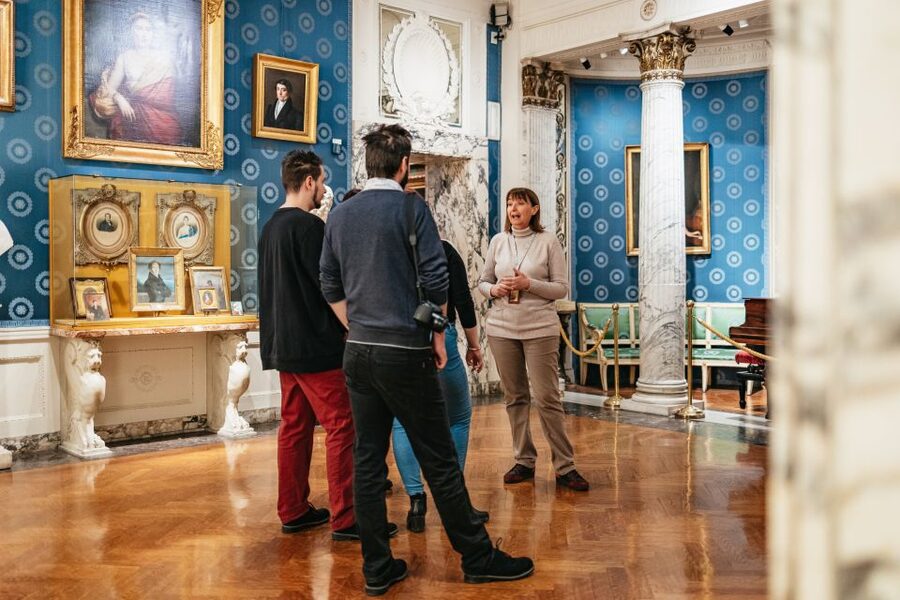
This works really well if you care about any of the following:
- opera and classical music, even if you’re not an expert,
- the history of major composers and performers,
- stagecraft—costumes, sets, and how productions are built,
- architecture and “why this room feels the way it does.”
If you’re traveling with kids, it can still work. One family with children ages 10 and 7 described learning a lot in the time and not feeling bored. The secret is the guide’s pacing and the concrete museum objects.
If your top priority is attending a performance itself, then you’ll still want opera tickets. This tour won’t replace the experience of seeing a full production live. But if you can’t swing that during your dates, it’s a smart, lower-pressure alternative that still feels like you visited the real place.
Practical tips so you don’t trip on the small stuff
Here are the practical details that matter on the ground:
- Don’t bring oversize luggage. It’s not allowed.
- Use the cloakroom for large bags and backpacks. The museum/theatre setup expects this.
- The theatre and museum are accessible for wheelchairs and strollers, so you can plan a smoother visit if mobility is part of your needs.
- The tour is offered in multiple languages, so if you’re choosing between options, match the guide language to your comfort level.
Also, build a little buffer into your schedule. Milan is busy, and you’ll want a stress-free arrival so you can hear the first part of the tour without rushing.
And if you’re the type who likes extra Milan perks, one guide recommendation mentioned trying the famous Barbajada cappuccino associated with Domenico Barbaia, plus visiting the Casa di Riposo per Musicisti. Those aren’t required for the tour, but they’re exactly the kind of nearby culture add-on that makes a visit to La Scala feel connected instead of isolated.
Should you book this tour?
If you want to see La Scala with context—plus a guided museum visit with costumes, sets, instruments, and real production history—this is an easy yes. The price is reasonable for what’s included, and the headsets keep it comfortable.
I’d especially book it if:
- you don’t have opera tickets (or tickets are too pricey on your dates),
- you love the names Verdi, Rossini, Pavarotti, or Callas and want them tied to real spaces,
- you want the best shot at theatre access without spending hours figuring things out on your own.
Only hesitate if you’re extremely inflexible about seeing the theatre interior specifically. Because schedules can restrict access, you could end up with the museum portion more than the auditorium. Still, the museum + guide is strong enough to make it worthwhile.
FAQ
How long is the La Scala Theatre and Museum guided tour?
The tour lasts 1.5 hours.
What is included in the $44 price?
The price includes entry tickets to La Scala Theatre and Museum, the guided tour, and headsets to hear the guide clearly.
Where do I meet the guide?
Meet in front of the entrance to the La Scala Theatre Museum and look for the guide with the Hidden Experiences purple flag or board.
What languages are available for the live guide?
The tour offers live guiding in French, Italian, English, German, and Spanish.
Is the theatre and museum visit accessible for wheelchairs and strollers?
Yes, the theatre and museum are accessible to wheelchairs and strollers.
Can the visit be limited to the museum only?
Yes. Due to rehearsals and private events, the visit may be limited to the museum only. Large bags and backpacks must be checked into the cloakroom, and oversize luggage is not allowed.
More Tours in Milan





More Tour Reviews in Milan


More at La Scala

Fresh in our Milan notebook



La Scala & Opera Tours, compared.
 ★ 4.0Milan’s Must See: Half-Day Tour of Last Supper, Duomo & La ScalaFrom $1304,193 reviews
 ★ 4.1La Scala Theater & Museum Guided ExperienceFrom $342,931 reviews
 ★ 4.3Entrance Ticket to La Scala Theatre MuseumFrom $172,098 reviews
 ★ 4.7La Scala Theater and Museum Tour with Entry TicketsFrom $341,722 reviews
★ 4.4Entrance Ticket to La Scala Theatre MuseumFrom $17759 reviews
★ 4.7La Scala Theater and Museum Tour with Entry TicketsFrom $341,722 reviews
★ 4.4Entrance Ticket to La Scala Theatre MuseumFrom $17759 reviews
 ★ 4.5La Scala Theatre Skip-the-line Guided TourFrom $44728 reviews
 ★ 4.5La Scala Theatre and Museum guided experienceFrom $56664 reviews
 ★ 3.5La Scala Theatre and Museum Tour in Milan With Private GuideFrom $47384 reviews
Browse the lists this tour appears in