
Reviewed · LA SCALA & OPERA TOURS
Milan: Entrance Ticket to La Scala Theatre Museum
La Scala feels like Milan keeps its promises. I love the chance to see the inside of an opera house and then walk through the objects behind the performances. The museum makes it easy to understand why this venue matters.
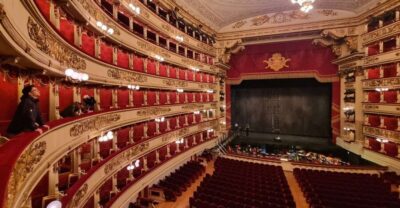
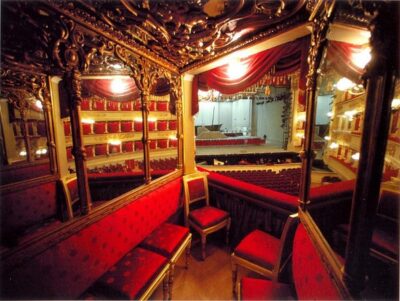
Here’s the best part: you’re not just looking at photos. You get an actual view from the auditorium area (often from balcony/boxes), plus museum rooms with instruments, costumes, and sets tied to landmark productions. The one thing to plan around is that access can change depending on what’s happening onstage—some visits are darker, and sometimes you don’t get the full main-room view.
In This Review
- Key Things That Make This La Scala Visit Worth Your Time
- La Scala’s Museum Location: A Perfect Fit for Duomo-Day Walking
- Entering the Theatre: Auditorium Views, Boxes, and the Lighting Check
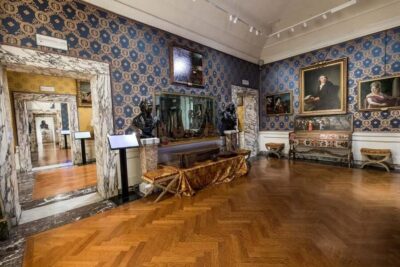
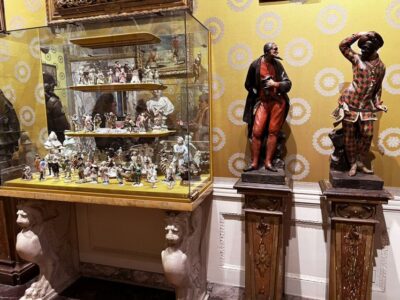
- Museum Rooms You’ll Actually Remember: Costumes, Sets, Instruments, Portraits
- Early Years and Notable Performances: How La Scala Became a Milan Must
- The Audio Guide App in 7 Languages: Use It Like a Tour, Not Background Noise
- Timing and Real-Life Theatre Conditions: Plan Around What Might Happen Onstage
- Practical Logistics That Can Save Your Day: Bags, Entry, and Photos
- Price and Value: Is $17 Plus Fees a Smart Buy?
- Who This Ticket Suits Best (and Who Might Want a Backup Plan)
- Should You Book La Scala Theatre Museum Tickets?
- FAQ
- How long is the La Scala Theatre Museum ticket valid?
- Is there an audio guide included, and how many languages?
- Does the ticket help you avoid long lines?
- Is the theatre and museum wheelchair accessible?
- What do I need to do with large bags or backpacks?
- Is this ticket refundable?
Key Things That Make This La Scala Visit Worth Your Time
- Skip-the-line entry so you can spend your limited Milan hours on the building itself
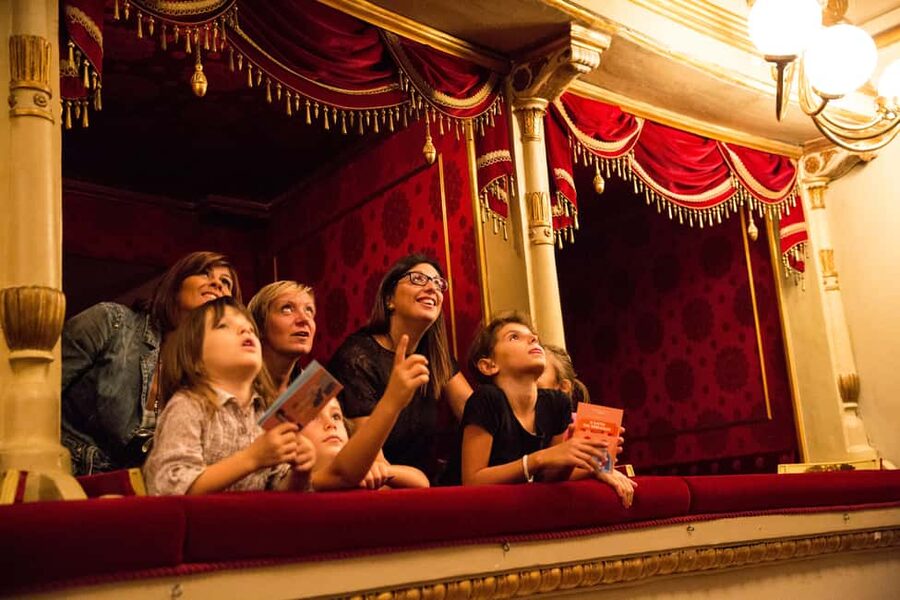
- Main theatre views from spectator areas like balconies or boxes when lighting allows
- Museum rooms with costumes, sets, and musical instruments tied to major productions
- Portraits and busts that put the famous names in context
- An audio guide in 7 languages you can use at your own pace
Behind the curtain at La Scala, a few more
- Milan’s Must See: Half-Day Tour of Last Supper, Duomo & La Scala★ 4.0 · 4,193 reviews
- Milan: La Scala Theater & Museum Guided Experience★ 4.1 · 2,931 reviews
- Milan: “Museo Teatrale Alla Scala” Guided Tour★ 4.6 · 2,513 reviews
La Scala’s Museum Location: A Perfect Fit for Duomo-Day Walking
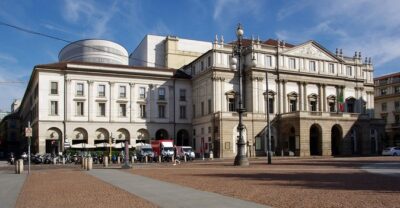
La Scala Theatre Museum sits in the central Milan orbit, close enough to pair with the sights you already plan for around the Duomo and Vittorio Emanuele Gallery. If you’re doing a classic first-timer loop, this is the kind of stop that doesn’t require a detour or a full transit plan.
I also like that it’s a calm “culture break” from shopping crowds and long church lines. Even if you’re not a die-hard opera person, the building is an easy win: elegant interior spaces, clear storytelling, and a museum that turns famous works into something you can actually picture.
Entering the Theatre: Auditorium Views, Boxes, and the Lighting Check
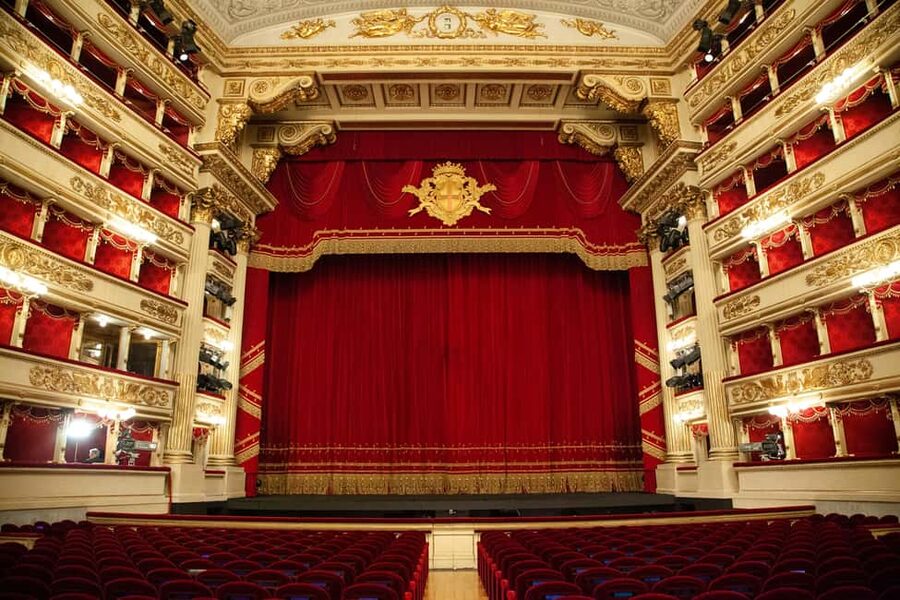
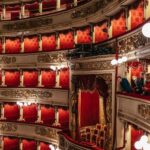
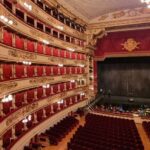
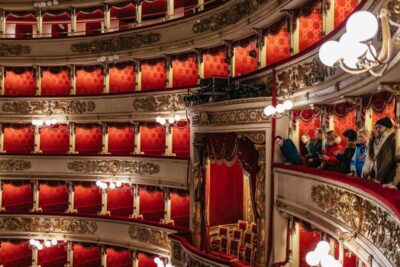
This ticket is all about stepping into Teatro alla Scala and seeing what makes the place feel so dramatic. When the theatre is lit, the main room (or at least the best-available spectator viewpoint) looks stunning—think gilded details and the sense of scale you just don’t get from outside photos.
One practical tip matters more than people expect: check whether the theatre lights are on. There’s an official visibility page at https://www.museoscala.org/it/visibilita-teatro.html, and it can make the difference between a great view and a disappointing one where you’re peering through dim conditions.
Rehearsals are another wild card (in a good way). Some visits have included the kind of behind-the-scenes moment that makes you feel like you’re in the “real working theatre,” including reports of rehearsals by major artists and rehearsals for specific productions. Still, when rehearsals are running, you might be restricted to certain areas or see less of the main auditorium.
So here’s my advice: if your goal is the best theatre look, you’re going to get the most value from booking a time slot that lines up with strong visibility and stage access.
Museum Rooms You’ll Actually Remember: Costumes, Sets, Instruments, Portraits
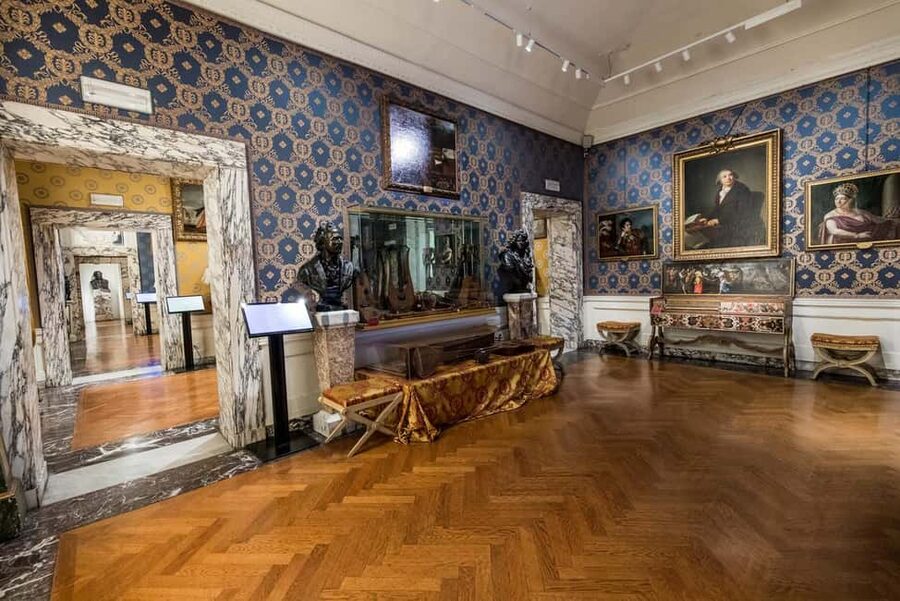
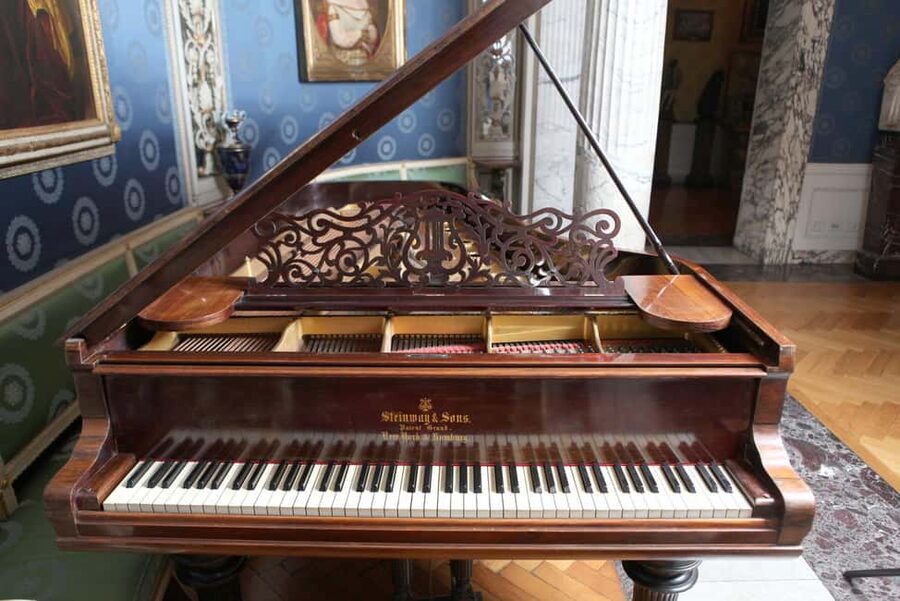
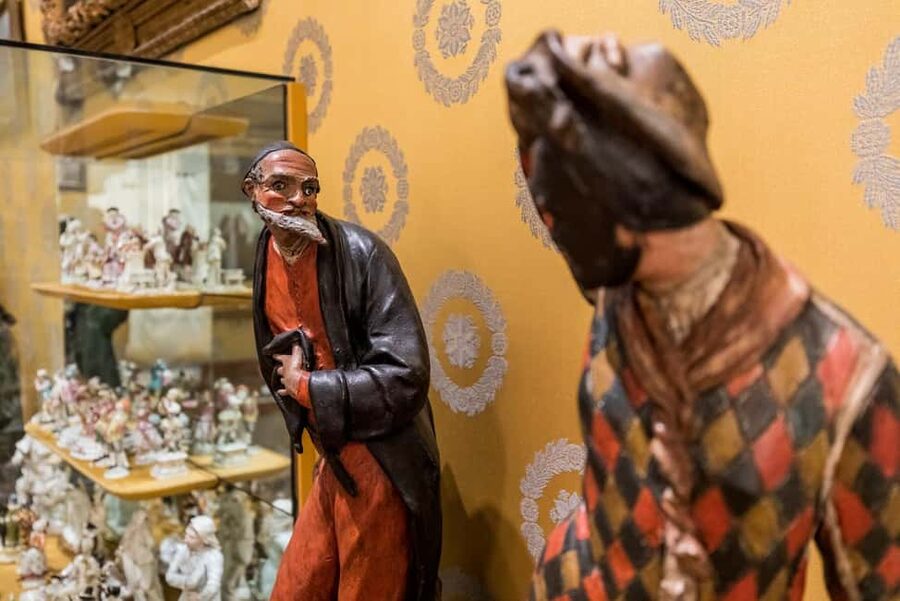
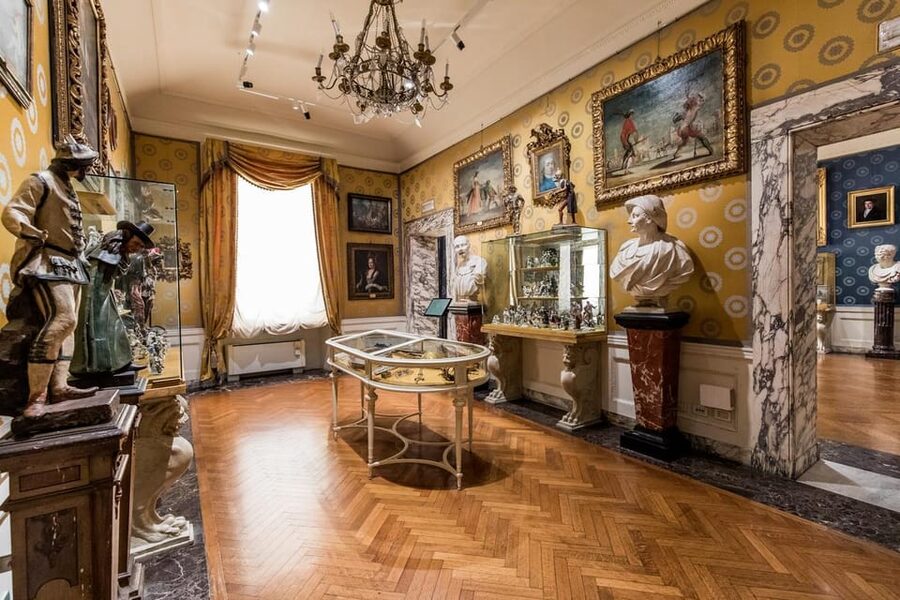
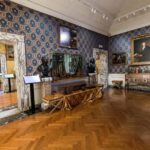
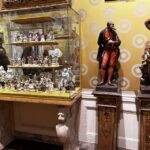
Once you’re past the theatre moment, the museum is where the ticket becomes more than a quick look. The collections are built around the production process: costumes and set designs, plus musical instruments used in the world of La Scala.
I like the way the museum doesn’t just list names. You get objects that help you understand how opera becomes a staged event—how visuals, sound, and performance craft combine. It’s a reminder that the magic isn’t random; it’s engineered.
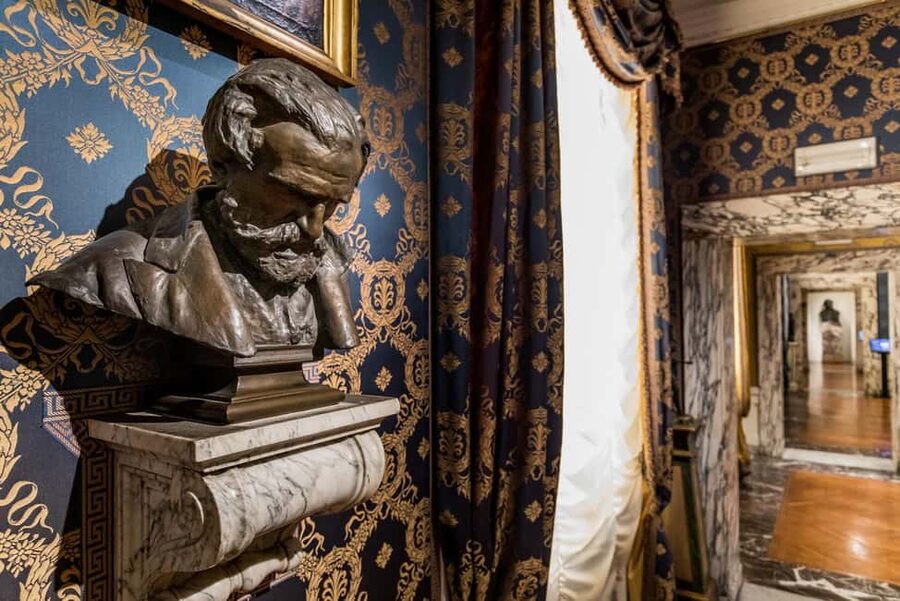
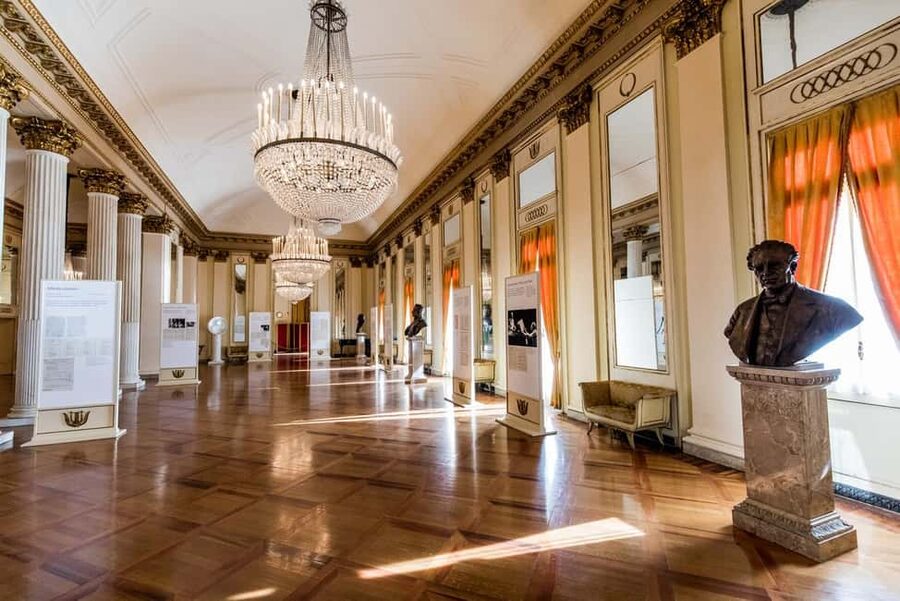
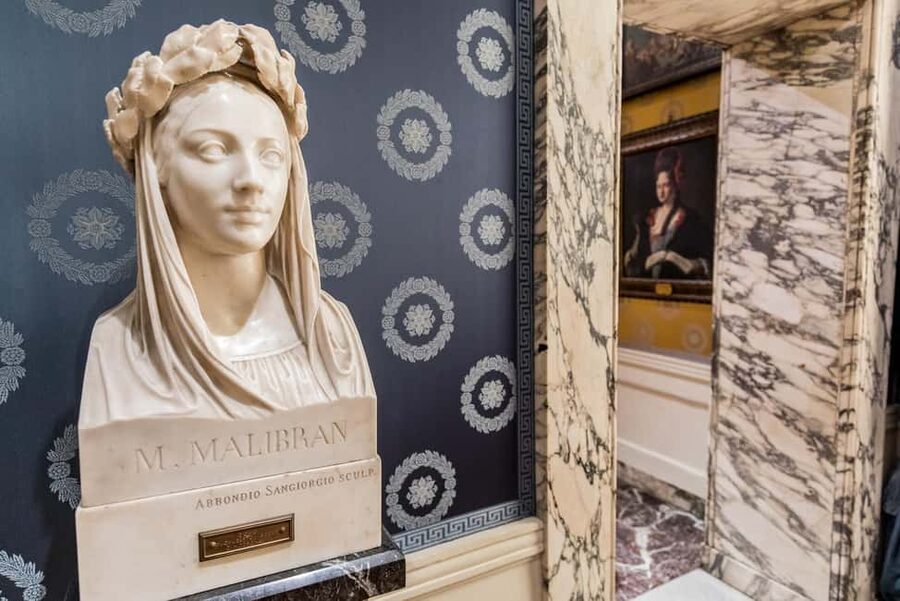
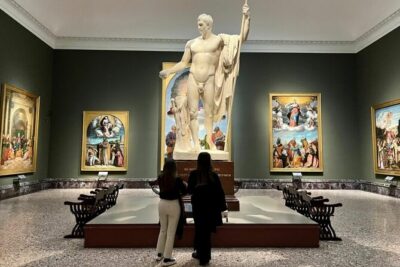
You’ll also find portraits and busts for major figures associated with La Scala’s legacy. That visual gallery helps you place famous names in a timeline, so the references you’ll hear later (in conversations, books, or even other museum stops) feel less abstract.
And if you’re curious about how the theatre itself works, you might encounter interactive or explanatory elements that show the building’s mechanics and history. Even if you skip that section, the rest is worth it for the tangible production artifacts.
A few more we would happily send a friend to in Milan
- Milan: Cathedral and Duomo’s Terraces Entrance Ticket
★ 4.6 · 61,054 reviews - Milan: Guided Walking Tour & Last Supper Visit with Ticket
★ 4.7 · 5,409 reviews - Duomo Terraces Fast-Track Ticket & Optional Duomo Entry
★ 4.5 · 4,870 reviews - Milan: Leonardo3 The World of Leonardo Museum Entry Ticket
★ 4.4 · 3,936 reviews - Milan: Duomo Rooftop and Cathedral Guided Tour with Tickets
★ 4.8 · 2,678 reviews
Early Years and Notable Performances: How La Scala Became a Milan Must
The museum storytelling follows the arc of La Scala’s early years and its most memorable performances. You’ll get a sense of how the theatre became a cultural magnet—attracting legendary composers and performers whose work shaped what people expected from opera.
This part is especially useful if opera is new to you. Instead of walking in blind, you leave with a basic map of what La Scala stands for, why it’s tied to specific artists, and how its stage history changed over time.
I also think this section is what turns the visit into more than sightseeing. When you understand the “why,” the interior design stops being just pretty architecture and starts being connected to performance traditions.
The Audio Guide App in 7 Languages: Use It Like a Tour, Not Background Noise
The ticket includes an app audioguide in 7 languages, downloadable at the museum. This is one of those inclusions that makes the experience easier to control without needing a formal group tour.
Here’s how I’d use it to get more out of the building:
- Start it right away so you catch the basics while you’re still oriented.
- Pause it when you’re looking at costumes, sets, and instruments—give your eyes time to match what you’re hearing.
- Save later sections for when you’re in quieter rooms, so the audio doesn’t feel rushed.
You don’t need to “listen to everything.” Even picking up the key context in the early galleries makes the portraits, production artifacts, and theatre references click faster.
If you prefer a slow pace, the audio guide helps you avoid the trap of racing through museum rooms just to finish. At La Scala, the pacing is part of the experience.
Timing and Real-Life Theatre Conditions: Plan Around What Might Happen Onstage
Here’s the honest truth about theatre museums: sometimes the building is being used. That can be great—because you might catch rehearsal energy—but it can also affect visibility.
You might run into situations like:
- Theatre lighting turning off or not reaching the main area you hoped to see
- Access limited to certain viewpoints during rehearsals
- A view that’s partially blocked by windows or angle restrictions
The museum does try to keep things moving, but your experience can depend on the day’s schedule. This is why the visibility check is so valuable, and why booking for a time with strong lighting gives you the best shot at seeing the theatre in full.
If you’re the kind of visitor who cares most about the main room look (not just the museum), pick your time like it’s the performance. Show up ready to make the theatre moment your priority.
Practical Logistics That Can Save Your Day: Bags, Entry, and Photos
This ticket is designed to be straightforward. You’re set up to skip the ticket line, so you can head inside without spending your Milan time watching other people argue with a queue.
Plan for large bags and backpacks: you’ll need to check them into the cloakroom. That’s not glamorous, but it’s normal in major historic venues and it keeps the interior spaces clear. If you’re traveling light, even better.
One more practical note: some situations involving rehearsals can come with restrictions. There have been mentions of limits on taking photos or videos when the theatre is active. If you want to avoid awkward moments, keep your phone away until you see what’s allowed in the spaces you’re in.
Price and Value: Is $17 Plus Fees a Smart Buy?
At around $17 per person (with an additional 2 euro booking fee included in the total pricing shown), this ticket sits in the “reasonable splurge” category for Milan.
Is it worth it? For most people, yes—because you’re getting two experiences tied together:
- A live look at an opera house interior, and
- Museum content with actual production artifacts.
Where the value can vary is your theatre-view outcome. If lighting is good and you get a strong vantage point from the auditorium area, you’ll feel like the ticket paid off immediately. If conditions limit what you can see, the museum still has enough substance—costumes, sets, instruments, and portrait galleries—to keep the visit satisfying, just a bit shorter in impact.
If you’re choosing between La Scala and another top museum on the same day, I’d pick this one if you want “Milan with drama.” The theatre element turns it into a story you can picture, not just read.
Who This Ticket Suits Best (and Who Might Want a Backup Plan)
This experience is a great fit if you:
- Want a Milan cultural landmark that’s easy to add to a walkable day
- Like music, performance, ballet, or classical arts, even if you don’t know every name
- Appreciate museums with real objects tied to famous productions
It’s also ideal if you enjoy small-scale, focused visits. The museum isn’t presented as a huge sprawling complex, so the experience tends to stay manageable and readable.
A backup plan helps if you’re picky about seeing the main auditorium from the best angle. Because access can be affected by theatre conditions, you’ll get the most confidence by doing the lighting check and choosing a time when the theatre is likely to be viewable.
Should You Book La Scala Theatre Museum Tickets?
I’d book it if you want a compact, high-impact taste of one of Italy’s most important opera stages. The combo of theatre access plus museum galleries (costumes, sets, instruments, and portraits) gives you enough substance that the ticket doesn’t feel like a quick “photo stop.”
If you care most about the auditorium look, do your homework: check the visibility/lighting info before you commit. And plan to be flexible if the day’s rehearsal schedule changes how much of the main room you can see.
Overall, this is a strong value for people who like culture with atmosphere—and who want their Milan day to feel like it has a pulse.
FAQ
How long is the La Scala Theatre Museum ticket valid?
The ticket is valid for 1 day. Check available starting times to pick the slot that works best for your schedule.
Is there an audio guide included, and how many languages?
Yes. The experience includes an app audioguide in 7 languages, which you download at the museum.
Does the ticket help you avoid long lines?
Yes. It’s described as skipping the ticket line.
Is the theatre and museum wheelchair accessible?
Yes. The theatre and museum are wheelchair accessible.
What do I need to do with large bags or backpacks?
Large bags and backpacks must be checked into the cloakroom.
Is this ticket refundable?
No. The activity is non-refundable.
More Tickets in Milan



More Tour Reviews in Milan



More at La Scala


Fresh in our Milan notebook



La Scala & Opera Tours, compared.
 ★ 4.0Milan’s Must See: Half-Day Tour of Last Supper, Duomo & La ScalaFrom $1304,193 reviews
 ★ 4.1La Scala Theater & Museum Guided ExperienceFrom $342,931 reviews
 ★ 4.6“Museo Teatrale Alla Scala” Guided TourFrom $442,513 reviews
 ★ 4.7La Scala Theater and Museum Tour with Entry TicketsFrom $341,722 reviews
 ★ 4.4Entrance Ticket to La Scala Theatre MuseumFrom $17759 reviews
 ★ 4.5La Scala Theatre Skip-the-line Guided TourFrom $44728 reviews
 ★ 4.5La Scala Theatre and Museum guided experienceFrom $56664 reviews
 ★ 3.5La Scala Theatre and Museum Tour in Milan With Private GuideFrom $47384 reviews
Browse the lists this tour appears in