
Reviewed · AUDIO TOURS
Milan: Palazzo Citterio Entry Ticket & Audio Guide App
Palazzo Citterio is small enough to savor. I like the neoclassical rooms for their drama, and I love that the ticket comes with a smartphone audio app so you can learn as you go. One thing to plan for: the visit is self-directed, and you may need to convert your digital ticket into a paper one to avoid extra waiting.
You get the best of two eras in one place: classic architecture upstairs, modern and contemporary works throughout. I also like the calm ending in the gardens, because you can decompress right after the art without searching for a café.
The main drawback is simple: no guided tour is included. If you want someone to explain every wall label and connect the dots for you, you might feel a bit on your own.
In This Review
- Key things to know before you go
- Palazzo Citterio: a neoclassical building with modern art in its bones
- Your audio app plan: how to tour Milan by sound, not by schedule
- What you’ll actually see: modern and contemporary works in historic rooms
- Neoclassical details that make the building feel worth the ticket
- The garden finish: where to slow your pace after the art
- Pacing a 1-day ticket: how to avoid the rushed feeling
- Price and value: what $17 gets you (and what it doesn’t)
- Who this works best for
- Practicalities that affect your experience day
- Plan for ticket format
- Don’t forget the free first-Sunday option
- Expect a self-guided layout
- Accessibility
- Should you book Palazzo Citterio with the audio app?
- FAQ
- What is included in the Palazzo Citterio ticket?
- How much does the ticket cost?
- How long is the experience valid for?
- Is a guided tour included?
- What languages is the audio guide app available in?
- Do I need to download anything on my phone?
- Is free admission available?
- Can I cancel for a refund?
- Is there a pay-later option?
- Is Palazzo Citterio wheelchair accessible?
Key things to know before you go
- Neoclassical grandeur in a setting that feels more intimate than the big museum circuit
- Audio app for your pace, available in multiple languages for repeat-friendly listening
- Modern art names you’ll recognize (Modigliani, Picasso, Boccioni)
- Garden stroll to end on a quieter note, not a rushed exit
- A self-guided visit means you’ll control what you linger on
- First Sunday free admission is possible, but reservations are required
A few more we would happily send a friend to in Milan
- Milan: Cathedral and Duomo’s Terraces Entrance Ticket★ 4.6 · 61,054 reviews
- Milan: Guided Walking Tour & Last Supper Visit with Ticket★ 4.7 · 5,409 reviews
- Duomo Terraces Fast-Track Ticket & Optional Duomo Entry★ 4.5 · 4,870 reviews
Palazzo Citterio: a neoclassical building with modern art in its bones
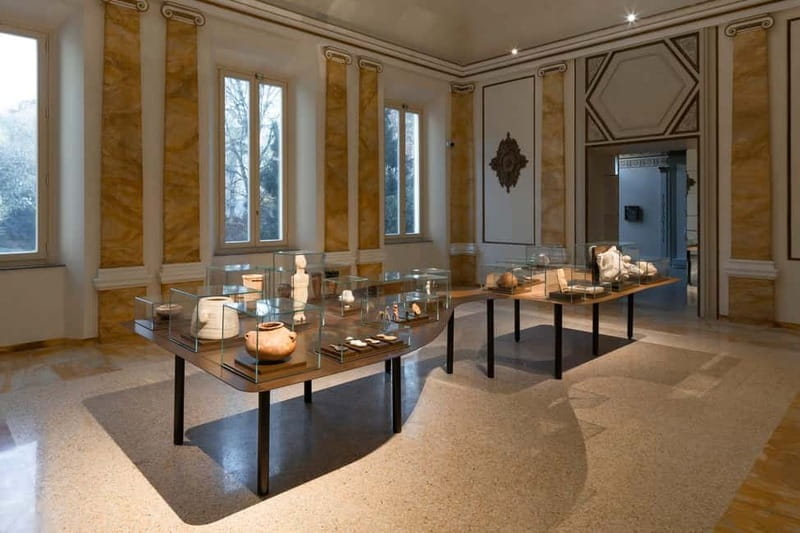
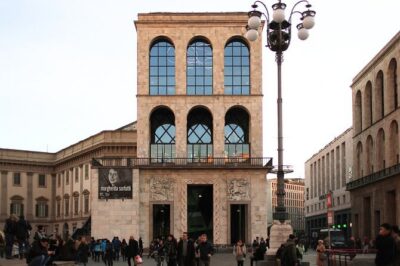
Palazzo Citterio is the kind of Milan stop that rewards walking slowly. Instead of one big, single-theme museum, you move through rooms where the architecture does part of the talking. You’ll notice how the space shapes your attention: tall interiors push your eyes upward, then the art brings you back down to details.
I like that the experience doesn’t force a rigid route. You can follow the audio guide linearly, or you can pause when something catches your eye. That flexibility matters here, because the collection isn’t just one style. It’s a mix—past and present sitting side by side.
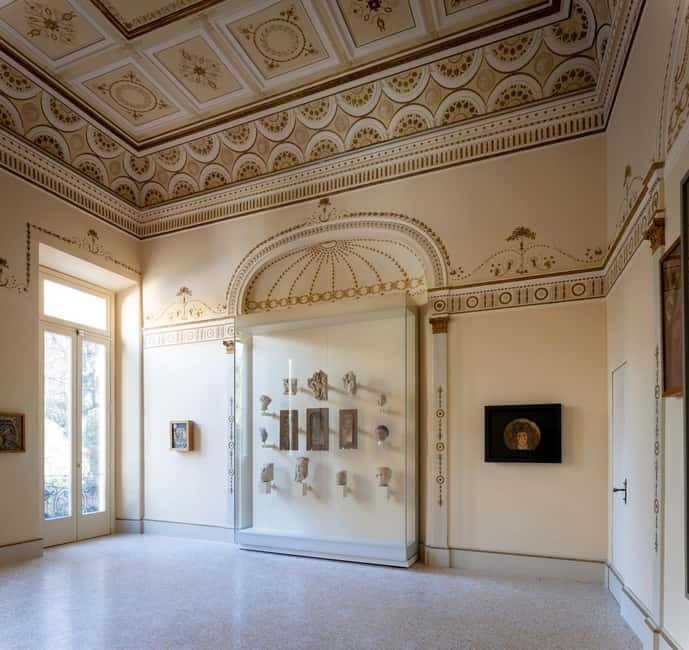
The building’s neoclassical character gives the art extra stage presence. A painting or sculpture can feel more grounded when it’s shown in a historic room designed to impress. And when you’re done, the visit doesn’t end abruptly. You can shift gears into the gardens and let your brain cool off.
Your audio app plan: how to tour Milan by sound, not by schedule
This ticket includes a digital audio guide app for Milan that you download to your smartphone. The audio is available in Italian, English, Spanish, French, German, and Mandarin, so you can match your comfort level instead of guessing from signs.
Here’s how I’d use it for the smoothest day:
- Before you go: download the app and check the language setting, so you’re not fussing with your phone at the entrance.
- During the visit: use the audio to decide what to focus on. The guide helps you connect names and styles without requiring a live guide.
- After the visit: if you still have energy, keep using the audio to help you plan what to see next in Milan, since the palazzo sits in a central area.
Because it’s self-guided, you won’t have someone herding you through. That can be a plus if you hate rushing. It can also be a minus if you really want human commentary. You’re trading the certainty of a tour group for control of your time.
What you’ll actually see: modern and contemporary works in historic rooms
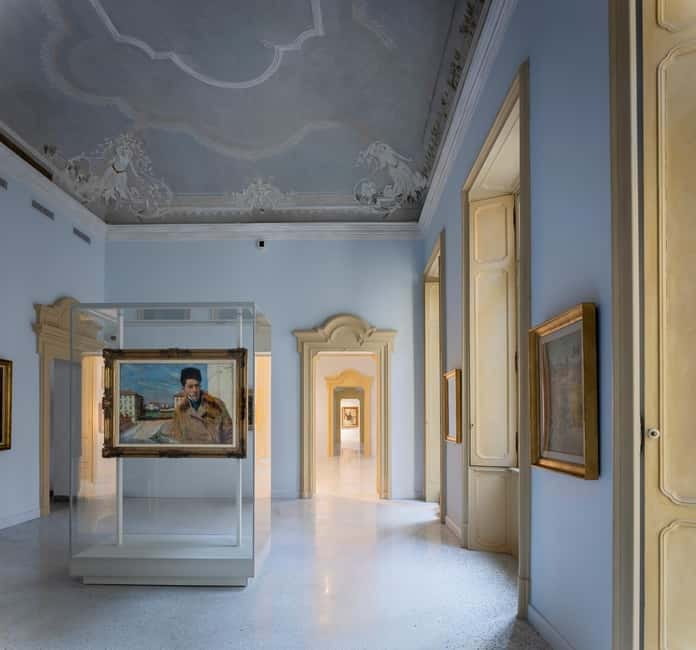
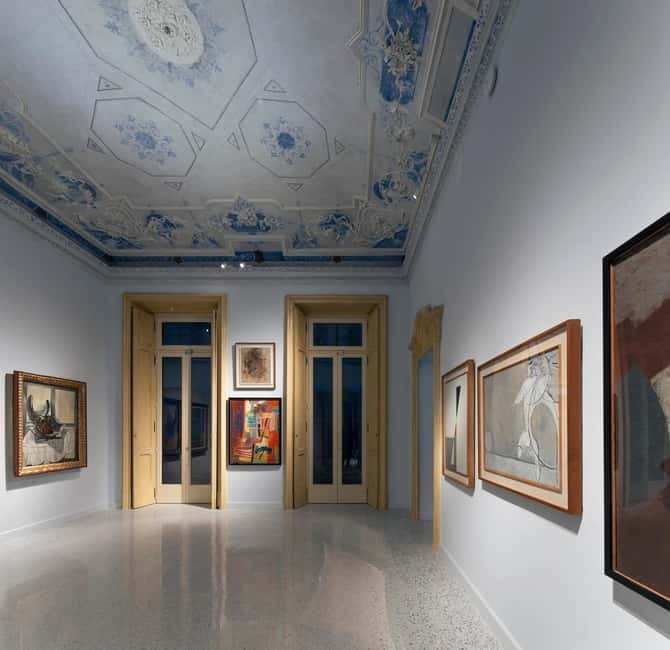
Palazzo Citterio is known for the way it blends settings—neoclassical architecture and a modern art collection that includes major names. As you walk through the rooms, you’ll see works by artists such as Modigliani, Picasso, and Boccioni. Even if you don’t know every term in the art world, those names help you anchor what you’re looking at.
What I find practical about this kind of collection: it’s not only for specialists. You can approach it like a visual conversation. The architecture sets a formal mood; the art can challenge it. That push-pull is often the point of the experience.
A good strategy is to pick one or two artists to follow closely rather than trying to notice everything at once. The audio app makes that easier, since you can spend extra time where the guide gives the most useful context. Then you’ll still feel like you covered the essentials without turning it into a checklist.
A few more we would happily send a friend to in Milan
- Milan: City Sightseeing Hop-On Hop-Off Bus with Audio Guide
★ 4.0 · 6,256 reviews - Milan: Guided Walking Tour & Last Supper Visit with Ticket
★ 4.7 · 5,409 reviews - Milan: La Scala Theater & Museum Guided Experience
★ 4.1 · 2,931 reviews - Milan: Last Supper Guided Visit
★ 4.7 · 2,854 reviews - Milan: Duomo Rooftop and Cathedral Guided Tour with Tickets
★ 4.8 · 2,678 reviews
Neoclassical details that make the building feel worth the ticket
Even if your heart leans modern, the building itself is part of the value. Neoclassical spaces tend to reward attention to structure: proportions, light, and the way rooms transition into each other.
When the audio guide cues you to look up or notice a specific element, take it seriously. Those prompts can turn a generic room into a meaningful one. Otherwise, it’s easy to treat the architecture as a backdrop.
I also like how the palazzo’s scale can help you avoid that museum fatigue you get in larger institutions. You don’t feel trapped in a mega-route. You can slow down, then speed up—without breaking the visit.
The garden finish: where to slow your pace after the art
At the end, you can stroll through the palazzo’s gardens. This is more than just a nice view. It changes the rhythm of the day.
After looking at art (especially works with emotional or modern intensity), a calm outdoor walk helps you reset. You get time to reflect without stepping immediately into crowds or traffic noise. Even if your legs are tired, this is a gentle way to close the loop.
If you’re the type who always forgets to factor in downtime, don’t skip this part. You’ll leave the palazzo feeling less like you survived it and more like you experienced it.
Pacing a 1-day ticket: how to avoid the rushed feeling
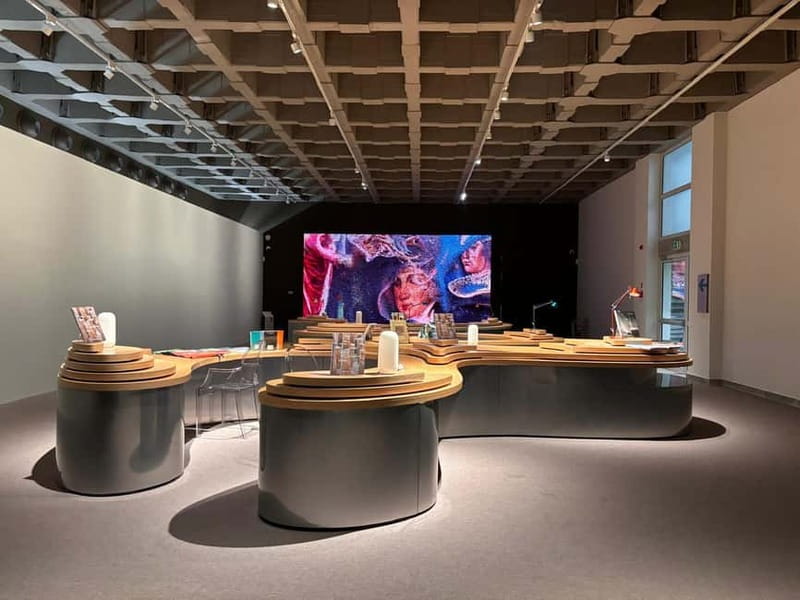
The ticket is valid for 1 day, and you’ll want to check availability for starting times. Because you’re not tied to a group schedule, your main job is pacing.
I’d plan for about a couple of focused passes rather than one marathon:
- First pass: follow the audio to get your bearings fast and catch the biggest “anchor” moments.
- Second pass (selective): return only to what you truly liked. This works well with a self-guided app because you won’t feel guilty missing something.
If you’re in Milan for a short stay, Palazzo Citterio is a good use of time because it connects well to nearby sights. You’re not stuck spending your whole day alone in one building. You can use it as a cultural warm-up or a calmer mid-day break between louder attractions.
Price and value: what $17 gets you (and what it doesn’t)
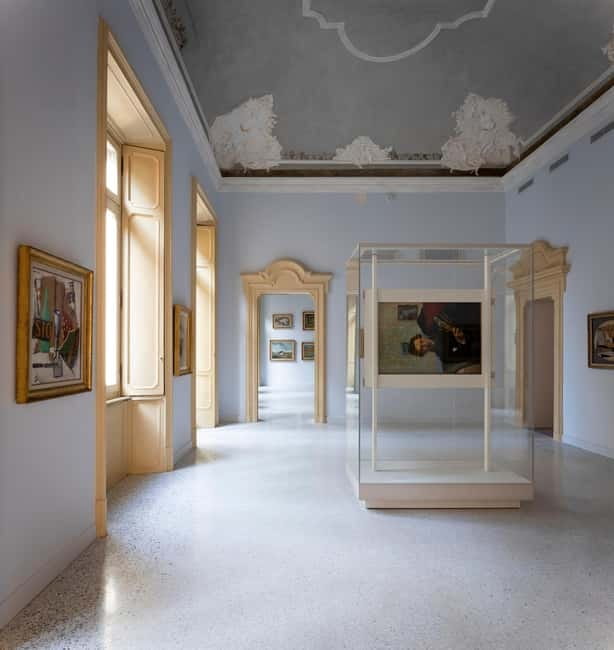
The listed price is $17 per person. That’s not a bargain ticket, but it also doesn’t try to be a full-day mega-museum experience. The value comes from what’s included and how it lets you personalize the visit.
You get:
- Entry ticket to Palazzo Citterio
- A digital audio guide app (multilingual, downloadable)
You do not get:
- A guided tour
So the real question is your style. If you’re happy learning at your own pace and using your phone thoughtfully, $17 can feel fair. If you need a guide’s explanations to make the art click, you may want to pair this with another experience that includes a person-led walkthrough—because this one won’t supply that.
Also consider the possible “paper ticket” snag. One issue that can add time is if the venue requires a physical ticket even after you purchase digitally. If that happens to you, plan a little buffer near the entrance so your day doesn’t feel tight.
Who this works best for
This experience is a strong match if:
- You like art but also like controlling your pace
- You want a straightforward ticket plus audio guidance
- You enjoy architecture and want the building itself to matter
- You prefer a quieter ending, thanks to the gardens
You might look elsewhere (or add something extra) if:
- You want a live guide to connect themes and explain techniques
- You dislike using your smartphone for learning during sightseeing
- You’re someone who does best with tightly guided routes and time windows
In practice, it’s a good choice for couples, solo visitors, and anyone who wants a “smart but not strict” museum outing.
Practicalities that affect your experience day
A few details can make or break the flow, and they’re worth knowing up front.
Plan for ticket format
The audio app is straightforward, but the ticket itself may require attention when you arrive. If the venue requests a paper ticket, you could end up waiting longer than you expected. Bring patience, and give yourself a small time buffer at the start.
Don’t forget the free first-Sunday option
You can get free admission with reservation required every first Sunday of the month. If your trip lines up, it’s a great way to lower costs. Just remember that “free” often comes with a tighter preparation step—reservation is required.
Expect a self-guided layout
Because there’s no guided tour included, you’re relying on the audio app for the narrative. That’s not a problem if you’re comfortable reading the room and pressing play when you want context. If you tend to ignore audio at museums, you may want to reconsider.
Accessibility
The site is wheelchair accessible, which is important for planning a smooth route through rooms and onward to the gardens.
Should you book Palazzo Citterio with the audio app?
Yes, I think you should book it if you want a smart cultural stop that doesn’t bully your schedule. The combination of entry + multilingual audio is the core value. You get major art names like Modigliani, Picasso, and Boccioni, plus the atmosphere of neoclassical rooms and a calmer garden finish.
Skip it or pair it with something else if you’re the kind of visitor who needs a guide to translate art into meaning on the spot. And if you’re sensitive to lines, arriving a bit early is wise due to the chance you may need a paper ticket conversion.
FAQ
What is included in the Palazzo Citterio ticket?
The ticket includes entry to Palazzo Citterio plus a digital audio guide app for Milan.
How much does the ticket cost?
The price is listed as $17 per person.
How long is the experience valid for?
The ticket is valid for 1 day. You’ll want to check availability to see starting times.
Is a guided tour included?
No. This offering does not include a guided tour.
What languages is the audio guide app available in?
The audio guide app is available in Italian, English, Spanish, French, German, and Mandarin.
Do I need to download anything on my phone?
Yes. The audio app is included and needs to be downloaded to your smartphone.
Is free admission available?
Yes. Free admission is available every first Sunday of the month, but reservation is required.
Can I cancel for a refund?
You can cancel up to 24 hours in advance for a full refund.
Is there a pay-later option?
Yes. Reserve now & pay later is available, so you can book your spot and pay nothing today.
Is Palazzo Citterio wheelchair accessible?
Yes, it is wheelchair accessible.
If you want, tell me your travel month and how many days you have in Milan—I can suggest a good pairing for Palazzo Citterio that keeps the art vibe without overloading your schedule.
More Guided in Milan






More Tickets in Milan



More Tour Reviews in Milan


Fresh in our Milan notebook





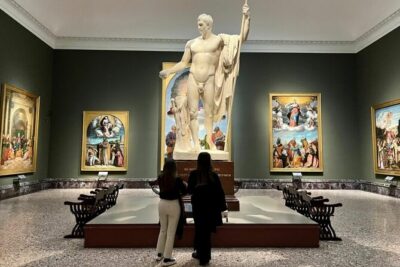
Audio Tours, compared.
 ★ 4.0City Sightseeing Hop-On Hop-Off Bus with Audio GuideFrom $266,256 reviews
 ★ 4.0Sforza Castle Entry Ticket with Digital Audio GuideFrom $152,675 reviews
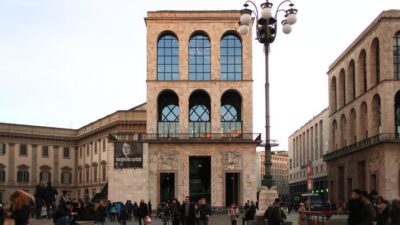 ★ 4.4Museum of the 900 Entry Ticket with Audio GuideFrom $1472 reviews
 ★ 4.2Natural History Museum Entry Ticket & Audio GuideFrom $1225 reviews
 ★ 3.5Sforza Castle Entry Ticket & Audio GuideFrom $1713 reviews
 ★ 4.5Milano Walking Tour with Audio and Written Guide by a LocalFrom $713 reviews
 ★ 4.0Museum of the 900 Fast-Track Entry Ticket & Audio GuideFrom $1512 reviews
 ★ 3.3Duomo Ticket incl. Terrace by Lift & Audio TourFrom $757 reviews
Browse the lists this tour appears in