
Reviewed · MILAN WINE TASTING
Wine Tasting Experience – Urban Cellar
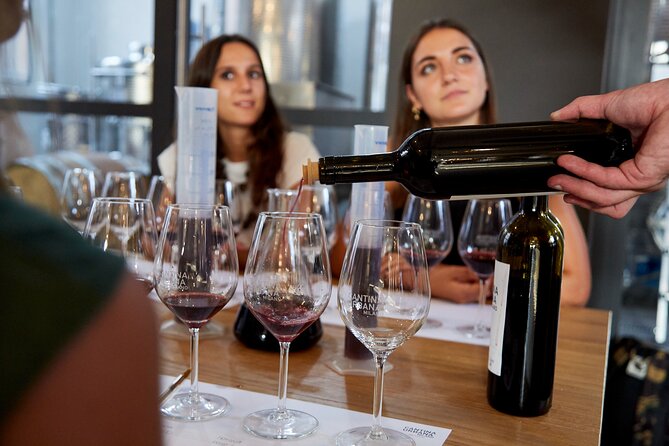
City wine can be real wine. At Cantina Urbana in Milan, you walk through an urban cellar operation and learn how different vessel types shape the bottles you’re drinking. You’ll tour the production area and then taste wines paired with typical local snacks for about 1.5 hours.
I especially like two things here: the hands-on, city-focused production tour (steel tanks, amphora, and barrique come up in the conversation), and the way the tasting connects to what you just saw. The staff also seem to run the room with real warmth—guided by Mai in multiple accounts—so you’re not stuck silently sipping.
One consideration: if you’re comparing this to bigger day-long wine outings, the tasting is on the compact side. The format is usually built around 4 wine tastes and may feel brief compared with other European tastings where you get more volume for similar money.
In This Review
- Quick Hits: what makes Urban Cellar worth your time
- Urban Cellar in Milan: why this tasting feels different
- Where to meet at Via Ascanio Sforza and how long it takes
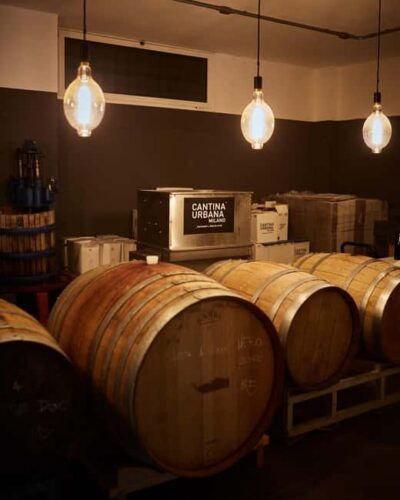
- Inside the production area: steel tanks, amphora, and barrique
- The vinification explanation: how to make sense of what you taste
- The tasting in practice: 4 wines, and check the inclusions for 6
- What you’re really learning (beyond the wine flavors)
- Staff energy and your question time: where this tour wins points
- Price and value: how $60 works for a Milan wine hour
- Who should book Cantina Urbana (and who might skip it)
- What to bring and how to get the most from your tasting
- Book it or skip it: my practical take
- FAQ
- Where does the experience start?
- How long is the Urban Cellar wine tasting?
- What is the price per person?
- How many wines will I taste?
- Do they provide food with the tasting?
- What language is the tour offered in?
- Is there a mobile ticket?
- How big are the groups?
- Is it easy to get to by public transportation?
- What is the cancellation policy?
Quick Hits: what makes Urban Cellar worth your time
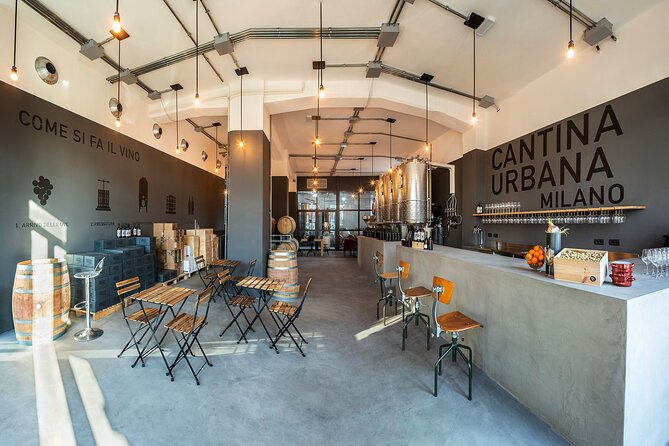
- Urban winery setting in Milan: you get wine-making details without leaving the city.
- You see multiple vessel types: steel tanks, amphora, and barrique aren’t just mentioned—they’re part of the story.
- A structured vinification explanation so the wines make sense as you drink.
- Tasting paired with typical foods: cured meats and cheeses, plus bottled water.
- Small-group feel: capped at 10 people, which helps questions land faster.
A few more Milan cellars worth a pour
- Gnocchi, Pasta, Tiramisù and Wine Class★ 5.0 · 691 reviews
- Small-Group Barolo Wine Tasting, Alba & UNESCO Piedmont Hills★ 5.0 · 689 reviews
- Milan Urban Winery: Taste & Tour at Cantina Urbana★ 4.7 · 683 reviews
Urban Cellar in Milan: why this tasting feels different
Most Milan wine experiences you’ll find are either bar-hopping tastings or museum-style lectures. This one mixes a real production behind-the-scenes tour with a guided tasting, all in a compact window. That combination is what makes the experience click.
You’re not just tasting wine; you’re learning why the flavors you’re about to taste might exist. The guide walks you through the vinification process and concept, then links it to the tools used in the cellar. When the tasting happens, you’ll have mental hooks: vessel type, aging approach, and what they do to aroma and taste.
And because it’s an urban winery in Milan, the vibe is practical. You’re not dressing for a countryside day trip. You’re getting a smart, city-friendly version of a winery visit, timed for a half-day moment.
Where to meet at Via Ascanio Sforza and how long it takes
This experience meets at Via Ascanio Sforza, 87, 20141 Milano MI. It ends back at the meeting point, so you can plan your next stop without doing mental map math.
Expect about 1 hour 30 minutes total. That’s the sweet spot for a wine stop between meals: long enough to feel like an activity, short enough to still have dinner plans. The small-group limit (up to 10) also matters here. Fewer people means the guide can keep the flow moving while still answering questions.
One pacing detail worth knowing: the production tour portion can feel short—some guests note the walk-through is around 30 minutes—so think of it as a focused cellar look and a guided tasting, not a sprawling, slow-moving vineyard day.
Inside the production area: steel tanks, amphora, and barrique
The cellar visit is where you’ll learn the most, even if you’re not a wine nerd. The guide shows you different types of vessels used for production and aging, including:
- Steel tanks
- Amphora
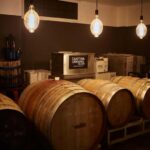
- Barrique (oak barrels)
Why that matters: these aren’t just labels. Steel tends to keep things cleaner and more about freshness. Amphora and barrique often point the wine toward different textures and flavor influences—especially around aging.
You’ll also see the daily activities that go into producing the wines. That’s not an academic tour. It’s the practical side of winemaking: what happens regularly to keep wine progressing from batch to bottle.
A city winery can sound like a gimmick until you see the workflow. Here, the point seems to be showing you how production can happen in a Milan setting—and still be serious about technique.
A few more we would happily send a friend to in Milan
- Milan’s Authentic Street Food tour: A Gourmet Experience
★ 4.5 · 717 reviews - Small-Group Barolo Wine Tasting, Alba & UNESCO Piedmont Hills
★ 5.0 · 689 reviews - Milan: Guided Street Food Walking Tour with Food Tasting
★ 4.8 · 654 reviews - Milan: Sunset Navigli Food & Drinks Tour by Do Eat Better
★ 4.5 · 517 reviews - Milan: Italian Cooking Class with Food and Wine
★ 4.7 · 509 reviews
The vinification explanation: how to make sense of what you taste
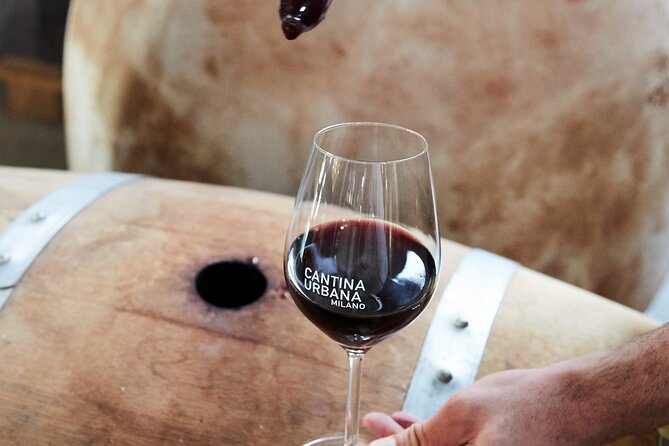
A good tasting becomes easy when someone gives you a simple framework. This experience does that by explaining the vinification process and the concept behind their approach.
Here’s what you can expect in the flow:
- You see the production and aging setup in the cellar.
- You get a clear explanation of how the process works at a high level.
- Then the tasting happens with guided attention so you can compare wines.
This is also where the guide’s personality matters. Multiple accounts mention hosts who are friendly and genuinely eager to answer questions. If you want to ask what makes one wine different from another, this format is built for that.
One review highlight: the guide helped guests understand how the wines feel both connected to Italy and still unique in their own way. That’s a useful lens for you, because it helps you avoid thinking of these bottles as a random experiment.
The tasting in practice: 4 wines, and check the inclusions for 6
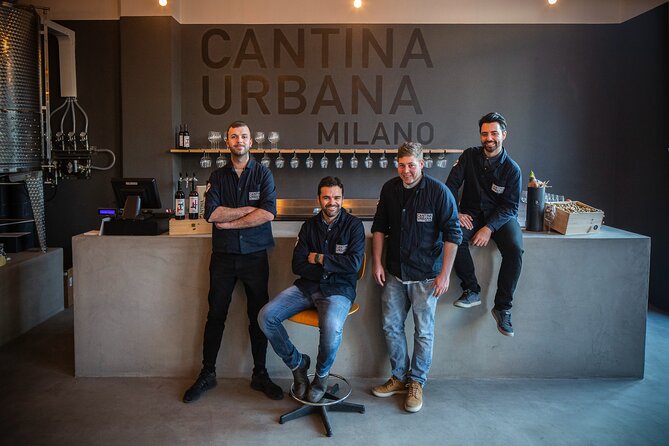
The program is described as tasting 4 different wines with snacks. At the same time, the included details list an alcoholic beverage tasting of 6 wines. In other words, you should expect multiple pours, and the experience is likely designed so you end up sampling enough wines to cover a small range rather than just one or two.
Either way, the tasting is paired with food:
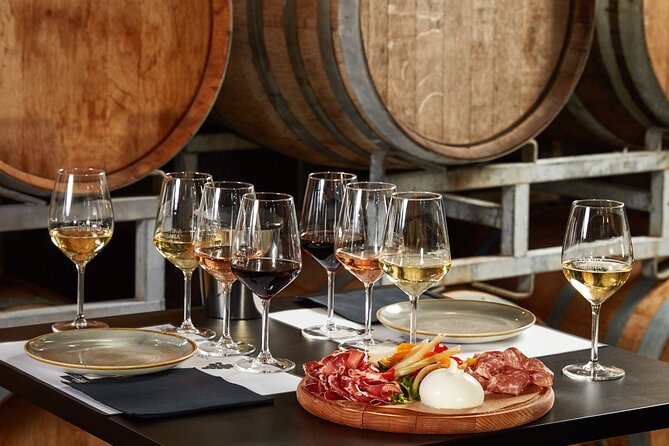
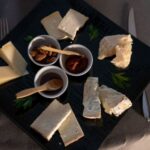
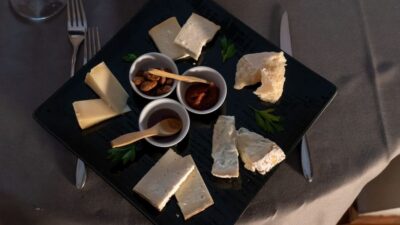
- A cutting board with cured meats and cheeses
- Bottled water
This pairing is more than a snack move. Cheese and cured meats change how you perceive acidity, tannin, and aroma. So if you taste something and think it feels sharper or softer after a bite, that’s normal. Use it. It’s part of the learning.
Also, the food focus shows up as a standout in accounts of the experience. If you care about a good bite alongside the wine, this is a strong sign.
What you’re really learning (beyond the wine flavors)
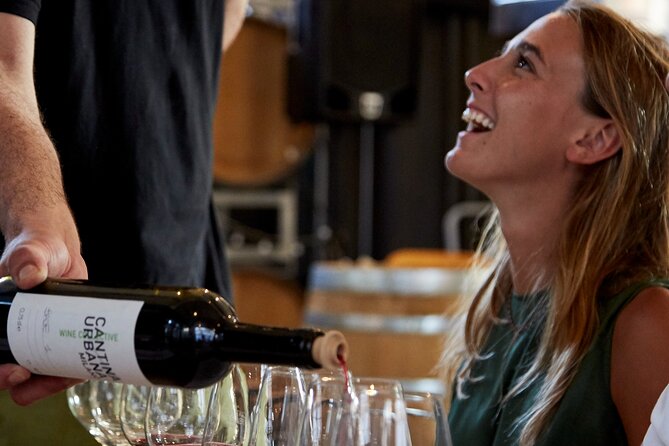
The biggest value here isn’t just tasting good bottles. It’s learning how the production choices translate into what’s in your glass.
A few practical takeaways you can carry into future tastings:
- You can listen for how vessel and aging choices show up in texture and aroma.
- You can pay attention to how the guide frames differences between wines—then test that idea by tasting again after the explanation.
- You can ask questions without feeling like you’re slowing the group down, thanks to the small max of 10.
And because this is Milan, you can use the experience as a starting point for the rest of your trip. After tasting, you’ll have a clearer idea of what you want to look for in shops or wine bars—especially if you want something more “technical” than just red vs white.
Staff energy and your question time: where this tour wins points
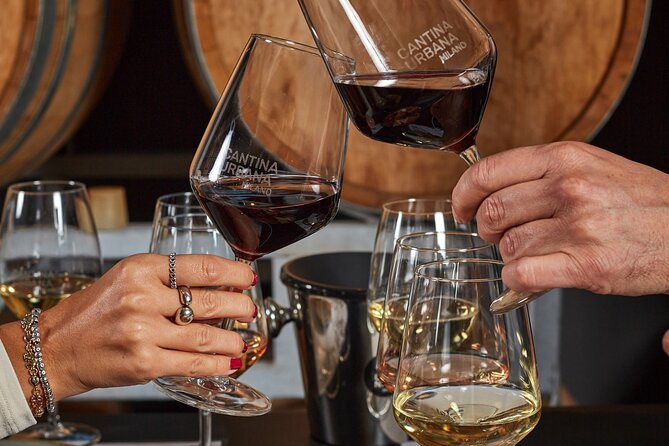
If you’re choosing between wine tastings, staff attitude is not a minor detail. It changes the whole experience.
The best feedback centers on:
- Friendly, entertaining guides
- Staff who handle questions well
- A relaxed but informative tone
A name that shows up: Mai. If you get her, it’s worth leaning into the conversation and asking direct questions. If you’re unsure what to ask, you can keep it simple: how vessel choices affect taste, how aging changes the wine, or what they think you should notice across the lineup.
This small-room interaction is also why the tasting can feel fun instead of stiff. You’re not just receiving facts—you’re using them right away.
Price and value: how $60 works for a Milan wine hour
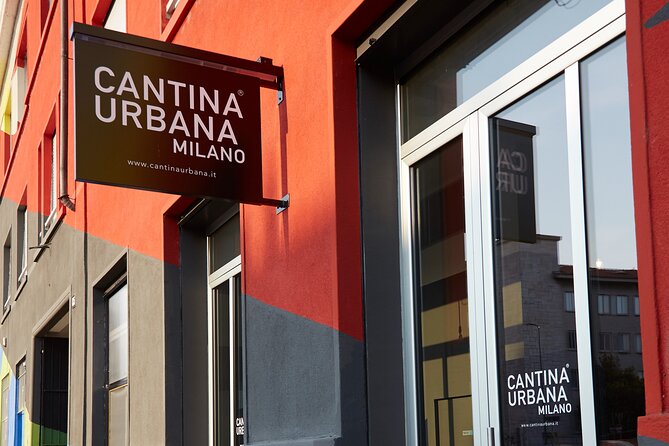
At $60.01 per person for about 1 hour 30 minutes, the value depends on what you’re comparing it to.
If you want a serious tasting with food and an explanation—this price looks reasonable for Milan. You’re paying for:
- a guided cellar walk-through
- multiple wine tastings
- pairing snacks (cured meats and cheeses)
- bottled water
- a small group (max 10)
If, however, you compare it to longer wine experiences where you get more volume, you might feel the portion is lighter. One point you should take seriously: at least one guest felt the tour was average compared with other European tastings, especially on quantity of wine and how long the tour portion lasted.
So here’s my take for you: book this if you want a compact, city-friendly learning-and-tasting session. Don’t book it expecting a full, heavy sampling day.
Who should book Cantina Urbana (and who might skip it)
This is a great fit if:
- You want a Milan wine experience that still feels like it teaches you something.
- You like small group settings where you can ask questions.
- You enjoy comparing how different wine approaches taste—especially around vessel and aging.
It might not be your best match if:
- You’re chasing maximum wine volume for the price.
- You expect a long, multi-part tour with extensive cellar detail and lots of time to wander.
If you’re doing a full Milan itinerary, this tour works as a reset button: it gives you a different side of the city besides museums and churches, without swallowing your whole day.
What to bring and how to get the most from your tasting
This is not a fancy formal event, but you’ll enjoy it more if you come ready to pay attention. Here are a few practical ideas:
- Plan to take notes on what you notice after bites of cheese and cured meats.
- Go with a curious mindset: you can ask about what makes each wine different, and the structure is built for that.
- If you’re sensitive to alcohol, pace yourself. Even when tastings are guided, you’ll still be drinking multiple pours.
Also, the experience includes bottled water, which is helpful. Still, bring a reusable water bottle only if you know you’ll be out after. The tour includes bottled water, so you’re covered for the tasting time.
Book it or skip it: my practical take
Book this tour if you want a smart, city-based winery visit in Milan, with a guided tasting and a production explanation you can actually follow. The best reasons are the urban cellar tour, the vessel-focused teaching, and the friendly guidance—often including Mai—that makes it feel welcoming.
Skip or adjust expectations if you mainly want lots of wine and long tour pacing. The experience is designed to be compact: you’ll get the core concepts and tasting lineup, but it’s not built like a multi-hour countryside drinking marathon.
If you’re in Milan for a few days and want one wine-focused activity that feels real (not just a bar tasting), this is a strong choice.
FAQ
Where does the experience start?
It starts at Via Ascanio Sforza, 87, 20141 Milano MI, Italy. The activity ends back at the meeting point.
How long is the Urban Cellar wine tasting?
It lasts about 1 hour 30 minutes (approximately).
What is the price per person?
The price is $60.01 per person.
How many wines will I taste?
The experience description says 4 different wines. The included details also list a tasting of 6 wines, so you should expect multiple pours.
Do they provide food with the tasting?
Yes. You get a snacks cutting board with cured meats and cheeses, plus typical products paired with the tasting.
What language is the tour offered in?
It’s offered in English.
Is there a mobile ticket?
Yes, the experience uses a mobile ticket.
How big are the groups?
The activity has a maximum of 10 travelers.
Is it easy to get to by public transportation?
Yes, it’s near public transportation.
What is the cancellation policy?
You can cancel for a full refund if you cancel at least 24 hours in advance. If you cancel less than 24 hours before the start time, the amount paid won’t be refunded. Free cancellation is listed as available.
More Food & Drink in Milan


More Tour Reviews in Milan

More Milan Wine Tastings

Fresh in our Milan notebook

Milan Wine Tasting, compared.
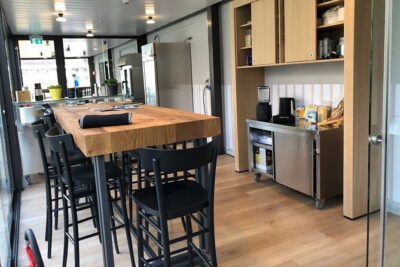 ★ 5.0Gnocchi, Pasta, Tiramisù and Wine ClassFrom $83691 reviews
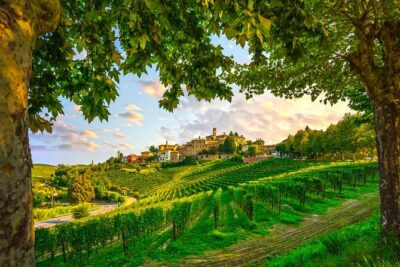 ★ 5.0Small-Group Barolo Wine Tasting, Alba & UNESCO Piedmont HillsFrom $216689 reviews
 ★ 4.7Milan Urban Winery: Taste & Tour at Cantina UrbanaFrom $47683 reviews
 ★ 5.0Pizza Cooking Class with Tiramisù and Wine Tasting in MilanFrom $78172 reviews
 ★ 4.5Wine Tasting Experience in the City CentreFrom $53113 reviews
 ★ 4.7Milan Wine Tasting ExperienceFrom $5560 reviews
 ★ 4.0Italian Wine Tasting in MilanFrom $5854 reviews
 ★ 5.0Lake Iseo & Franciacorta Winery. Scenic & Wine Tasting tourFrom $22744 reviews
Browse the lists this tour appears in