
Reviewed · MILAN COOKING CLASSES
Milan: Pasta Class with Gelato or Tiramisù & Unlimited Wine
Three hours, fresh pasta, and wine. In Milan, this hands-on class turns the Central Market into a real working kitchen where tagliatelle and stuffed ravioli become your dinner. I love that you actually make the pasta yourself. I love that you sit down to eat what you made, paired with unlimited wine. One consideration: tiramisù only joins the menu starting March 1, 2026, and the gelato portion is typically a demonstration plus guided tasting rather than every step being fully hands-on.
The location is also a big plus. Towns of Italy Cooking School is inside the Central Market, first floor, right by piazza IV Novembre and close to Milano Centrale, so it fits neatly into a sightseeing day. I’ve seen chefs like Matteo and Alfredo called out for clear steps and high energy, especially when families are in the room. Still, pacing can be a little intense when the class runs efficiently, so expect to work steadily and keep your questions ready.
In This Review
- Key takeaways
- Central Market kitchen class: the easiest way to spend 3 hours well
- Making tagliatelle and stuffed ravioli: the part you’ll talk about later
- Sauces and timing: how the lesson turns into dinner
- Gelato lab: choosing a flavor and learning the method
- Unlimited wine with your meal: fun factor, with a practical edge
- Location and logistics: Central Market makes it easy, but find the door
- What you take home: recipes, certificate, and real confidence
- Price and value: is $105 a good deal?
- Who should book (and who should skip)
- Small watch-outs: pacing, sauce steps, and signposting
- Should you book this Milan pasta and gelato class?
- FAQ
- Is tiramisù included?
- What food do I make during the class?
- Does the class include wine?
- Is the class suitable for celiac disease or gluten intolerance?
- What dietary options are supported?
- How long is the experience?
- Is the instruction in English?
Key takeaways
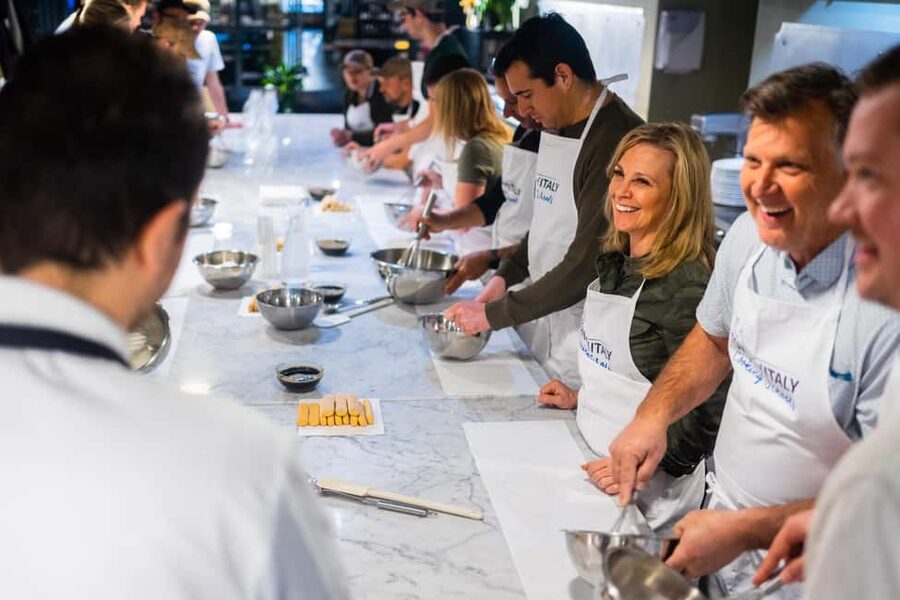
- Handmade pasta at the table: you roll, shape, and make stuffed ravioli, not just watch.
- Unlimited wine during the meal: it changes the vibe from lesson to full-on celebration.
- Gelato is a guided experience: you create a flavor and learn the method, even if not every churn step is yours.
- Close to Milano Centrale: the Central Market setup makes logistics easier than you might expect.
- English instruction and friendly chefs: teachers like Matteo and Alfredo are repeatedly praised for keeping things understandable.
Hands in the flour, in a Milanese kitchen
- The Secrets to Learn Fresh Pasta and Tiramisù in a Glam Home★ 5.0 · 1,182 reviews
- Milan: Pasta and Tiramisu Cooking Class with Wine★ 4.8 · 1,106 reviews
- Gnocchi, Pasta, Tiramisù and Wine Class★ 5.0 · 691 reviews
Central Market kitchen class: the easiest way to spend 3 hours well
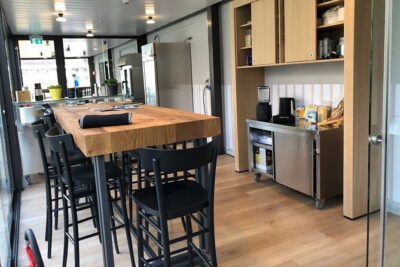
Milan can feel like a lot of walking, trains, and long sightseeing lists. This is the kind of activity that gives your day a clear finish line. You meet at Towns of Italy Cooking School (Via Giovanni Battista Sammartini 1, on the corner of piazza IV Novembre) inside the Central Market on the first floor, one level up from the ground floor. If you’re using Milano Centrale as your hub, it’s a straightforward match: arrive, follow the signs, get your apron, and you’re in.
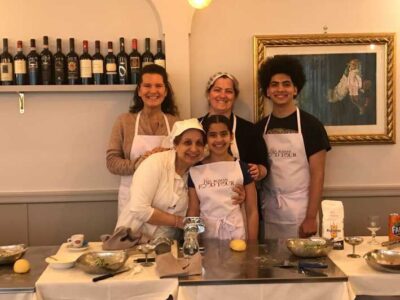
What makes the setting especially smart is that you’re not escaping into some remote villa. You’re cooking in the city, with people around you, and the food feels tied to everyday Italian life rather than a staged performance. Even better, the class is instructor-led in English, which matters if your Italian is limited but you still want to understand what you’re doing.
The best part is the structure. You’re not just fed. You learn a process, you do it with your hands, and you eat the results. That turns the time into something useful: skills you can repeat at home, plus a meal you can actually remember.
Making tagliatelle and stuffed ravioli: the part you’ll talk about later
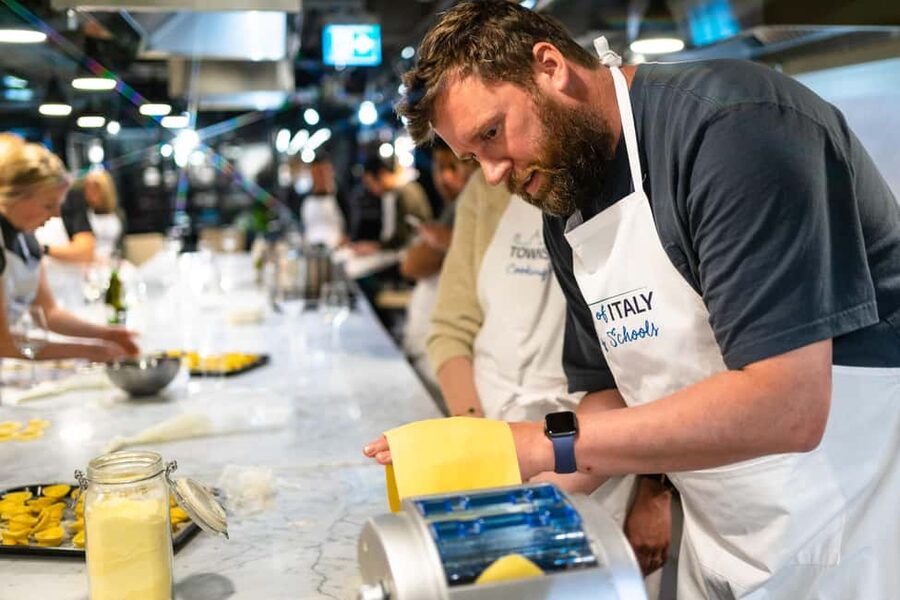
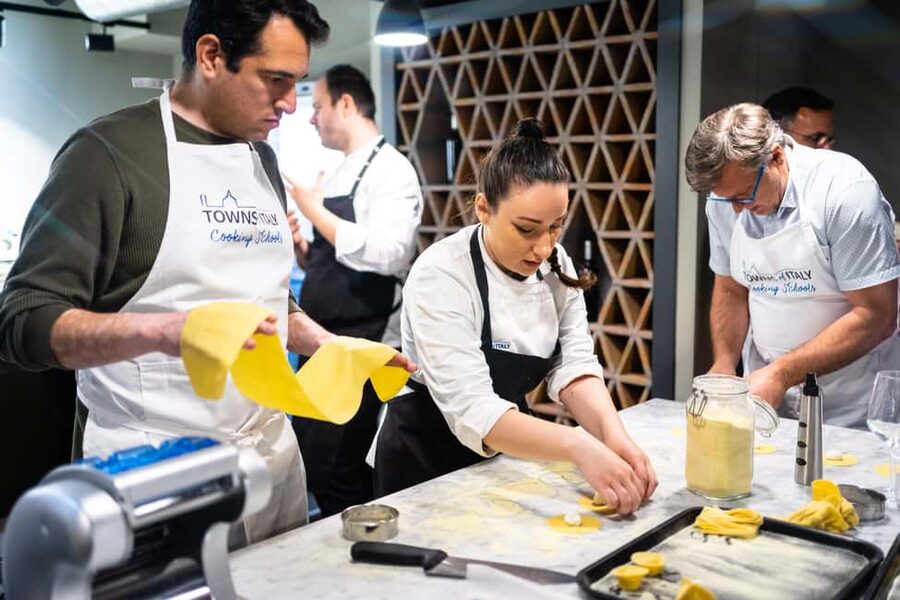
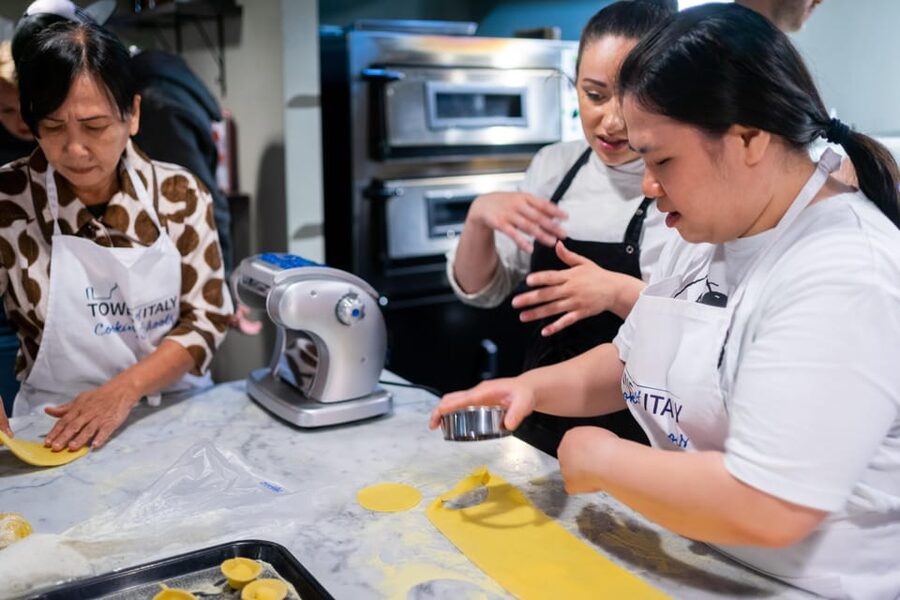
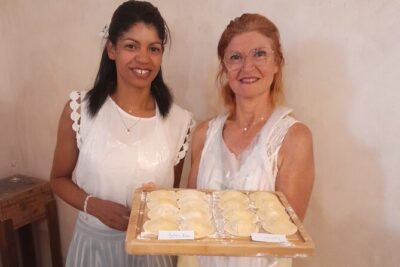
The pasta section is the heart of the class, and it’s where most of the praise stacks up. You start with fresh pasta dough basics—knead, rest, roll, and shape. You learn tagliatelle and also make stuffed ravioli from scratch. The class format is hands-on, meaning you’re not stuck waiting for a chef to finish everything.
Pay attention to the rhythm here. Pasta dough needs rest, and rolling takes a light touch. In the class descriptions, you’ll see mention of traditional techniques, and in real-world feedback you’ll often notice the theme: step-by-step guidance that makes the process feel manageable even if you’ve never worked with dough before.
Then comes the filling and shaping for ravioli. Stuffed pasta is one of those things that looks complicated but becomes doable once someone shows you what the dough should feel like and how to seal. Alfredo and Matteo get named repeatedly for teaching style, and that aligns with what you need: calm instruction while you’re learning a new technique.
One small reality check: not every class feels exactly the same in what you do vs. what the chef demonstrates. One example complaint pointed out that sauce making didn’t quite match an expectation of fully choosing and cooking every sauce step. The pasta part tends to be the most hands-on, so if you’re deciding whether to book, prioritize the pasta outcome.
Sauces and timing: how the lesson turns into dinner
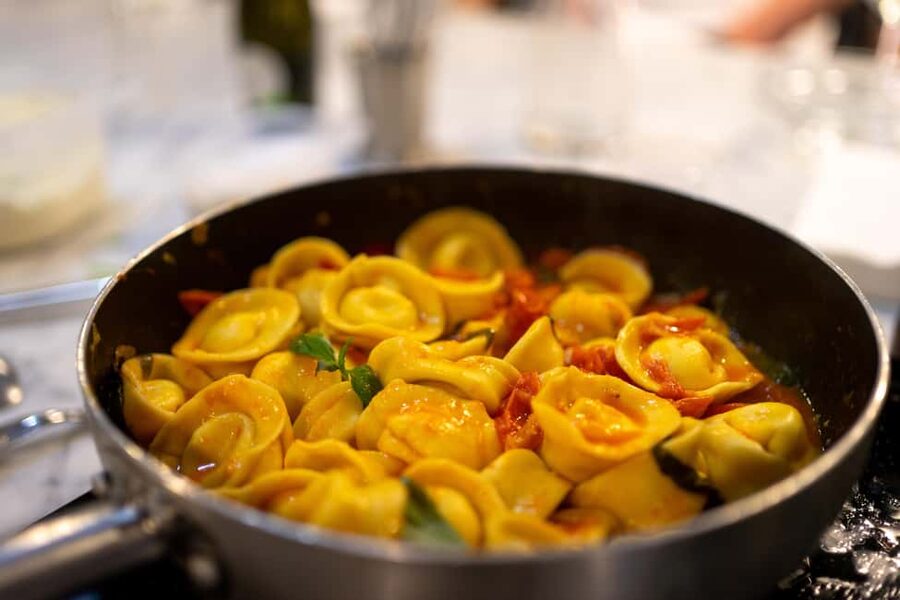
After you’ve shaped pasta, the class shifts toward sauce and finishing. You’ll prepare a sauce to go with your creations. The descriptions give examples like creamy carbonara, pesto, or classic tomato, and the process is taught so you understand how sauce choices affect texture and taste.
This is where pacing matters. You’re working in a group setting, and timing has to stay tight so everyone gets fed. That’s why some people end up appreciating how quickly the chef moves from one step to the next. Others have said the chef seemed rushed when the class wasn’t full. Translation: if your goal is a slow, chatty class, this may feel too structured. If your goal is learning the method and getting an excellent meal, the pace usually works.
What I like about the sauce portion is that it keeps the cooking grounded. It’s not just flour-and-water theater. You’re learning how Italians think about pairing: pasta shapes with sauce types, and sauce flavor built in stages rather than dumped from a jar.
And when it’s time to eat, that’s when the value becomes obvious. You don’t get a plate and walk away. You get a full meal built from your own work: pasta with sauce, ravioli, and dessert.
A few more we would happily send a friend to in Milan
- Milan: Pasta and Tiramisu Cooking Class with Wine
★ 4.8 · 1,106 reviews - Milan: Pasta and Tiramisu Small Group Cooking Class with Wine
★ 5.0 · 660 reviews - Milan: Italian Cooking Class with Food and Wine
★ 4.7 · 509 reviews - Milan Centre Food Tour of 7+ Italian Tastings with Risotto & Wine
★ 5.0 · 264 reviews - Milan: Pasta Class with Gelato or Tiramisù & Unlimited Wine
★ 4.9 · 233 reviews
Gelato lab: choosing a flavor and learning the method
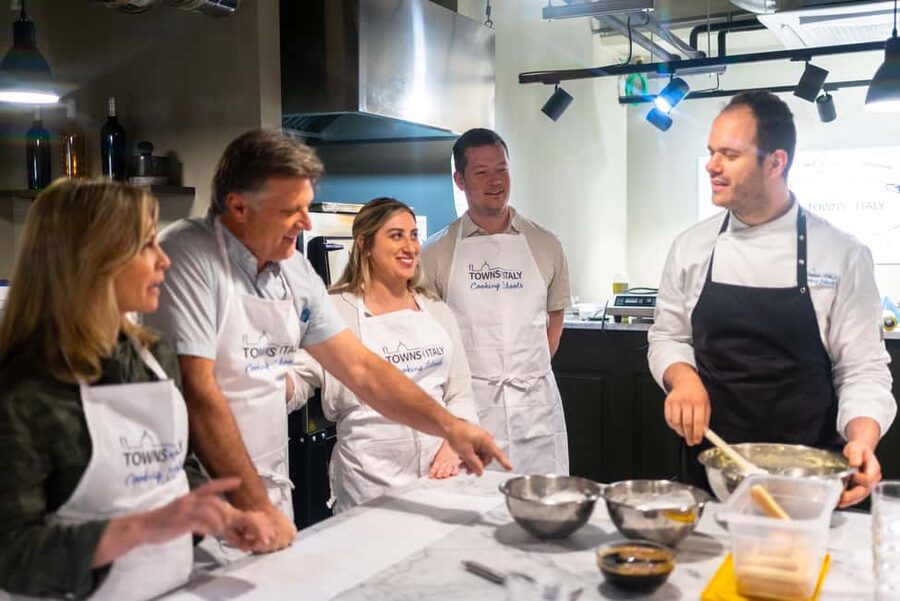
Gelato is the sweet follow-up, and it’s one of the reasons the class stands out for people who want more than pasta. The structure, based on what’s described, is a gelato-making demonstration where you create your gelato flavor and then watch the gelato process as it churns and sets up.
Even if you don’t do every gelato step yourself, you still get a lesson that’s more than taste-only. You learn how ingredients matter and what it means to get a creamy texture. And because the class is designed for eating what you make, the gelato portion doesn’t feel like an add-on. It’s part of the payoff.
One important date to know: tiramisù is not included until March 1, 2026. Until then, gelato is the included dessert. If tiramisù is a must for your trip planning, you’ll want to check the date.
Also, this is a good moment to watch how the chef explains temperature and texture cues. You’ll likely leave with a better sense of what to look for at home, even if your tools are simpler than what’s in the school.
Unlimited wine with your meal: fun factor, with a practical edge
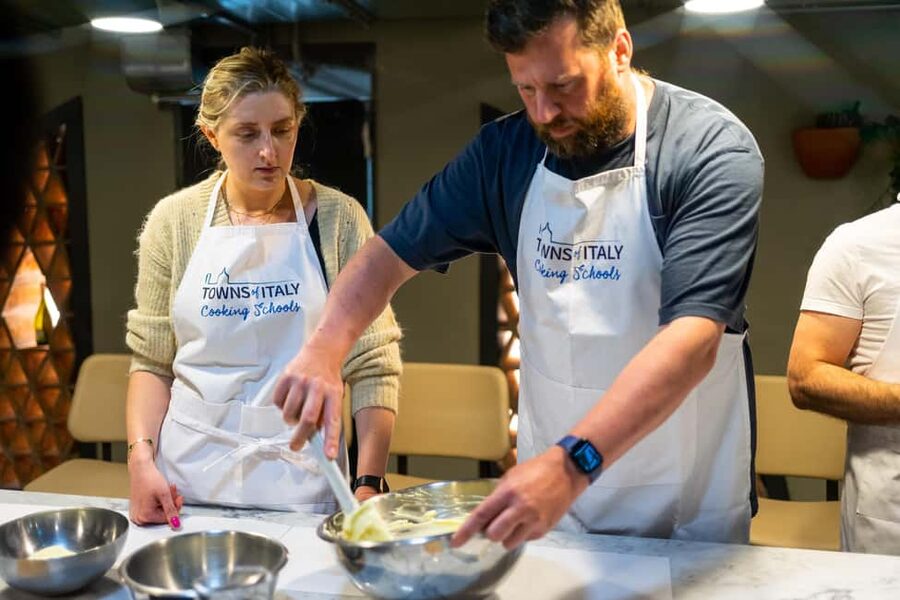
The unlimited wine claim is not vague. The experience includes unlimited wine during the meal, and many people specifically call out Prosecco as part of the celebration. This is one of those rare additions that can genuinely change how you remember the class. When the room shifts from learning to eating, the wine keeps the energy up.
It’s also practical in a Milan context. You’re not trying to coordinate a separate evening meal and drink plan. The class handles food and drink together. You end up with a tidy three-hour block that feels like an event, not just another ticketed activity.
For kids, the class notes soft drinks are provided. That’s why the class has appeal for families, as reflected in feedback that mentions pre-teens and school-age groups. It’s still an adult-focused setting because of the wine, but it’s not a party that shuts out families.
One caution: if you’re sensitive to alcohol or traveling with non-drinkers, unlimited wine is a choice you can decline, but the environment will still include it. If you prefer a purely food-focused, alcohol-free experience, you might want to consider whether the wine portion is a fit for your group.
Location and logistics: Central Market makes it easy, but find the door
You’re meeting inside the Central Market, on the first floor. That helps a lot because Milano Centrale is one of Milan’s easiest “arrival points.” The address you’ll use is Via Giovanni Battista Sammartini 1, on the corner of piazza IV Novembre, and it’s next to the Central Train Station.
The only repeated practical issue I’d flag: some people suggest the meeting spot can be tricky to locate if there aren’t obvious signs. The fix is simple: give yourself a few extra minutes near the station, and have the address handy on your phone. Once you spot Towns of Italy Cooking School, the rest is straightforward—apron on, hands washed, find a seat.
There’s no hotel pickup or drop-off, so plan to get there on your own. In this case, that’s not a dealbreaker, because the transit-to-market relationship is convenient.
What you take home: recipes, certificate, and real confidence
At the end, you’ll receive a graduation certificate and a digital recipe booklet. If you’re the type who likes repeating a great meal later, this matters. Cooking classes often fail at one key point: the learning doesn’t translate into real life. Here, you have a written digital record of what you made.
You can also use the certificate and recipe booklet as a reminder that this wasn’t just a fun afternoon. It’s a skill-building experience—especially with fresh pasta, which is easier than people think once you understand the dough and rolling process.
One more practical note: aprons and utensils are provided. People mention aprons are loaners (not souvenirs you keep), which is typical, but it’s good to know so you don’t plan around taking one home.
Price and value: is $105 a good deal?
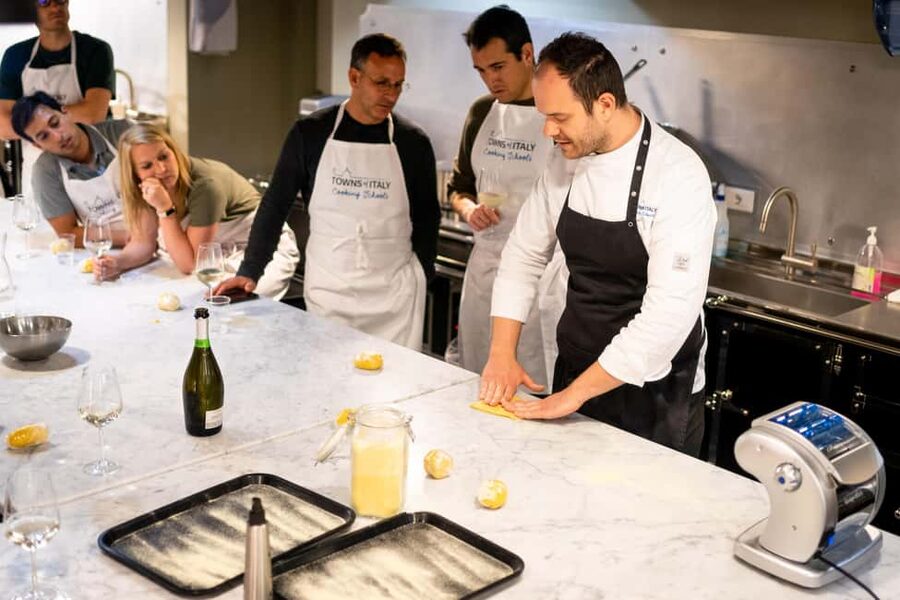
At $105 per person, you’re paying for more than a plate of food. You’re paying for a professional chef, hands-on instruction, all ingredients, and the equipment and utensils used in the classroom. You also get a meal that includes unlimited wine during the dining portion, plus the certificate and digital recipe booklet.
In Milan, the value argument is that this is time-packaged. For the cost, you get three hours of structured activity plus a complete meal. If you were paying for a similar-quality dinner and wine on top of a cooking experience, you’d likely spend more. If you’re only after food and would rather skip the cooking, it may feel pricey. But if you’re willing to get your hands dirty, the price makes sense.
I’d treat this as a “pay for the lesson” purchase. The wine adds fun, but the real value is pasta-making guidance you can use again.
Who should book (and who should skip)
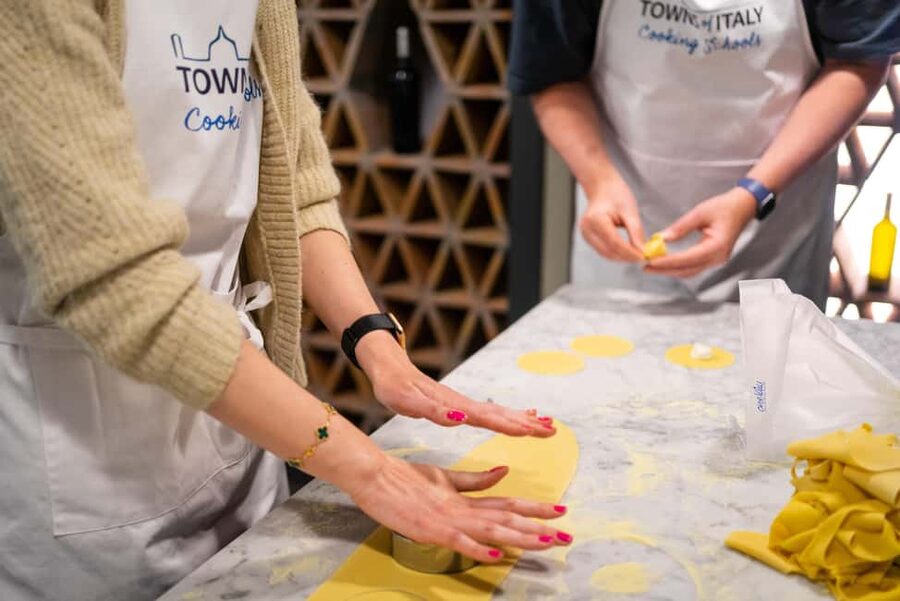
This class is a strong fit if you want:
- Hands-on cooking in English
- A meal experience that includes both pasta and dessert
- A social activity with good group energy
It’s also family-friendly in the way practical classes usually are—kids are included, and the class provides soft drinks for children. Feedback also calls out chefs being attentive to families and pre-teens.
Dietary notes matter. Vegetarian options are available, and other diets can be supported if you tell the provider when booking. But the class is not recommended for people with celiac disease, and gluten intolerance isn’t suitable. Since pasta dough and other ingredients are involved, you should assume cross-contact risk and avoid booking if gluten is a problem for you.
Pets aren’t allowed, so plan for that if you’re traveling with animals.
Small watch-outs: pacing, sauce steps, and signposting
Even with high ratings, a couple of practical issues show up.
First, pacing. Some people loved the energy and felt everything moved at a great pace. Others felt the chef was rushed, especially when the class ran smoothly and finished earlier than expected. That doesn’t necessarily mean the lesson is bad; it means you should expect a structured, time-managed flow.
Second, sauce expectations. One specific complaint said the class description suggested everyone would choose and cook their own sauce, but sauce making looked more like chef-led prep. This seems like a mismatch between expectations and what happens in the kitchen on that particular day. If you’re booking for sauce-making hands-on time, keep your expectations flexible and focus on pasta and dessert as the main guaranteed learning outcomes.
Finally, location signposting. A few comments mention that it can be hard to confirm you’re in the right place until you meet the guide. Again, solve it with a little extra buffer time and a saved address.
Should you book this Milan pasta and gelato class?
I’d book it if you want a memorable Milan day that ends with a real meal you helped create. The best reasons to go are the hands-on pasta (tagliatelle and stuffed ravioli), the strong teaching energy from chefs like Matteo and Alfredo, and the fact that you leave fed, not just educated.
Skip or reconsider if:
- You need a gluten-free or celiac-safe class (it’s not recommended/suitable)
- You’re strongly focused on tiramisù specifically (gelato is included until March 1, 2026)
- You want a slow, discussion-heavy cooking session rather than a structured lesson
If your goal is to learn the method, eat the results, and come away with recipes you can actually repeat, this is a smart, good-value choice.
FAQ
Is tiramisù included?
Tiramisù will be available starting March 1, 2026. Until that date, the dessert included is gelato.
What food do I make during the class?
You’ll make fresh pasta including tagliatelle and stuffed ravioli. You’ll also learn about gelato, and you’ll eat the pasta and dessert at the end of the class.
Does the class include wine?
Yes. The meal includes unlimited wine during the meal.
Is the class suitable for celiac disease or gluten intolerance?
It is not recommended for individuals with celiac disease, and it is not suitable for gluten intolerance.
What dietary options are supported?
Vegetarian and other diets are supported. Tell the provider about your dietary needs when booking.
How long is the experience?
The class lasts 3 hours.
Is the instruction in English?
Yes. The instructor speaks English.
More Wine Tours in Milan




More Tour Reviews in Milan






More Milan Cooking Classes


Fresh in our Milan notebook





Milan Cooking Classes, compared.
 ★ 5.0The Secrets to Learn Fresh Pasta and Tiramisù in a Glam HomeFrom $901,182 reviews
 ★ 4.8Pasta and Tiramisu Cooking Class with WineFrom $611,106 reviews
 ★ 5.0Gnocchi, Pasta, Tiramisù and Wine ClassFrom $83691 reviews
 ★ 5.0Pasta and Tiramisu Small Group Cooking Class with WineFrom $83660 reviews
 ★ 5.0Milan Cooking Class: Authentic Pizza & Gelato MakingFrom $78582 reviews
 ★ 4.7Italian Cooking Class with Food and WineFrom $80509 reviews
 ★ 4.9Fresh Pasta & Tiramisù Class in a Glamorous HomeFrom $88478 reviews
 ★ 5.0Milan Culinary Experience: Pasta & Gelato or Tiramisù ClassFrom $85337 reviews
Browse the lists this tour appears in