
Reviewed · MILAN FOOD TOURS
Milan: Traditional and Modern Food Tour
Milan can taste like two cities at once. This 3-hour walking food tour is built around both sides of town: the traditional northern Italian staples and the newer, ingredient-driven Milan that keeps changing the rules. I like that it’s organized as a progressive meal across four venues, so you’re not hunting for what to order.
What stood out most for me is the mix of wine + real Milanese dishes at each stop, including Risotto alla Milanese and pasta, plus meat and cheese bites. I also appreciate the human touch: the guide is a licensed local “food ambassador,” and I’ve seen names like Luca and Christina mentioned for groups on this tour.
One drawback to consider: you’ll be walking to multiple places for around 3 hours, rain or shine, so plan for weather and comfortable shoes.
In This Review
- Key highlights to know before you go
- Meeting at Colonne di San Lorenzo: finding your guide fast
- Franciacorta start: the wine you taste before you even eat
- The Risotto alla Milanese stop: classic Milan, served with context
- Meatballs, market bites, and cheese: where the tour changes with the day
- The street-food and regional-food progression: don’t skip the in-between stops
- Dessert finale: the last bite that ties the meal together
- Price and value: is $130.28 worth it for 3 hours?
- Who this tour is best for (and who should rethink it)
- Final call: should you book Walking Palates in Milan?
- FAQ
- FAQ
- How long is the Milan Traditional and Modern Food Tour?
- Where do I meet the guide?
- What’s included in the tour?
- Is hotel pick-up or drop-off included?
- What languages is the tour offered in?
- Does the tour run in bad weather?
- Can I cancel and get a full refund?
Key highlights to know before you go
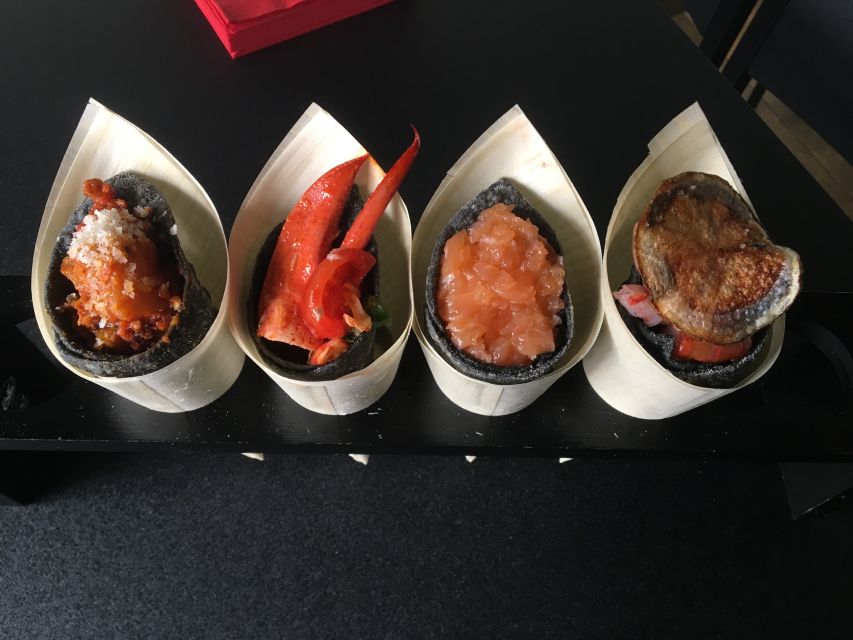
- Franciacorta sparkling wine at the start in a tucked-away spot you’d likely miss on your own
- Four stops, three glasses of wine, and dessert so the food comes in a planned sequence
- Risotto alla Milanese + a second pasta dish with local white wine
- Market timing affects the meat/cheese stop—you may see grass-fed meat and cheese when the market is open, or cold cuts when it isn’t
- A guide-led food and lifestyle lesson focused on what makes Milanese eating tick
More plates worked through around Milan
- Milan’s Authentic Street Food tour: A Gourmet Experience★ 4.5 · 717 reviews
- Milan: Guided Street Food Walking Tour with Food Tasting★ 4.8 · 654 reviews
- Milan: Sunset Navigli Food & Drinks Tour by Do Eat Better★ 4.5 · 517 reviews
Meeting at Colonne di San Lorenzo: finding your guide fast
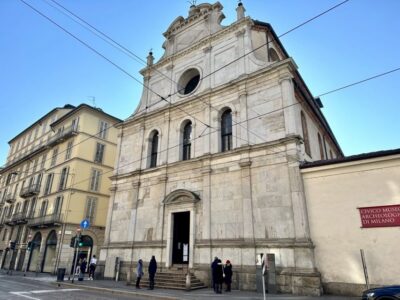
Your tour starts at the Costantino Statue in Colonne di San Lorenzo, in front of Basilica di San Lorenzo. Your guide will be holding a sign with the Walking Palates logo, so don’t overthink it—look for that sign and match it to your booking.
This is a smart meeting spot. It’s central enough that you’re already in the middle of the city’s daily rhythm, and it’s also close to a great launching point for walking.
Tip: arrive a few minutes early. In Italy, that buffer helps because the “busy” part isn’t the streets—it’s figuring out which corner you’re on.
Franciacorta start: the wine you taste before you even eat
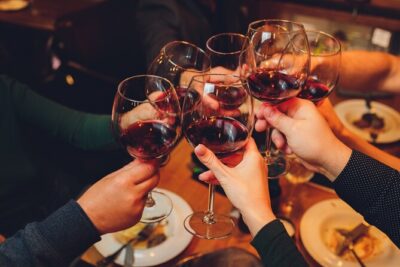
The first taste is local Franciacorta sparkling wine served at a smaller, less-obvious venue. The tour frames it as an intro to how Milan’s food world works: not just what you eat, but where the ingredients and producers come from, and how locals like to start a meal.
Why this matters: if you’re new to Italian wine, Franciacorta is a clear entry point. You get a celebratory start, but it’s also grounded in regional identity, not a generic “sip and smile” situation.
Also, you’re beginning with wine before the heavier food. That’s practical. It sets the pace for the next stops and keeps you from arriving ravenous with a stomach that doesn’t know what’s coming.
The Risotto alla Milanese stop: classic Milan, served with context
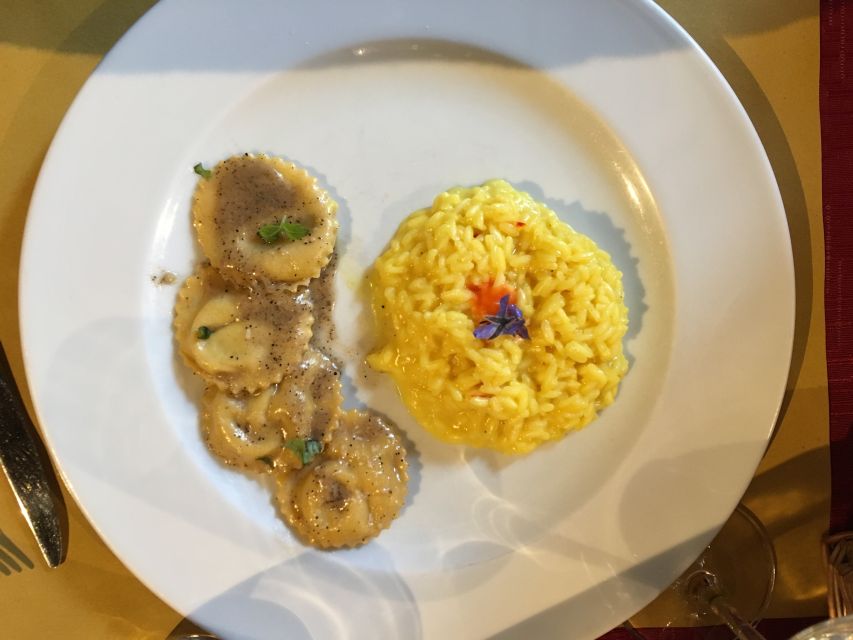
One of the best-known dishes in Milan is Risotto alla Milanese, and this tour doesn’t just mention it—it builds a stop around it. Expect to taste it in a local restaurant, paired with an excellent local white wine.
Alongside the risotto, you’ll also try a second pasta dish. For you, that’s a big deal because Milanese meals often feel “simple” at first glance, then reveal depth in how they treat rice, starch, and sauces. Trying two pasta courses (or risotto + pasta) lets you compare textures and flavors in a single block of time.
What I liked about this stop is the way the guide can connect the dish to Milan’s food mindset. It’s not just tasting; it’s learning what makes the dish Milanese, and what kind of ingredients and techniques matter. That context makes the food stick in your memory longer than a checklist ever will.
Small consideration: if you’re picky about dairy, or you avoid richer dishes, ask the guide what you’re eating before you commit. The tour is food-forward, and the flavors lean traditional and satisfying.
A few more we would happily send a friend to in Milan
- Milan’s Authentic Street Food tour: A Gourmet Experience
★ 4.5 · 717 reviews - Small-Group Barolo Wine Tasting, Alba & UNESCO Piedmont Hills
★ 5.0 · 689 reviews - Milan: Guided Street Food Walking Tour with Food Tasting
★ 4.8 · 654 reviews - Milan: Sunset Navigli Food & Drinks Tour by Do Eat Better
★ 4.5 · 517 reviews - Milan: Italian Cooking Class with Food and Wine
★ 4.7 · 509 reviews
Meatballs, market bites, and cheese: where the tour changes with the day
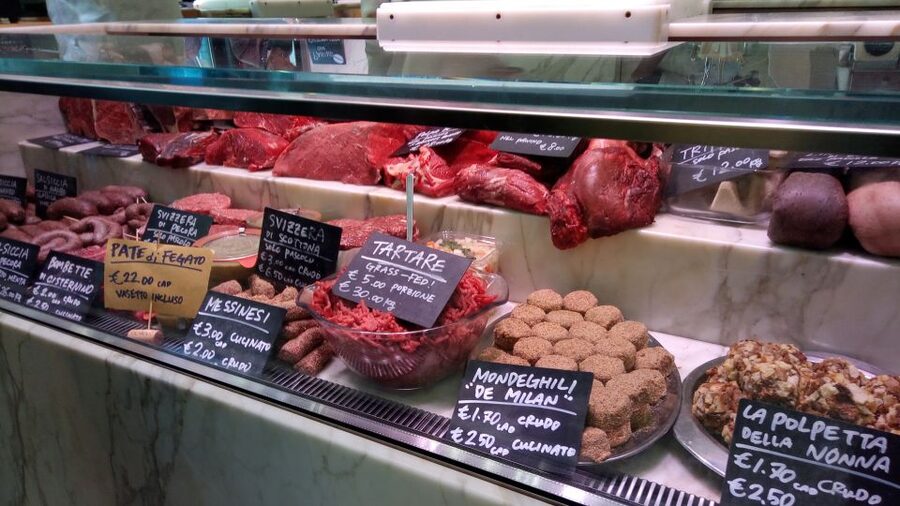
The next phase moves you into meat and cheese territory. When the local market is open, the tour includes a taste of grass-fed meat plus cheese bites. If the market isn’t open, you’ll shift to cold cuts and fresh cheese at a popular restaurant instead.
That flexibility is useful for you because it means the tour adapts without losing the theme. You’re still getting a clear “Milan meat and cheese” lesson, even if the exact format changes based on the day.
Why this stop is valuable: Milanese eating often pairs savory components with careful sourcing. Instead of one dramatic plate, you get several small tastings that let you notice differences—salt level, fat content, texture, and how cheeses behave with cured meats.
Practical tip: if you’re hungry, don’t rush your bites. Eat at a comfortable pace. You’ll want to taste slowly enough to notice what changes between meat styles and cheese types.
The street-food and regional-food progression: don’t skip the in-between stops
The tour is structured as a progression across multiple restaurants, not a single sit-down meal. You’ll have an additional stop that includes wine and street food, followed by another stop focused on wine and regional food.
Here’s the advantage for your day: you’re seeing the range of how Milanese food can show up. Street food style flavors tend to be more casual and snack-like, while the regional food stop feels more anchored in proper restaurant tradition. Together, they show you what Milan tastes like when it’s both “grab and go” and “slow down.”
One small reality check: because this is progressive, portions are tastings, not full restaurant servings. That’s why the sequence matters—by the end, you should feel satisfied, but you shouldn’t expect a single plate the size of a main-course dinner.
Dessert finale: the last bite that ties the meal together
Your final stop is dessert. The tour keeps it simple: after wine, savory dishes, and cheese/meat tastings, you get a sweet finish that’s part of the planned four-venue food structure.
This ending is helpful for you because it rounds off the flavors after the richer items. Also, it’s a natural moment to ask follow-up questions to your guide—like what to try next on your own in Milan, or which neighborhoods you should walk through for a similar vibe.
If you’re the kind of traveler who doesn’t always know what dessert to choose in Italy, this stop removes decision fatigue. You’re done making choices, and you can just enjoy the last course.
Price and value: is $130.28 worth it for 3 hours?
At $130.28 per person for about 3 hours, the tour isn’t the cheapest way to eat in Milan—but it also isn’t just “pay for a walk.” You’re paying for a guided food sequence with three glasses of wine and tastings in four unique venues, including the signature Risotto alla Milanese, plus meat/cheese and dessert.
Here’s how to think about the value:
- Wine is included (three glasses). In Italy, that can easily turn a snack budget into a real spend, fast.
- The food is structured and varied, not one meal repeated four times.
- You’re getting a guide who can explain what you’re eating and why it matters in Milan’s two-sided identity—traditional and modern.
If your goal is to taste broadly with minimal planning, this pricing makes sense. If you already know exactly what you want to eat and you hate paying for guided structure, you might prefer building your own food stops. But for many first-timers, guided progression is exactly what saves time and avoids dead ends.
Who this tour is best for (and who should rethink it)
This tour fits you best if:
- You want a fast orientation to Milan’s food culture.
- You’re excited about the classic dishes, but also curious about how modern ingredients and techniques influence what’s served now.
- You prefer a plan with multiple tastings over one big meal.
You might rethink it if:
- You dislike wine or need alcohol-free experiences (the tour includes three glasses of wine).
- You want a long, sit-down meal rather than a walking progression.
- You’re very sensitive to richer foods and don’t want to handle multiple savory tastings in sequence.
Final call: should you book Walking Palates in Milan?
If you’re in Milan for a short time and you want to make food your first win, I’d book this. The strongest reason is the pairing of a guided food ambassador with a progression that covers multiple “Milan styles” in one go—sparkling wine, risotto and pasta, meat/cheese, street-food and regional flavors, then dessert.
One practical point seals it for me: you’ll get around without guessing the menu. That’s especially valuable on your first day, when you don’t yet know which parts of Milan match your taste.
FAQ
FAQ
How long is the Milan Traditional and Modern Food Tour?
It lasts about 3 hours.
Where do I meet the guide?
Meet at the Costantino Statue in Colonne di San Lorenzo, in front of Basilica di San Lorenzo. The guide will be holding a sign with the Walking Palates logo.
What’s included in the tour?
You get food tastings in four unique venues (milanese meatballs, risotto and pasta, meat and cheese bites, and dessert) and 3 glasses of wine, plus a professional local guide.
Is hotel pick-up or drop-off included?
No, hotel pick-up and drop-off are not included.
What languages is the tour offered in?
The live guide speaks English and Italian.
Does the tour run in bad weather?
Yes, it operates rain or shine.
Can I cancel and get a full refund?
Yes. You can cancel up to 24 hours in advance for a full refund.
More Tours in Milan
More Tour Reviews in Milan

More Milan Food Tours to Book



Fresh in our Milan notebook

Milan Food Tours, compared.
 ★ 4.5Milan’s Authentic Street Food tour: A Gourmet ExperienceFrom $116717 reviews
 ★ 4.8Guided Street Food Walking Tour with Food TastingFrom $58654 reviews
 ★ 4.5Sunset Navigli Food & Drinks Tour by Do Eat BetterFrom $96517 reviews
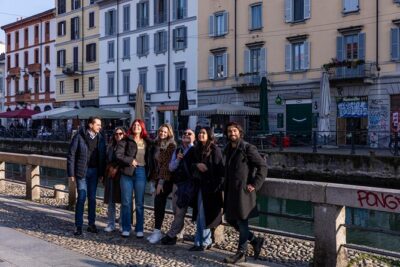 ★ 5.0Navigli Food & Drinks Tour with Eating EuropeFrom $125394 reviews
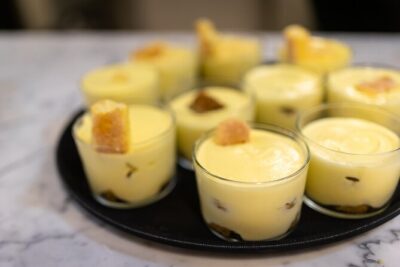 ★ 5.0Milan Culinary Experience: Pasta & Gelato or Tiramisù ClassFrom $85337 reviews
 ★ 5.0Delicious! Milan’s Favorite Food TourFrom $95268 reviews
Milan Centre Food Tour of 7+ Italian Tastings with Risotto & WineFrom $118264 reviews
★ 5.0Delicious! Milan’s Favorite Food TourFrom $95268 reviews
Milan Centre Food Tour of 7+ Italian Tastings with Risotto & WineFrom $118264 reviews
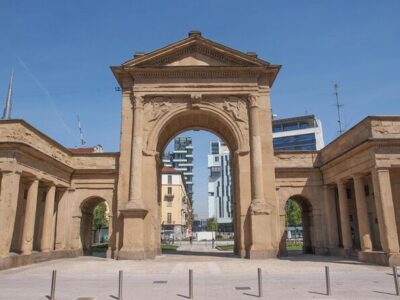 ★ 5.0Milan Gourmet Tour: A Premium Tasting Experience by Do Eat BetterFrom $89241 reviews
Browse the lists this tour appears in