
Reviewed · MILAN SIGHTSEEING TOURS
Milan Food and Secrets Tour
Milan, but with food in mind. This 3-hour small-group tour pairs Duomo di Milano classics with oddly memorable stops like San Bernardino alle Ossa, then finishes at a long-running Milanese tasting room. I like how the plan mixes walking sights with a real food schedule, not just a quick snack between photos.
What I especially love is the guide-led flow. You get a professional guide who keeps the route logical, and you’re taken to spots most people skip on their own—places where the story matters as much as the view.
One caution: the wine part seems to shine, but the food can feel uneven depending on your tastes and expectations; at least one diner felt the meal selection was more basic than the price suggests.
In This Review
- Key things I’d lock in before you go
- Duomo Meets a Gourmet Tasting Plan
- The Walk Begins at Duomo di Milano (and why that’s smart)
- San Bernardino alle Ossa: The Bone Chapel Stop
- Santa Maria presso San Satiro: When Architecture Plays Tricks
- Cà Granda and St. Anthony: City Corners Beyond the Usual Route
- The Tasting Segment: Wine-Led, Not a Quick Aperitivo
- The three wine pours you’ll taste
- What you’ll eat (and how it may vary)
- Guide Quality Is the Make-or-Break Factor
- Price and Value: What $186.92 Buys You in Real Terms
- Who This Tour Fits Best (and who should skip it)
- Should You Book This Milan Food and Secrets Tour?
- FAQ
- How long is the Milan Food and Secrets Tour?
- Where does the tour start and end?
- What’s included in the tour price?
- What wines are included in the tasting?
- Is the tasting only seafood?
- What should I bring?
- What languages is the live guide available in?
Key things I’d lock in before you go
- Duomo meeting point makes it easy to start and re-group without confusion
- Church stops with contrast: from grand cathedrals to the chapel of bones
- Wine tasting with three specific pours: Prosecco, Pinot Grigio, and Barbera D’Alba
- A true food tasting focus, not the usual fast aperitivo-style buffet
- Options for fish and non-fish eaters, including tartina with Italian patè
- Small group feel for a more personal guide experience
The Milan highlights, a wider sweep
- Milan’s Must See: Half-Day Tour of Last Supper, Duomo & La Scala★ 4.0 · 4,193 reviews
- From Milan: St. Moritz and Panoramic Bernina Express Tour★ 4.6 · 1,723 reviews
- Best of Milan Experience Including Da Vinci’s The Last Supper and Milan Duomo★ 4.5 · 1,516 reviews
Duomo Meets a Gourmet Tasting Plan
Milan can feel like it’s all fashion storefronts and monuments. This experience tries to balance that by starting right where most first-timers naturally go: the Duomo di Milano. The big advantage is simple: you get your bearings fast, then the tour steers you toward older lanes and surprising corners.
You’re looking at a 3-hour outing in English or Italian, with a professional guide leading you on foot. That matters because Milan’s famous sites are easy to find, but the “why this place exists” part takes local guidance. You’ll also be moving enough that comfortable shoes are not optional. Bring a camera too—you’ll want it when the architecture starts doing things you didn’t expect.
Two parts work especially well together. First, the walking route gives context: you see landmarks in sequence, not as random photo stops. Second, the tasting segment turns the day into something you can actually taste and remember, including a final limoncello glass.
The Walk Begins at Duomo di Milano (and why that’s smart)
You start in front of the cathedral’s central door. That’s practical, but it’s also a good way to begin because the Duomo area acts like Milan’s gravity point. From there, your guide can set up the larger story: Renaissance Florence-style ideas arrived in Milan too, but with Lombardy’s distinct style and attitude.
Expect guided walking and visits rather than a speed-run. The tour time includes a bit over an hour at the Milan stops, which gives you enough time to look closely without feeling dragged.
A small note for expectations: this is not a museum-with-headphones kind of tour. It’s a guided walk plus tastings. If you’re hoping for long indoor viewing time at every site, you might feel rushed. If you like moving through the city with a plan, it’s a solid format.
San Bernardino alle Ossa: The Bone Chapel Stop
Then you’ll head to San Bernardino alle Ossa, a chapel known for its bone decor. Even if you’ve seen photos before, it lands differently in person. The reason this stop works in a food-and-history tour is contrast: one moment you’re in grand stone and city scale, the next you’re in a very human, very eerie space tied to older burial traditions.
This isn’t just a shock-value photo stop. A good guide will connect why the site exists and what people believed about death and memorial spaces in that period. That turns the visit into more than a quirky detour.
What to watch for: the chapel is a place where you’ll want to slow down. If you’re traveling with someone who hates spooky themes, it may be a tense match. But if you enjoy places that spark questions, this is one of the stops that gives the tour personality.
A few more we would happily send a friend to in Milan
- Milan’s Authentic Street Food tour: A Gourmet Experience
★ 4.5 · 717 reviews - Small-Group Barolo Wine Tasting, Alba & UNESCO Piedmont Hills
★ 5.0 · 689 reviews - Milan: Guided Street Food Walking Tour with Food Tasting
★ 4.8 · 654 reviews - Milan: Sunset Navigli Food & Drinks Tour by Do Eat Better
★ 4.5 · 517 reviews - Milan: Italian Cooking Class with Food and Wine
★ 4.7 · 509 reviews
Santa Maria presso San Satiro: When Architecture Plays Tricks
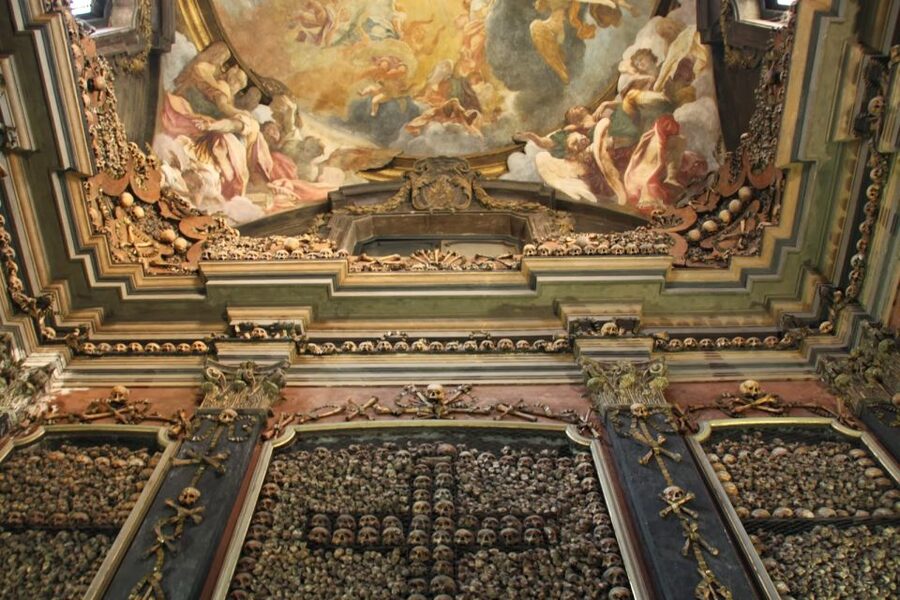
After that, you move to Santa Maria presso San Satiro. This church is famous for how it handles space and perspective—an example of Milanese ingenuity. In plain terms, it’s the kind of place where you can look at the front and then notice how the layout creates an illusion of depth.
In a guided format, you get two benefits:
1) You don’t have to figure out the trick alone.
2) You understand why someone would build it that way, not just that it exists.
The walking portion continues here at a guided pace. The stop is short enough to keep the tour moving, but it gives you a chance to reset your attention before the tasting segment. This is important. Food tastings feel better when you’re not mentally exhausted from nonstop sightseeing.
Cà Granda and St. Anthony: City Corners Beyond the Usual Route
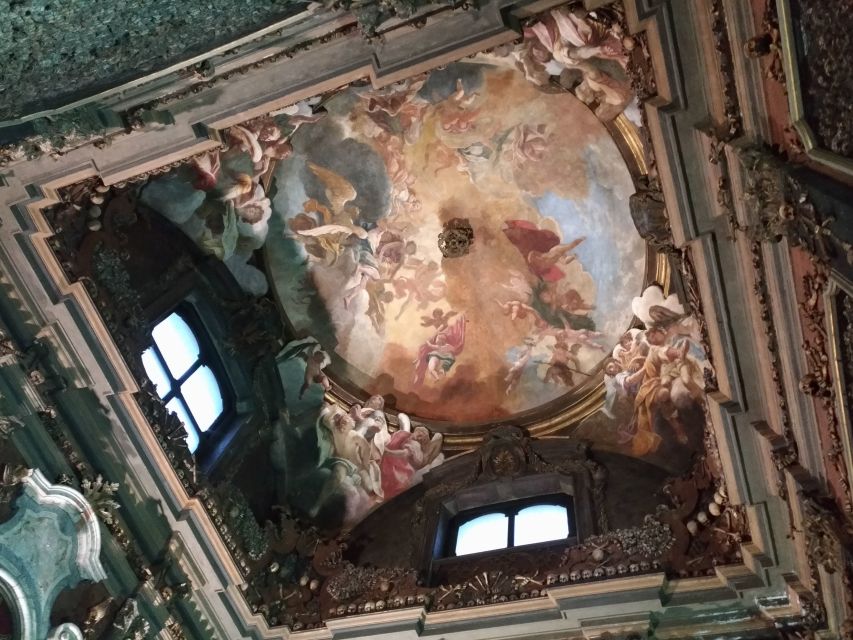
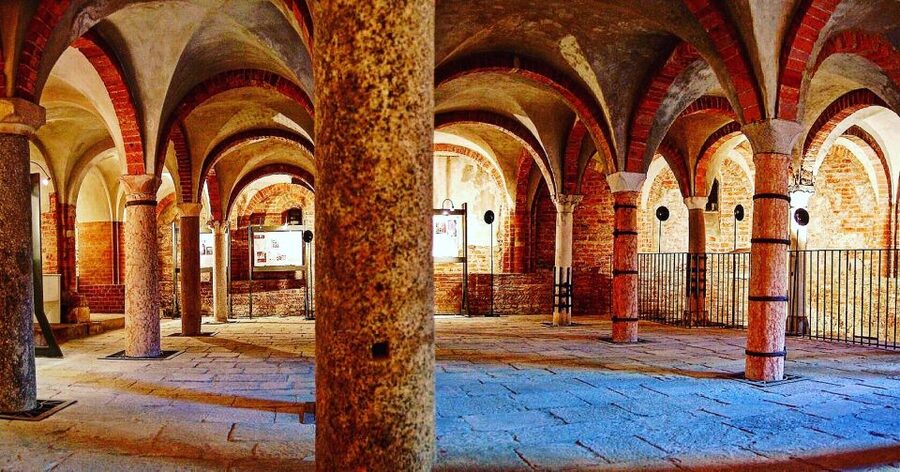
The tour description also points toward Cà Granda and the church of St. Anthony. This is where the day broadens from one cathedral bubble into a wider Milan view—more structure, more neighborhood texture, less just-stone-and-sky.
Why I like this part of the route: it helps you see Milan as more than a postcard. These are places tied to the city’s institutional life and religious heritage, so they feel “Milan” in a way a single landmark can’t.
If you’re the type who likes to walk past architecture and stop when something feels off or meaningful, you’ll probably enjoy this segment. If you want only the absolute most famous highlights, you might wish for fewer stops and longer time at each one. The tour tries to land in the middle.
The Tasting Segment: Wine-Led, Not a Quick Aperitivo
Here’s the biggest reason to book: the tasting isn’t described as a tiny aperitivo-style add-on. It’s positioned as a gourmet food tasting with wine guidance and a proper menu setup.
You’ll be escorted to a historical restaurant setting described as having a history over three centuries. You’ll sit in an exclusive room, which is the kind of detail that can change the feel of the evening. It’s not a crowded walk-in where you’re fighting for elbow space. The idea is to slow down, taste intentionally, and learn what you’re eating.
The three wine pours you’ll taste
The wine lineup is specific, which is a big plus for value and clarity:
- Prosecco Valdobbiadene
- Pinot Grigio
- Barbera D’Alba
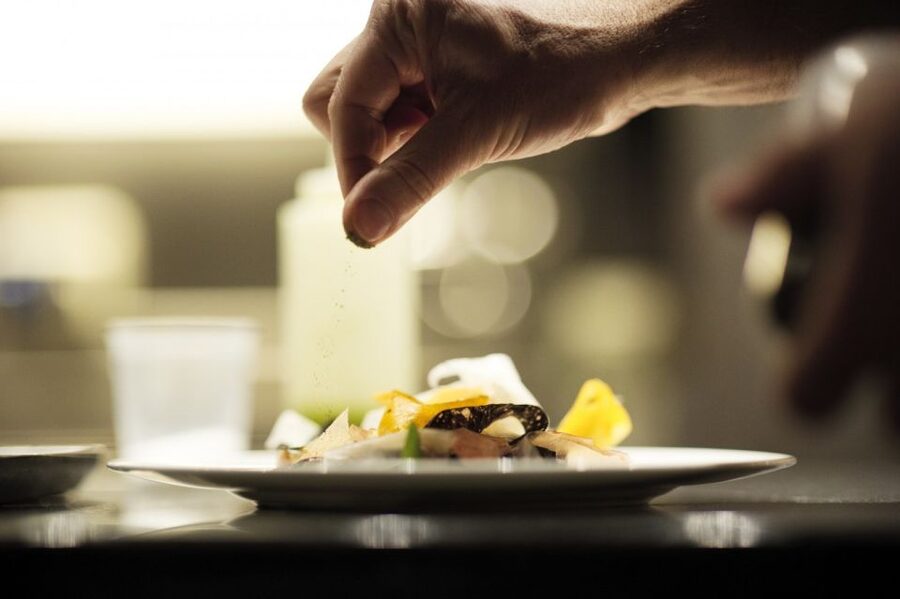
You’ll get tasting guidance on how those wines pair with the food you’re served. This matters because wine tastings without context can turn into guesswork. A well-run tasting makes it feel like you’re building a small understanding, not just drinking.
What you’ll eat (and how it may vary)
The food portion is built around local Italian specialties and seafood or non-fish options. The plan includes tastings such as:
- salmon or prawns
- cured meat and cheese
- or, if you do not eat fish, tartina with Italian patè and other specialties
The session closes with a glass of the typical limoncello.
This is where you should calibrate expectations. The wine selection is praised as excellent, but at least one review called the food disappointing—specifically that the meal included several rolls of bread and a more basic charcuterie-style plate. Their take was that other higher-end options in the same category could have offered more variety and richer accompaniments.
So, here’s how I’d think about it:
- If you mainly want wine guidance plus a light, structured set of bites, you’ll likely feel satisfied.
- If you’re expecting a heavy, multi-course feast with lots of variety, you may want to mentally downgrade the food from “show-stopping” to “tasting portion.”
Guide Quality Is the Make-or-Break Factor
Across the feedback, the guide stands out. People appreciated friendliness and a sense of where to take you and why. The most consistent praise is that you’ll see places you’d normally overlook without help.
That’s the quiet value of a guided walking tour: it’s not just the building fronts, it’s the route logic and the explanations that make you look twice. When the guide does that well, the entire day—churches included—feels more intentional.
One practical tip: during the walk, have your questions ready. Ask about what you’re seeing in each stop. When guides are at their best, they can connect architecture, faith, and city planning in a way that makes Milan feel less like “must-see lists” and more like a living place.
Price and Value: What $186.92 Buys You in Real Terms
At $186.92 per person for about 3 hours, you’re not paying for transportation. You’re paying for three things:
1) A guided walk through major sites plus lesser-seen stops
2) A structured wine tasting with three specific wines
3) Food tastings and a final limoncello
The wine component is where the math can work for many people. Three glasses of named wines, paired with bites, can be hard to replicate cheaply when you factor in instruction and a seated tasting format.
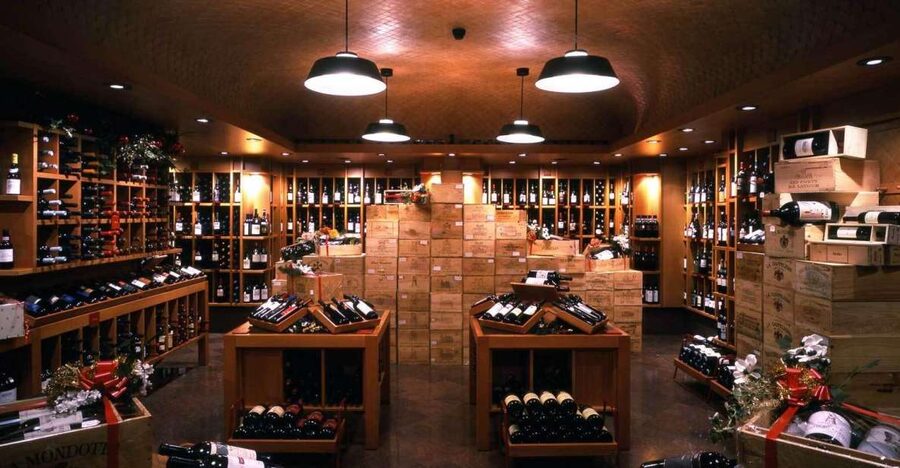
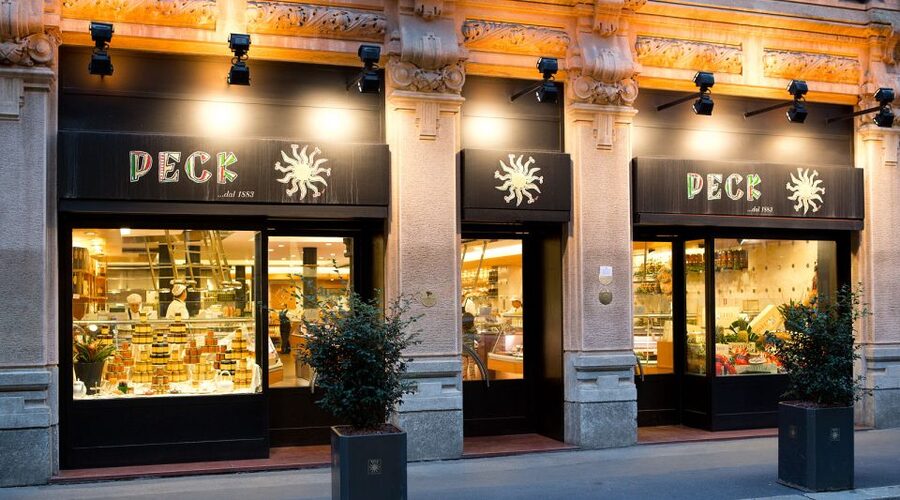
But if you’re a food-first eater, the value question gets trickier. If the tasting menu feels basic to you—especially compared with high-end Milan food halls and specialty stores—you might feel the price didn’t match the plate quality. That’s why I’d treat the food as the wildcard and the wine as the reliable anchor.
So the best-fit buyer is someone who:
- wants a guided Milan route with story stops
- enjoys wine tastings and pairing explanations
- is happy with tasting portions rather than an all-you-can-eat meal
Who This Tour Fits Best (and who should skip it)
This experience fits well if you want a guided taste of Milan in a short window. The mix of Duomo area walking, church visits, and then a wine-led tasting makes it a strong choice for couples and first-timers who like structure.
You’ll also like it if you enjoy:
- photo stops that come with explanation
- churches and architecture, including the unusual ones
- a tasting format with named wines
Skip or consider carefully if:
- you only care about food and hope for a heavy gourmet menu
- you get restless with too many church stops
- you’re expecting a long, free-form tasting buffet
In other words: if your main goal is wine and an efficient city-and-taste hit, this is a good match. If your main goal is big, varied food portions, go in with toned-down expectations.
Should You Book This Milan Food and Secrets Tour?
I’d book it if you’re excited by the combination of guided Milan sights and a seated wine tasting with Prosecco Valdobbiadene, Pinot Grigio, and Barbera D’Alba, plus limoncello to finish. The route also looks like a good way to see more of Milan than just the Duomo selfie zone.
I would hesitate if you’re a food-only traveler expecting a showy, multi-item feast. The wine seems like the high-confidence part, while the food can land more simply than you might want for the price.
If you love guided city walks and you’re happy to treat food as a tasting sampler, this tour is a fun, sensible way to spend three hours in Milan with something delicious at the end.
FAQ
How long is the Milan Food and Secrets Tour?
It runs for about 3 hours.
Where does the tour start and end?
It starts in front of the central door of the Duomo di Milano, and it ends back at the meeting point.
What’s included in the tour price?
You get a professional guide and food and wine tastings.
What wines are included in the tasting?
You’ll taste three glasses: Prosecco Valdobbiadene, Pinot Grigio, and Barbera D’Alba.
Is the tasting only seafood?
No. The plan includes salmon or prawns, and it also offers an option for people who do not eat fish (tartina with Italian patè and other specialties).
What should I bring?
Wear comfortable shoes and bring a camera.
What languages is the live guide available in?
The tour guide is available in English and Italian.
More Tours in Milan
More Tour Reviews in Milan

More Milan Highlights Tours


Fresh in our Milan notebook

Milan Sightseeing Tours, compared.
 ★ 4.0Milan’s Must See: Half-Day Tour of Last Supper, Duomo & La ScalaFrom $1304,193 reviews
 ★ 4.6From Milan: St. Moritz and Panoramic Bernina Express TourFrom $1881,723 reviews
 ★ 4.5Best of Milan Experience Including Da Vinci’s The Last Supper and Milan DuomoFrom $1141,516 reviews
 ★ 4.8Hidden Gems Guided Bike TourFrom $451,334 reviews
 ★ 5.0The Secrets to Learn Fresh Pasta and Tiramisù in a Glam HomeFrom $901,182 reviews
 ★ 5.0Milan’s Hidden Gems: Unique Bike Tour (ENG, NL)From $42970 reviews
 ★ 4.7Highlights and Hidden Gems E-Bike TourFrom $52558 reviews
 ★ 4.7Highlights and Hidden Gems Guided Bike TourFrom $44498 reviews
Browse the lists this tour appears in